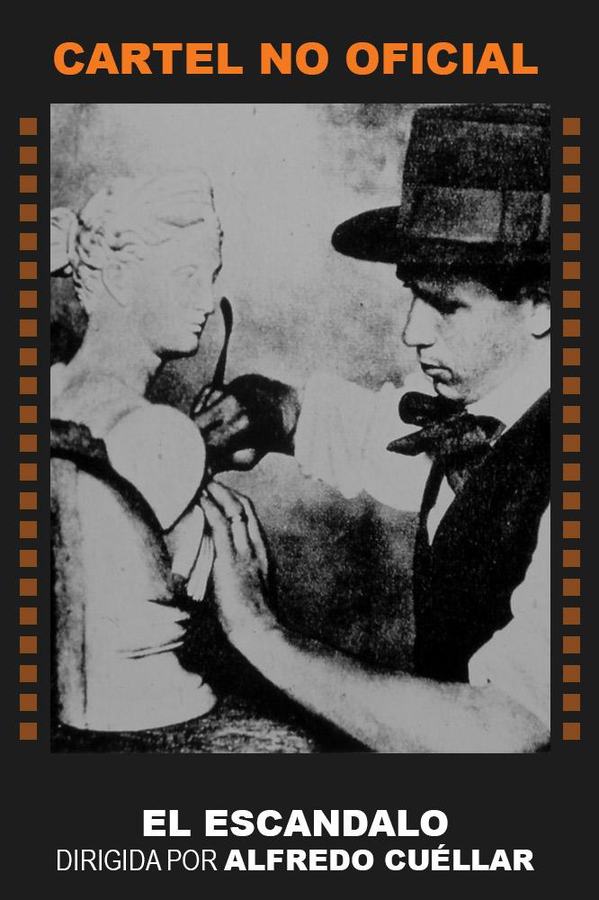
Velvet shadows, poisoned quills, and the soft rustle of taffeta: El escándalo is not merely watched—it is inhaled like opium smoke that refuses to leave the lungs. There is a moment—roughly at reel four—when the camera glides past a mirror so old its silvering has turned bruise-blue. In that mirror, Emilia Otaza’s f...
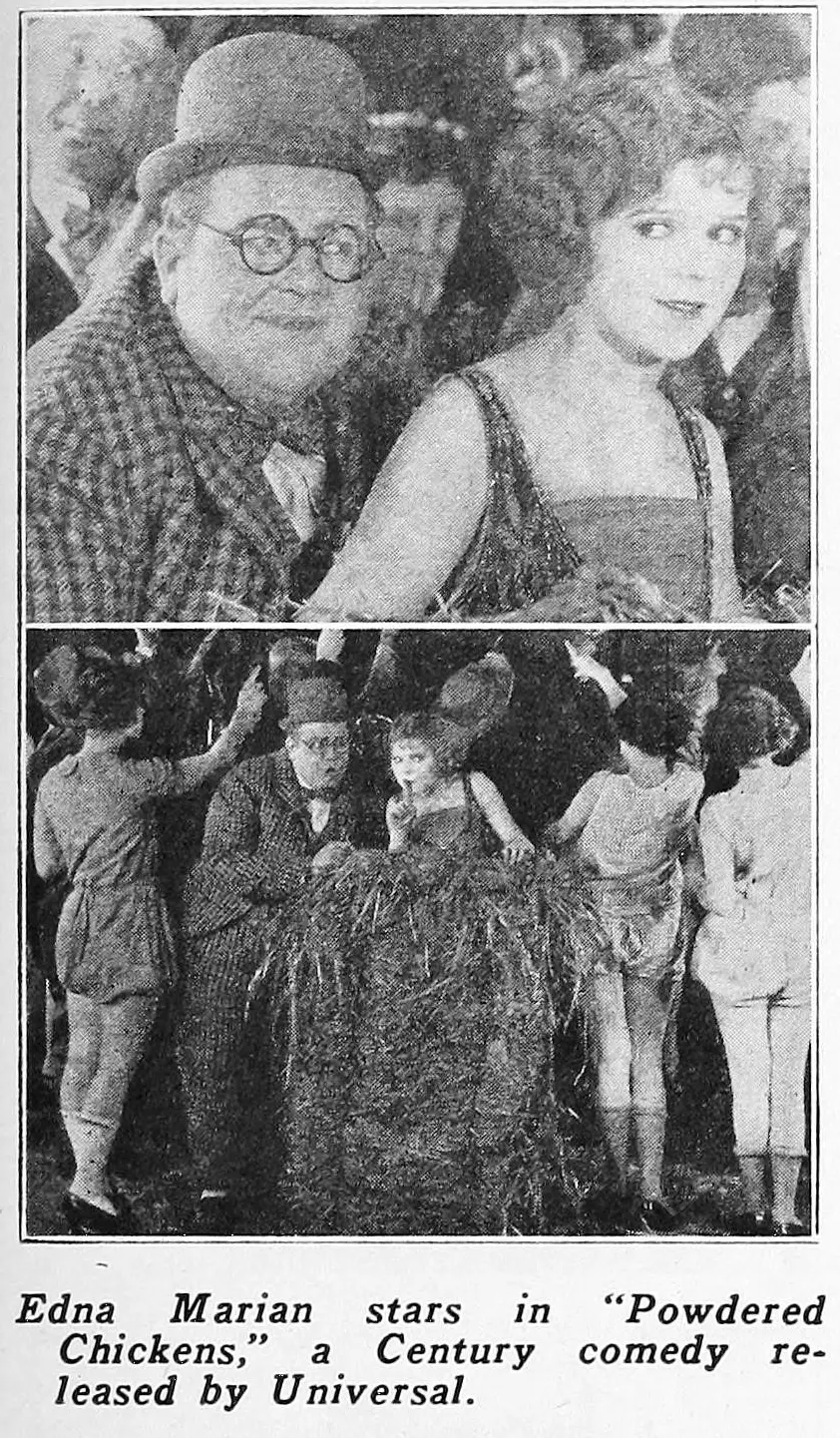
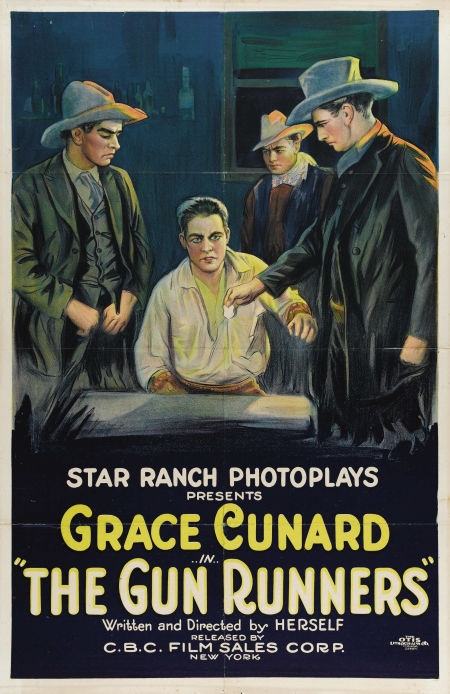
Comparing the cinematic DNA and archive impact of two defining moments in cult history.
Alfredo Baltazar Cuellar
Alexander Butler
Community
Log in to comment.
" Velvet shadows, poisoned quills, and the soft rustle of taffeta: El escándalo is not merely watched—it is inhaled like opium smoke that refuses to leave the lungs. There is a moment—roughly at reel four—when the camera glides past a mirror so old its silvering has turned bruise-blue. In that mirror, Emilia Otaza’s face fractures into three versions of itself: the woman she claims to be, the girl she once was, and the corpse she is racing to become. Most silent films ask you to read lips; this..."
Mexico
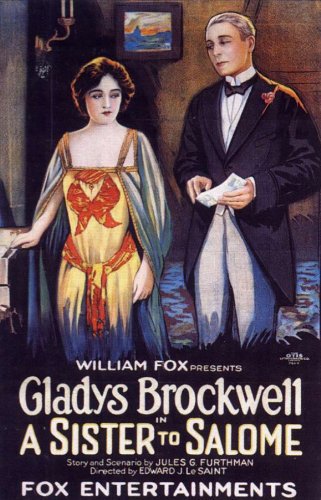
1920 · IMDb —
Edward LeSaint
Deep dive into the cult classic
Discover similar cinematic experiences
A Directorial Spotlight on Alfredo Baltazar Cuellar