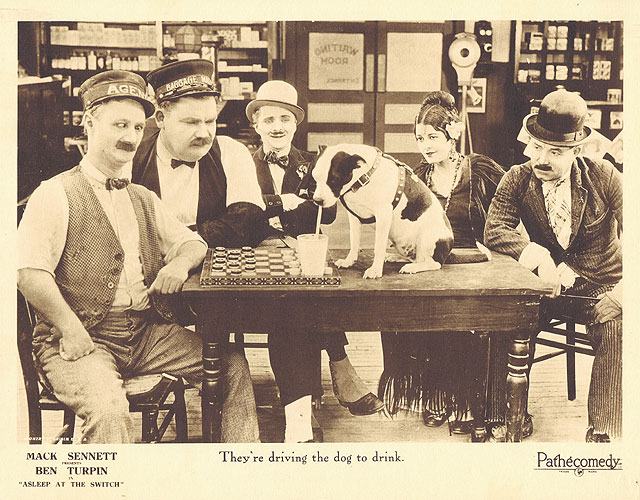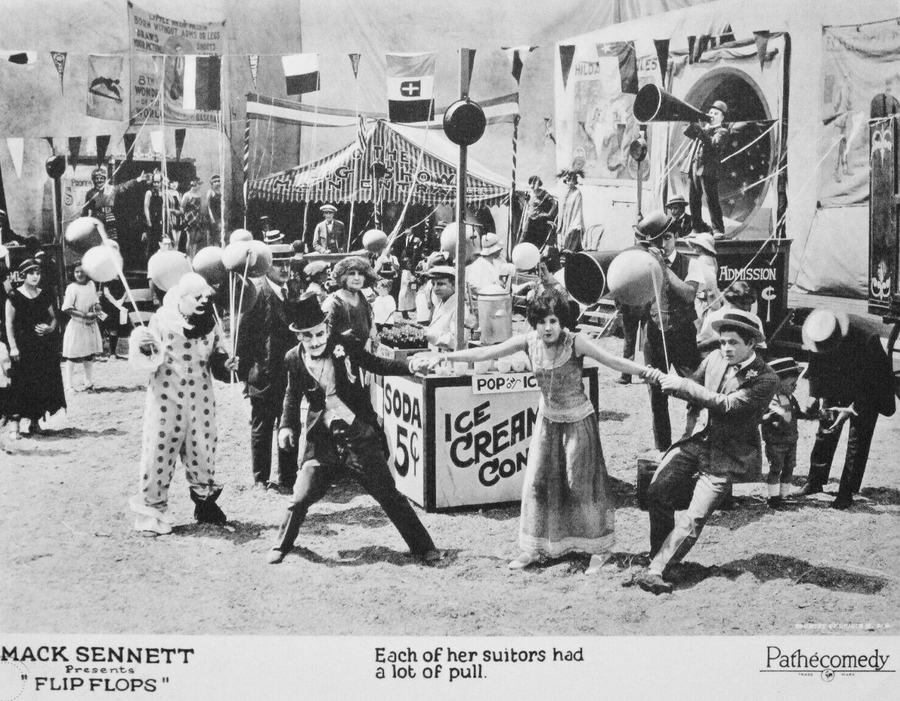
In the pantheon of silent cinema, the Mack Sennett 'Fun Factory' occupies a space of pure, unadulterated kineticism. Flip Flops (1923) arrives not as a somber reflection on the human condition, but as a vibrant, saltwater-sprayed celebration of the absurd. While the era was certainly capable of producing gravitas—see...
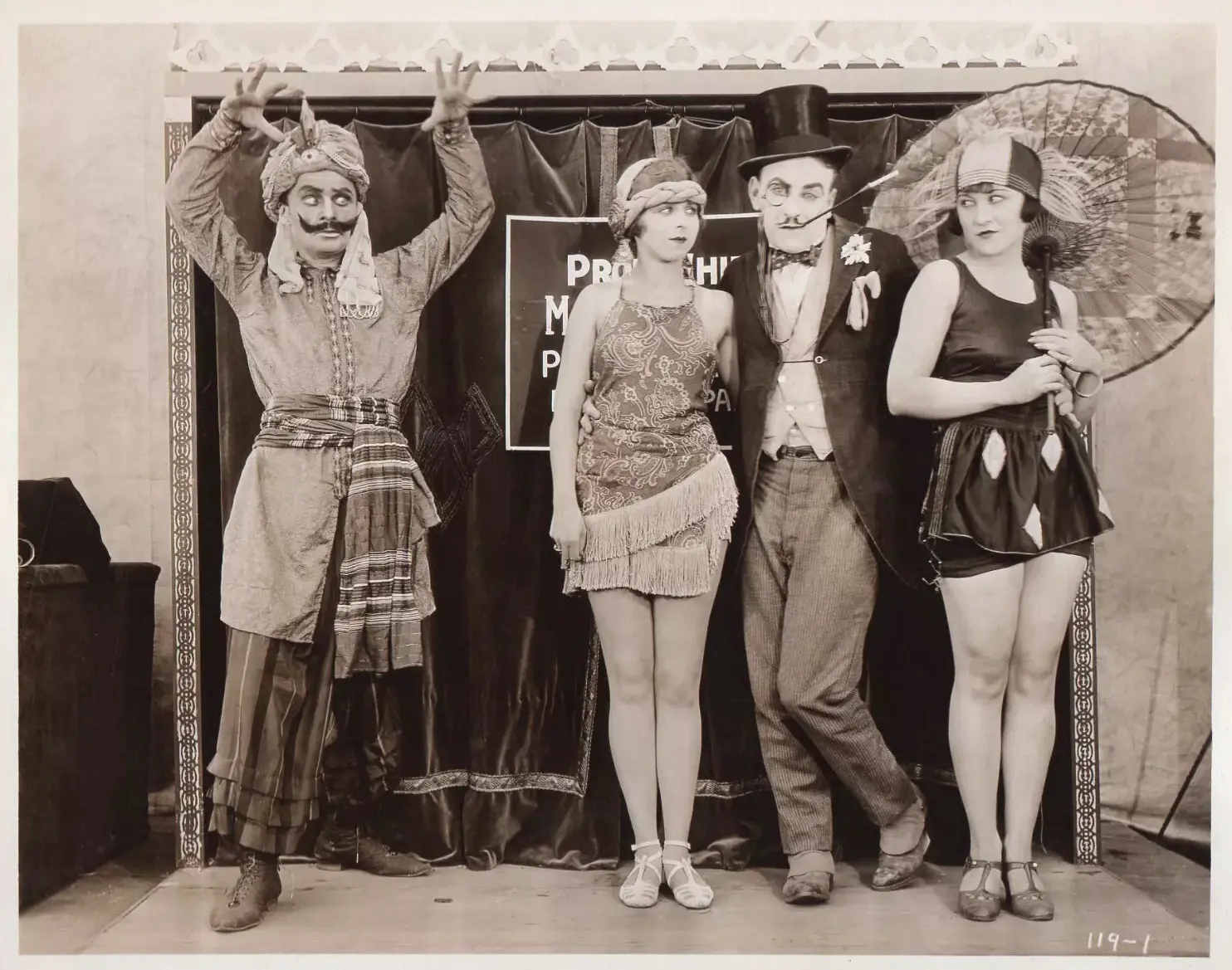
still_frame
Comparing the cinematic DNA and archive impact of two defining moments in cult history.
Roy Del Ruth

Richard Smith
Community
Log in to comment.
" In the pantheon of silent cinema, the Mack Sennett 'Fun Factory' occupies a space of pure, unadulterated kineticism. Flip Flops (1923) arrives not as a somber reflection on the human condition, but as a vibrant, saltwater-sprayed celebration of the absurd. While the era was certainly capable of producing gravitas—seen in the heavy thematic weight of films like The Path Forbidden—Sennett’s vision was always more preoccupied with the physics of a pratfall than the psychology of a protagonist. In..."
Mack Sennett, John A. Waldron
United States