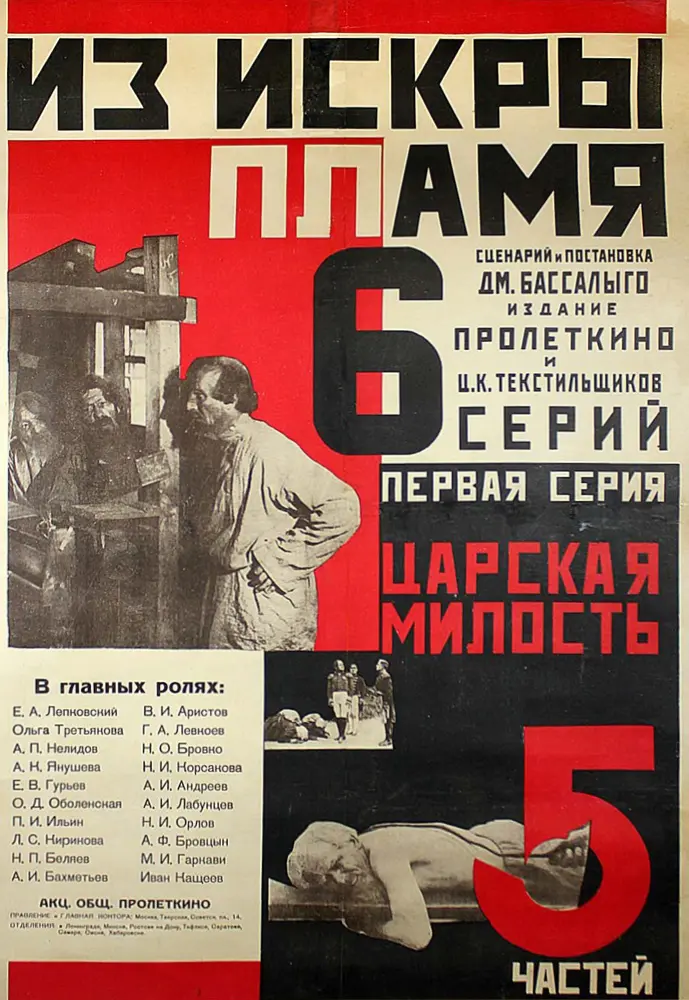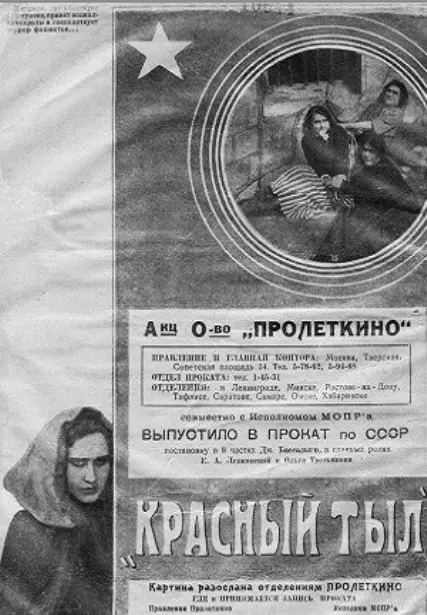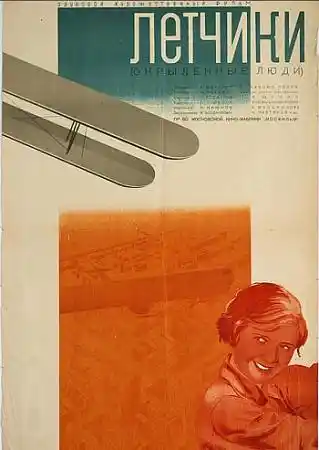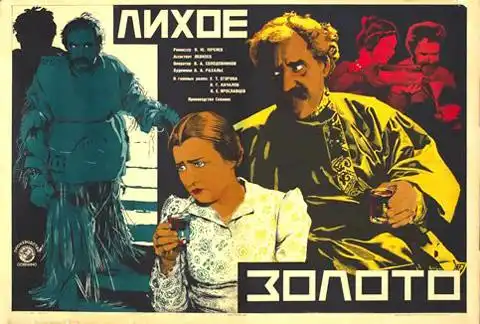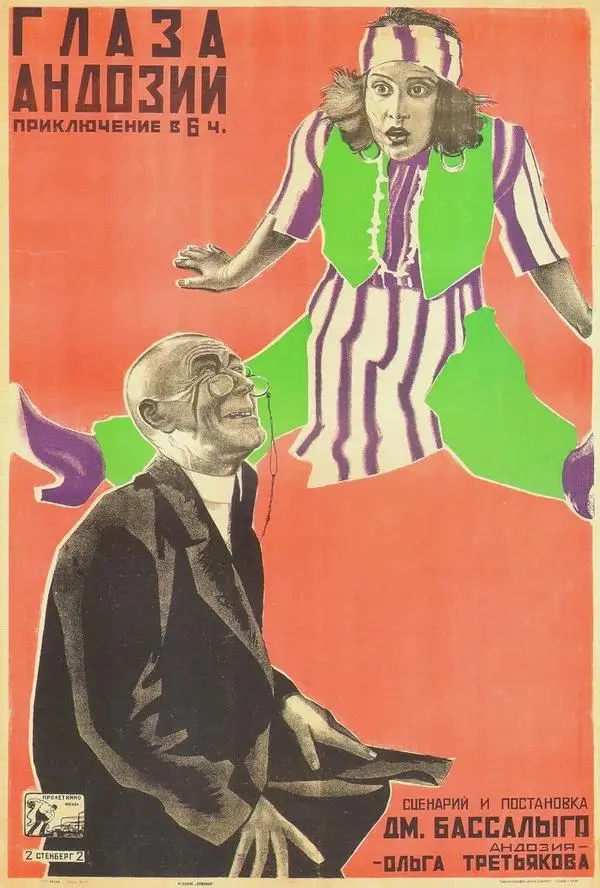
Is Glaza Andozii a lost masterpiece or a dusty relic of the Soviet silent era? Short answer: It is a fascinating visual experiment that prioritizes atmosphere over narrative clarity, making it essential only for history buffs and those obsessed with the evolution of the camera's eye. This film is for the viewer who fin...

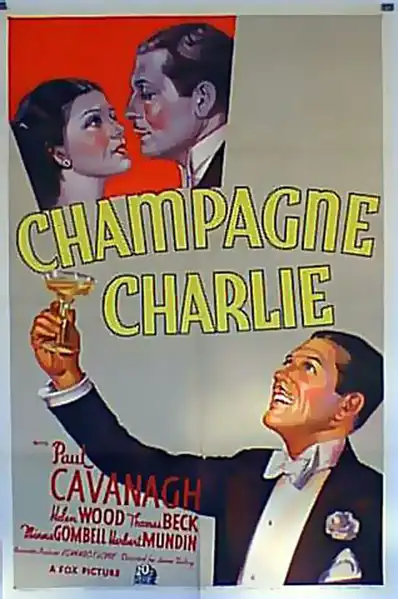
Comparing the cinematic DNA and archive impact of two defining moments in cult history.
Dmitri Bassalygo
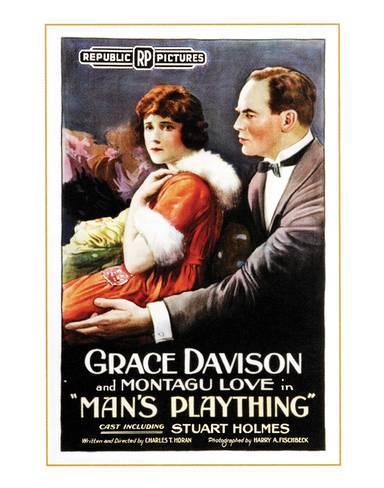
Charles Horan
Community
Log in to comment.
"Is Glaza Andozii a lost masterpiece or a dusty relic of the Soviet silent era? Short answer: It is a fascinating visual experiment that prioritizes atmosphere over narrative clarity, making it essential only for history buffs and those obsessed with the evolution of the camera's eye. This film is for the viewer who finds beauty in the flicker of 35mm grain and the stark geometry of 1920s set design; it is certainly not for anyone looking for the polished emotional beats of a modern drama or even..."
Dmitri Bassalygo
Soviet Union