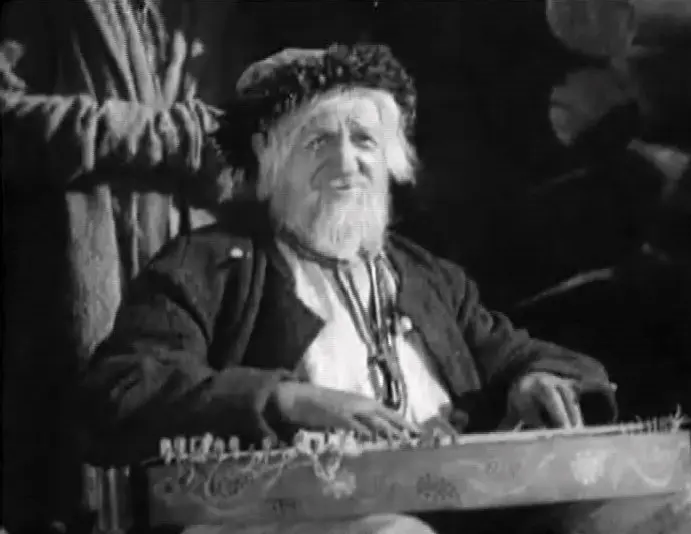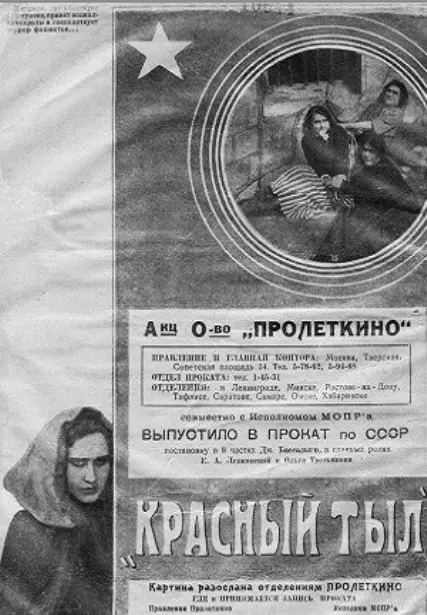
The Industrial Heartbeat of Revolution In the pantheon of early Soviet cinema, few works capture the raw, unvarnished anxiety of the post-revolutionary period with as much surgical precision as Krasnyy tyl (1924). While the international spotlight often lingers on the montage-heavy experiments of Eisenstein or the r...
Comparing the cinematic DNA and archive impact of two defining moments in cult history.
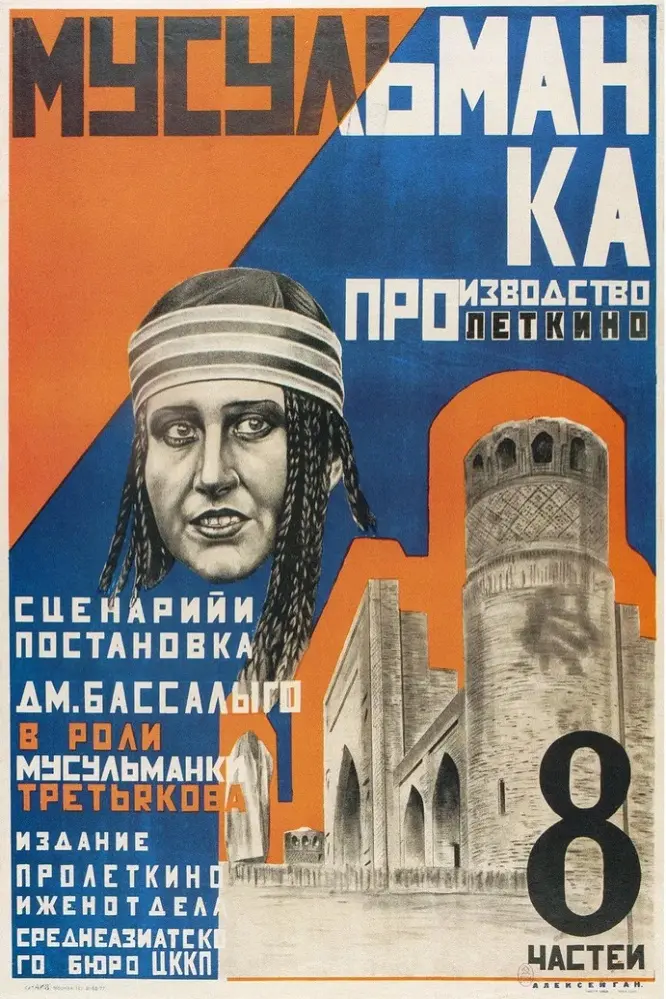
Dmitri Bassalygo
Victor Heerman
Community
Log in to comment.
" The Industrial Heartbeat of Revolution In the pantheon of early Soviet cinema, few works capture the raw, unvarnished anxiety of the post-revolutionary period with as much surgical precision as Krasnyy tyl (1924). While the international spotlight often lingers on the montage-heavy experiments of Eisenstein or the rhythmic symphonies of Vertov, Boris Bulatov’s work offers a more grounded, yet no less provocative, exploration of the societal psyche. This film is a stark reminder that the revol..."
Boris Bulatov
Soviet Union