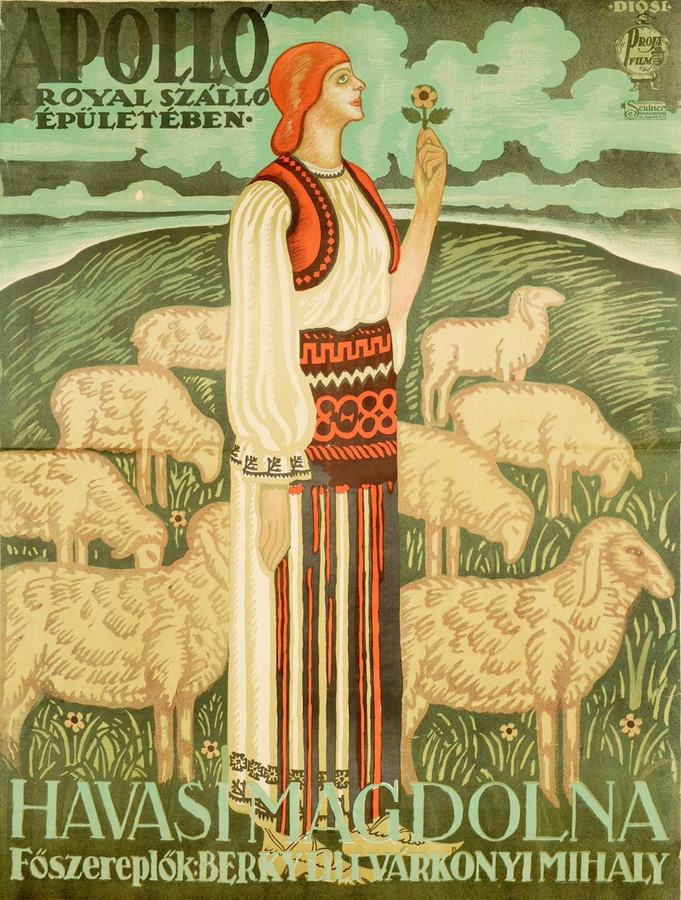
Stepping back in time to the nascent days of Hungarian cinema, one encounters a cinematic artifact of profound emotional resonance and societal critique: Jenö Janovics’s Havasi Magdolna. This film, a testament to the power of early silent storytelling, transcends its historical context to deliver a narrat...
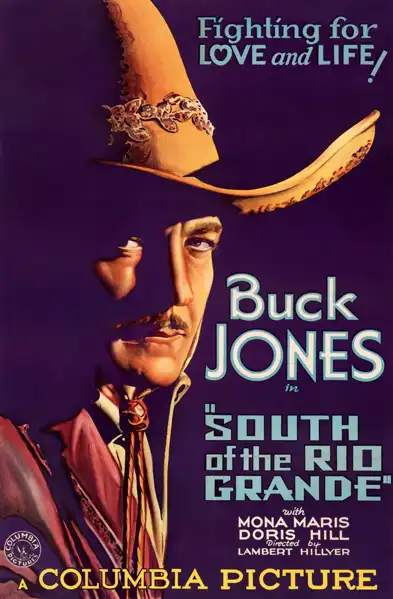

Comparing the cinematic DNA and archive impact of two defining moments in cult history.
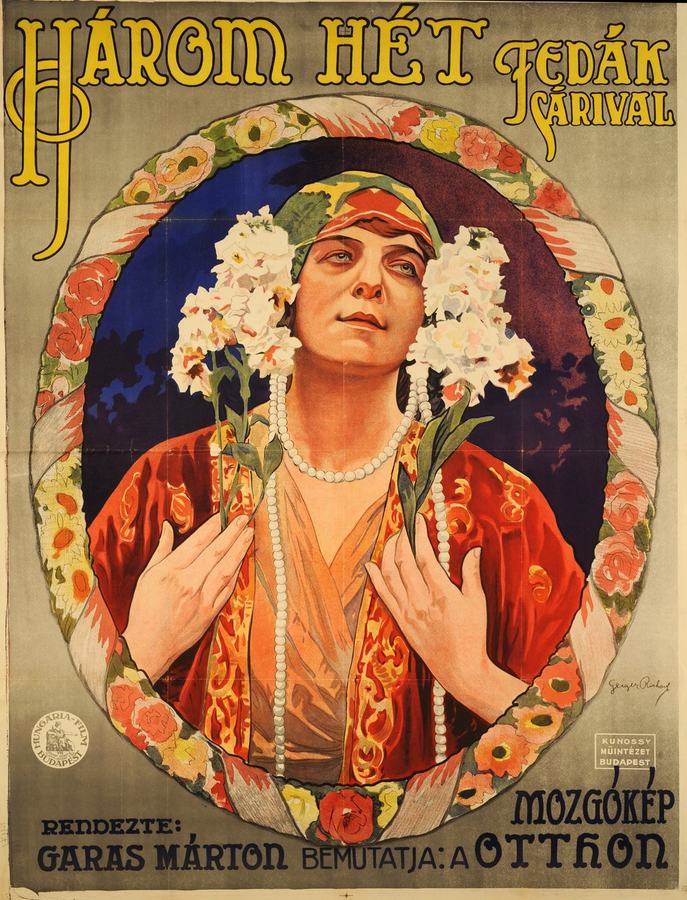
Márton Garas
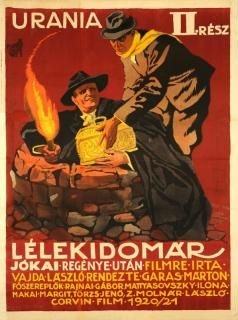
Márton Garas
Community
Log in to comment.
" Stepping back in time to the nascent days of Hungarian cinema, one encounters a cinematic artifact of profound emotional resonance and societal critique: Jenö Janovics’s Havasi Magdolna. This film, a testament to the power of early silent storytelling, transcends its historical context to deliver a narrative that remains remarkably potent even today. It’s a journey into the heart of human resilience, a searing indictment of class hypocrisy, and a beautifully rendered portrait of a ..."


Deep dive into the cult classic
Discover similar cinematic experiences
A Directorial Spotlight on Márton Garas