
DbcultAccessing Vault...
Recommendations
Senior Film Conservator
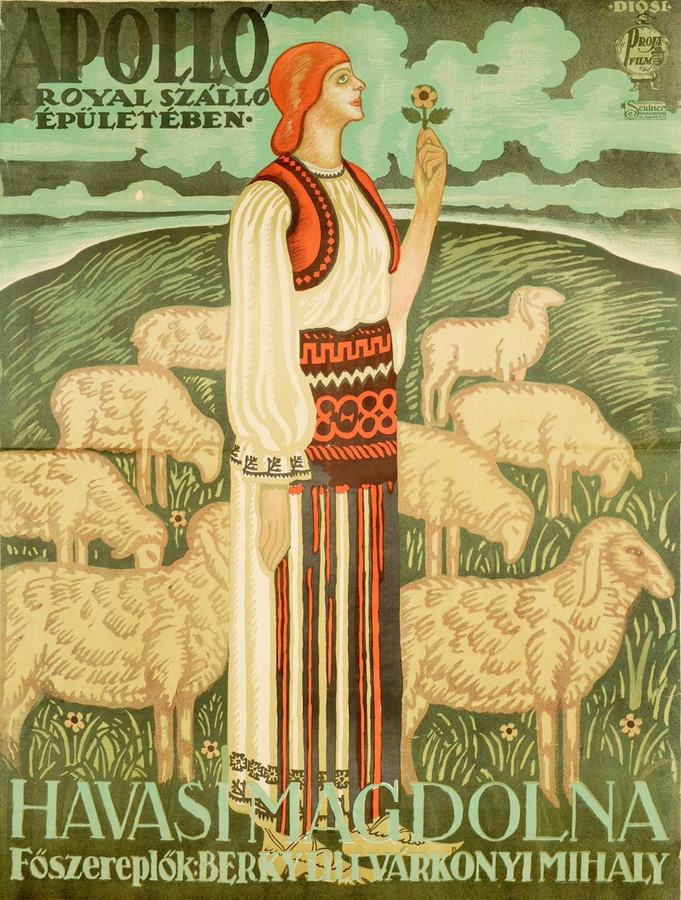
The cinematic DNA of Havasi Magdolna (1916) is truly one of a kind, finding other movies that capture that same lightning in a bottle is a top priority. We have meticulously scanned our vault to find hidden gems that resonate with this work.
As a pivotal work in Hungary cinema, Havasi Magdolna to challenge the status quo through its avant-garde structure.
Critics widely regard Havasi Magdolna as a cult-favorite piece of cult cinema. Its unique vision is frequently cited as its strongest asset, solidifying its place in Hungary's film legacy.
Based on the unique unique vision of Havasi Magdolna, our vault has identified these titles as the most compelling follow-up experiences for fans of cult cinema:
Dir: Márton Garas
A fascinating piece of cinema that shares thematic elements.
View Details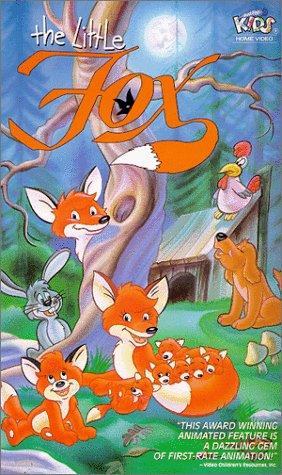
Dir: Márton Garas
A fascinating piece of cinema that shares thematic elements.
View Details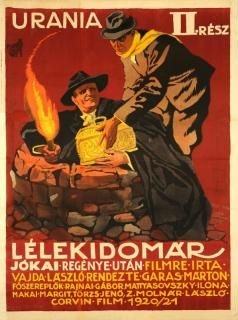
Dir: Márton Garas
A fascinating piece of cinema that shares thematic elements.
View Details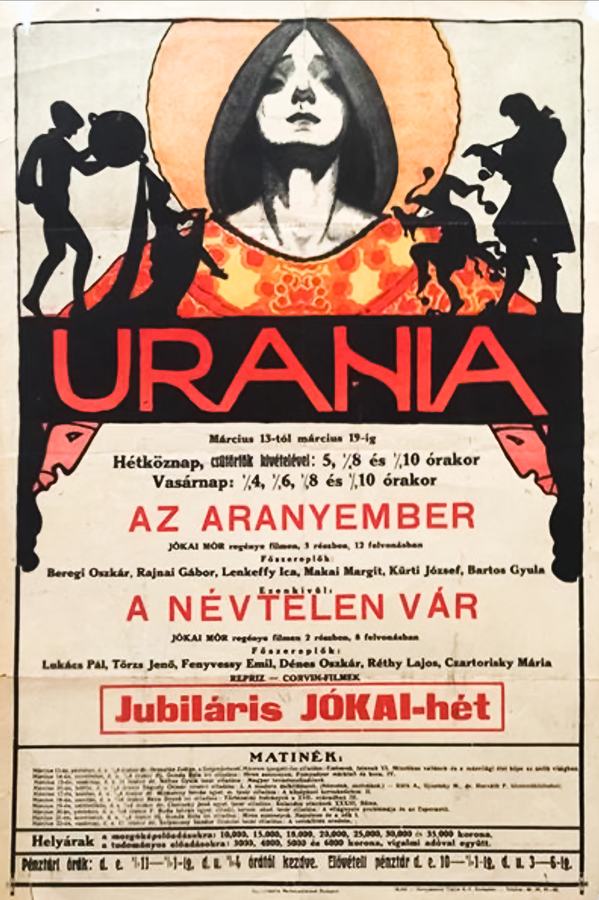
Dir: Márton Garas
A fascinating piece of cinema that shares thematic elements.
View Details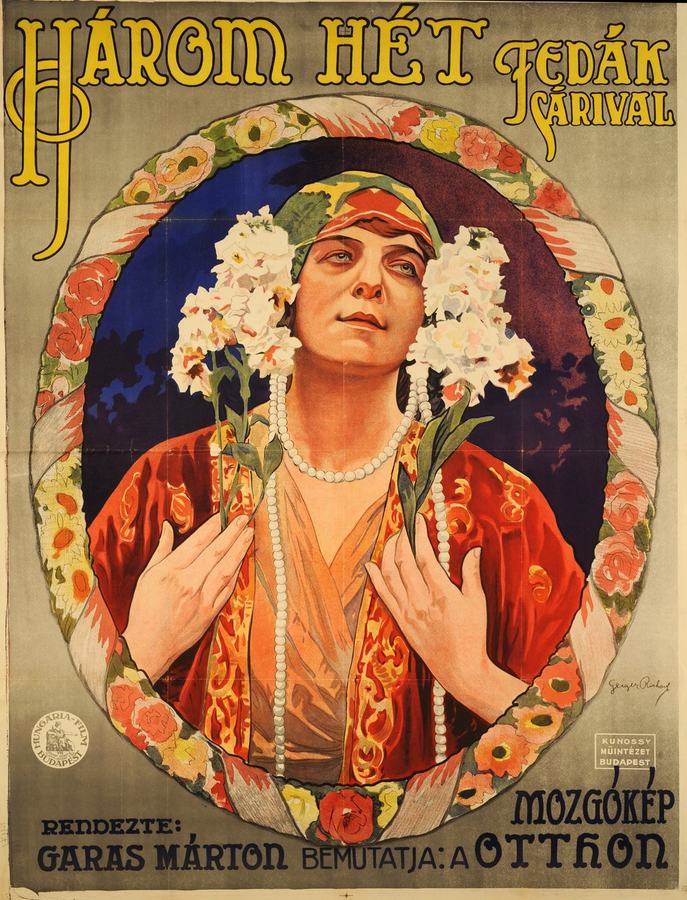
Dir: Márton Garas
A fascinating piece of cinema that shares thematic elements.
View Details
Dir: Márton Garas
A fascinating piece of cinema that shares thematic elements.
View Details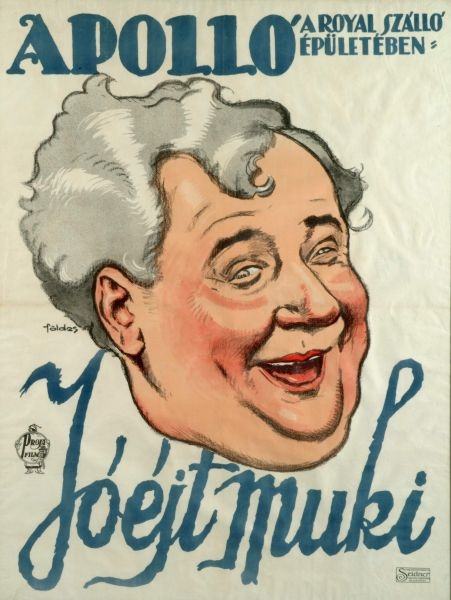
Dir: Márton Garas
A fascinating piece of cinema that shares thematic elements.
View Details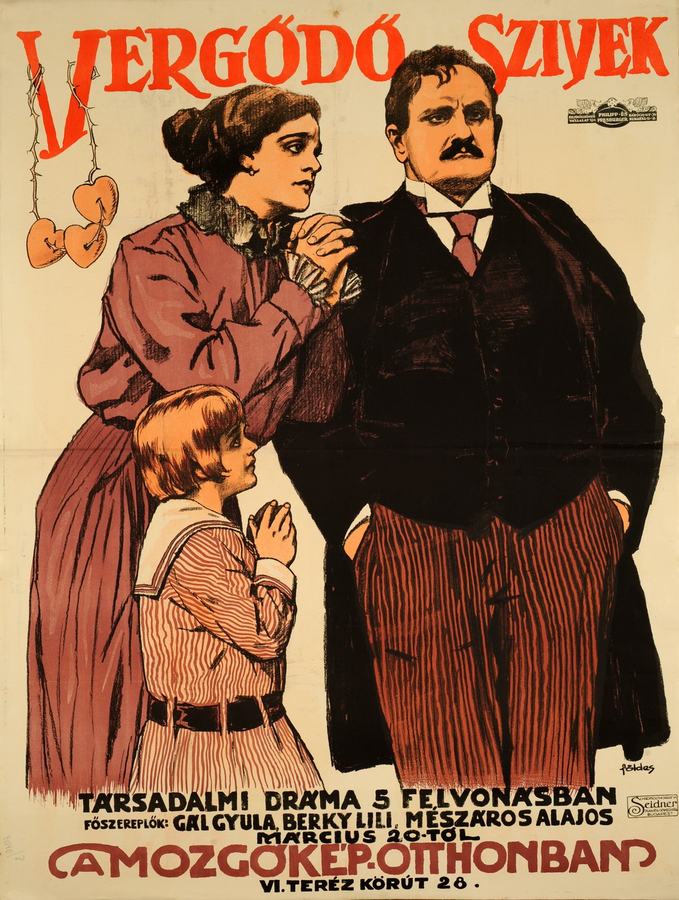
Dir: Márton Garas
Keller, the hard-drinking accountant at the Garlathy works, is embezzling. The director will send him to prison unless he gives him his daughter as his wife. But his daughter, Jolán, loves the young engineer Bánky. The father reveals his hopeless situation to the young man and persuades him to break up with his daughter. Jolán lives in an unhappy marriage with Garlathy. The real reason for Bánky's breakup is revealed when his father dies. At that time, Garlathy wants to send his rival to prison with trumped-up charges, but Jolán's confession saves him.
View Details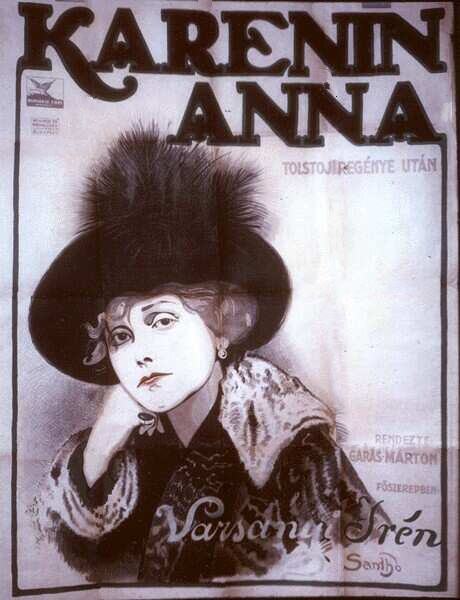
Dir: Márton Garas
Mail author for translation. A halhatatlan mûvészi alkotások úgy vonzzák a mûélvezõket, mint a boldog találkozások színhelye a szerelmeseket; több- ször is visszatérnek hozzá. Tolsztoj gyönyörû regénye, a Karenina Anna is ezek közé a mûvek közé tartozik - csak film idáig tíz készült belõle. A regénynek világszerte leg- ismertebb változata 1936-ból való. Fõszereplõje Greta Garbo. Az 1948-as Karenina Anna, Julien Duvivier munkája az eddigi legjobb megfilmesítés. Némafilm viszont egy készült szerte a világon, amely Annát úgy ábrázolja, mint a regény: a sze- relmet sóvárgó asszony alakját teátrális eszközökkel mu- tatja be, aki felnagyított társadalmi konvenciók közt él, s az elõírt és elvárt szabályokat nem igazán tûri. Ter- mészetes meleg érzésekkel közeledik közvetlen környeze- téhez, hiszen éppen ezek az érzések hordozzák magukban a konvenciók, a képmutatás elleni lázadás lehetõségét.
View Details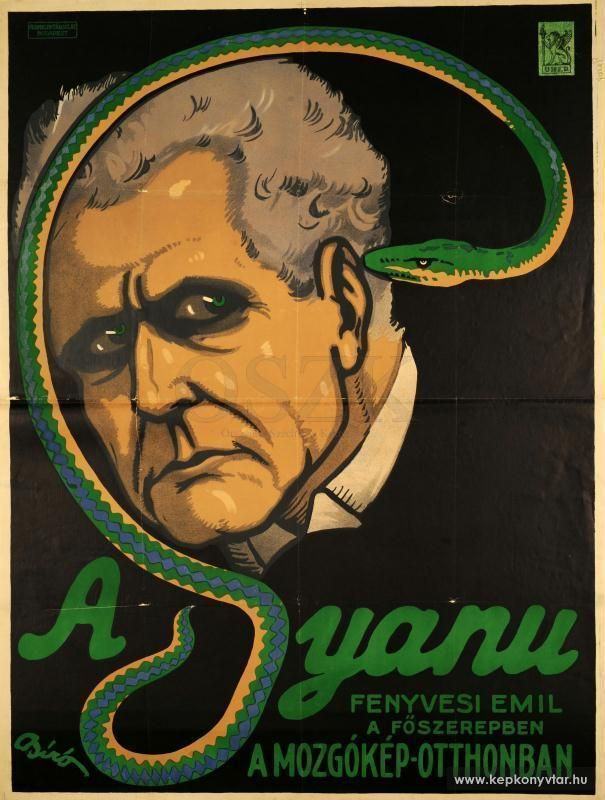
Dir: Márton Garas
A fascinating piece of cinema that shares thematic elements.
View DetailsAnalysis relative to Havasi Magdolna
| Film Title | Atmosphere | Complexity | Similarity |
|---|---|---|---|
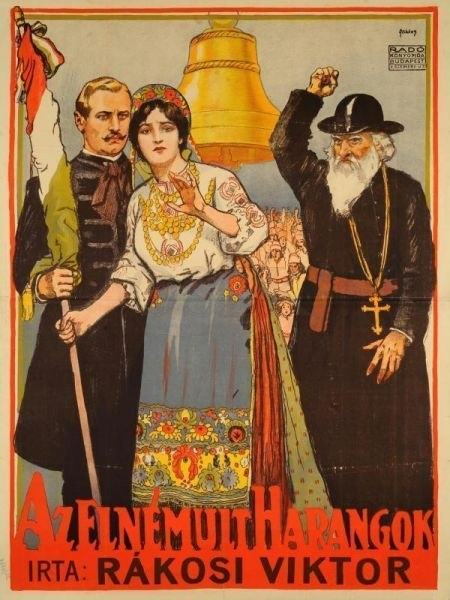
| Elnémult harangok | Surreal | Layered | 92% Match |
| Little Fox | Tense | High | 90% Match |
| A lélekidomár | Surreal | High | 95% Match |
| Névtelen vár | Gothic | High | 85% Match |
| Három hét | Gritty | Linear | 91% Match |
This guide was algorithmically generated using the cinematic metadata of Márton Garas's archive. Last updated: 6/27/2026.
Back to Havasi Magdolna Details →