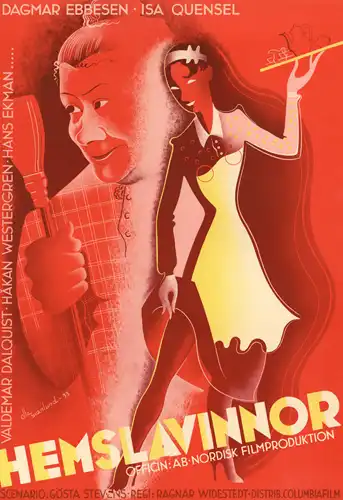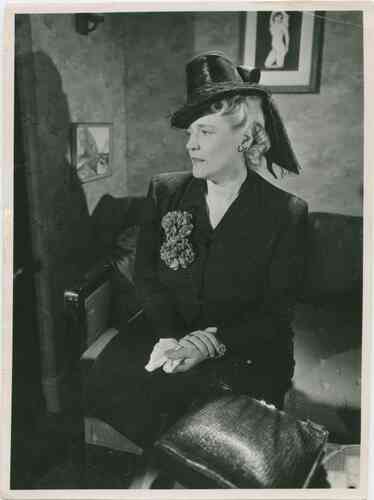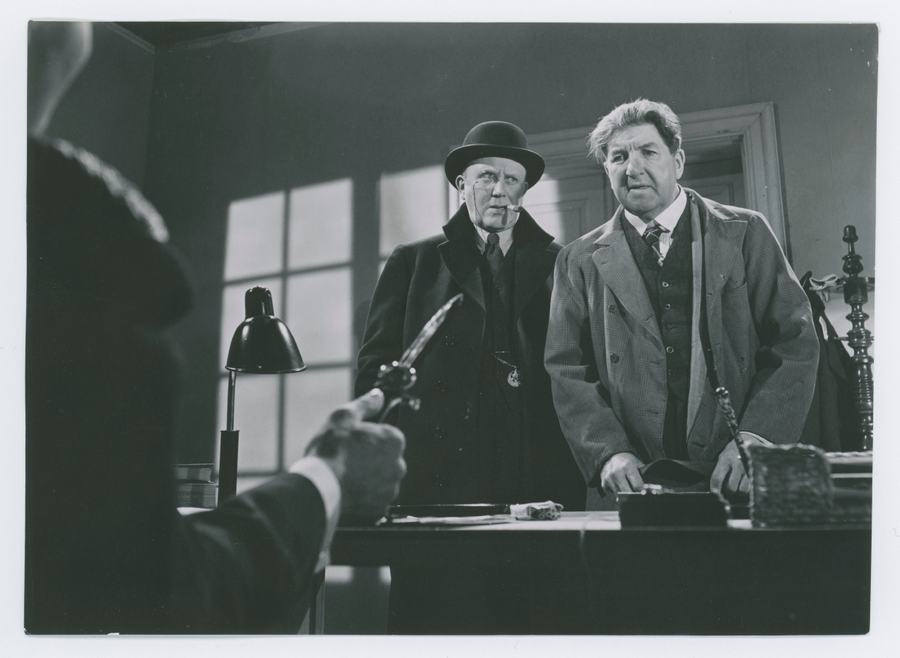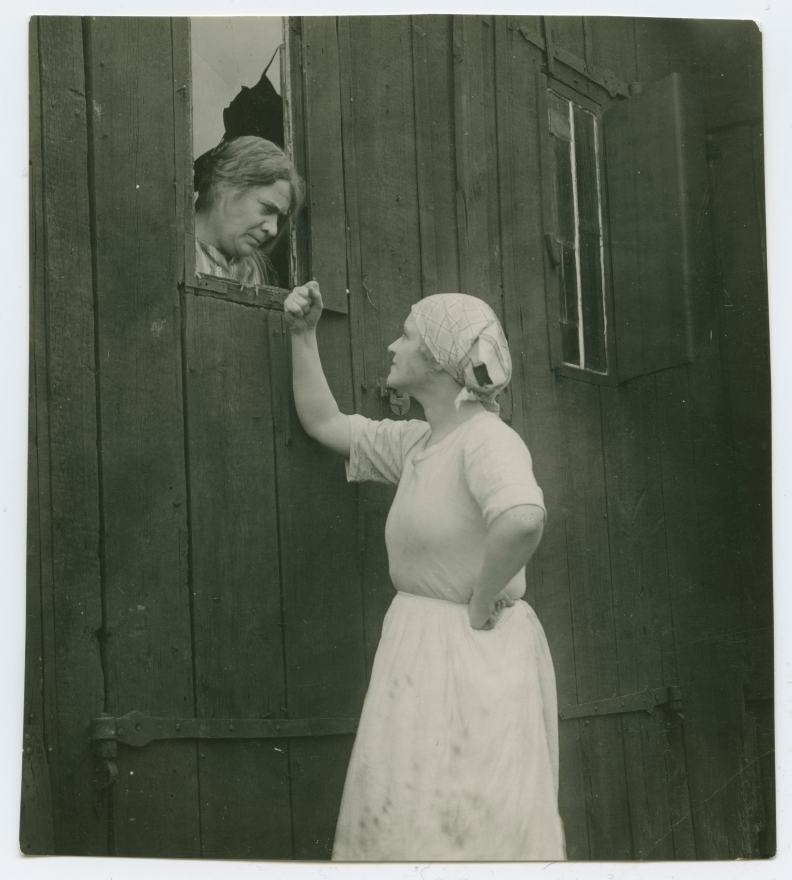
Grethe decides to go the big city to find a job as a domestic help..

A Glimpse Into the Narrative Fabric The opening tableau of Hemslavinnor establishes a visual dichotomy: the austere, snow‑laden fields of rural Sweden juxtaposed against the incandescent glow of Stockholm’s streetlamps. This contrast is not merely aesthetic; it foreshadows Grethe’s internal conflict between the co...
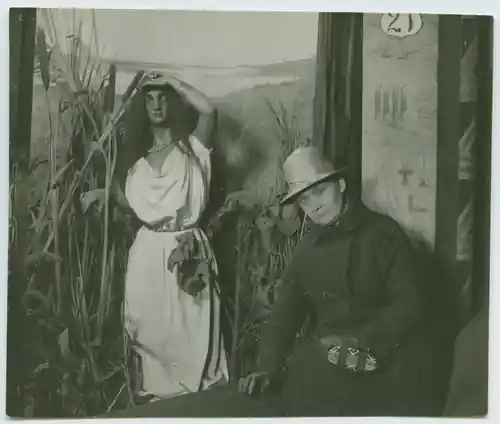
still_frame
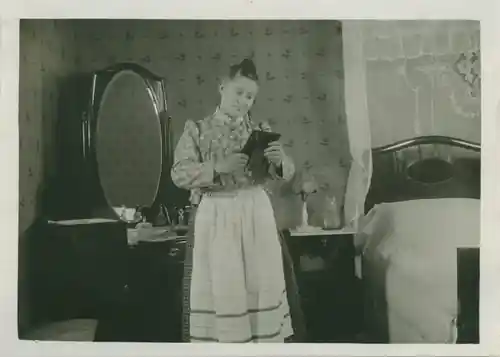
still_frame
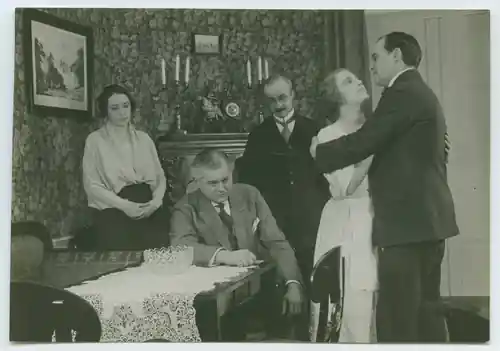
still_frame
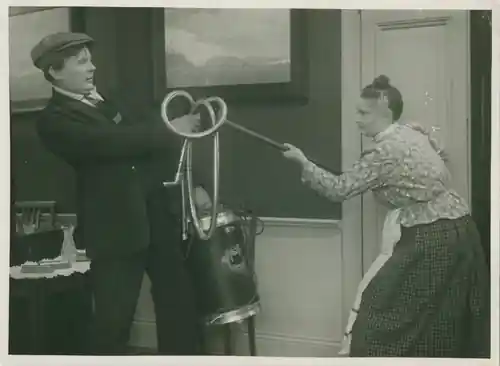
still_frame
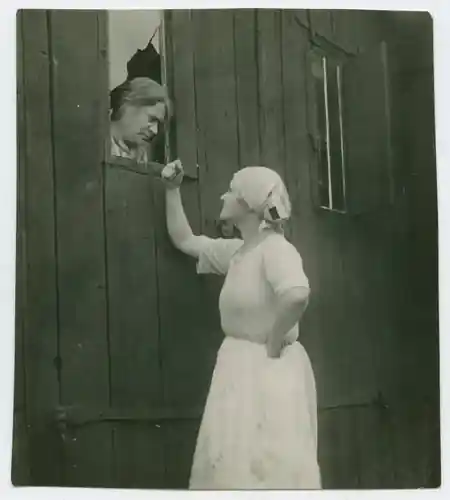
still_frame
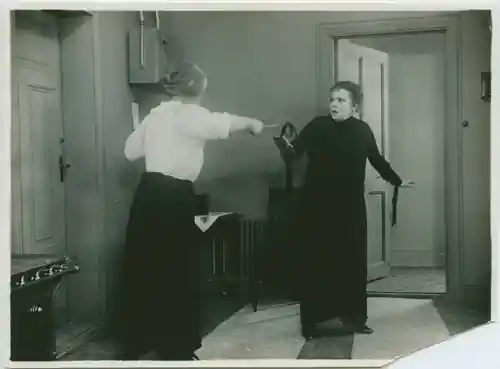
still_frame
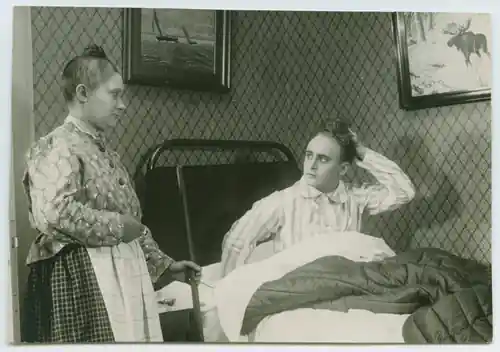
still_frame
Comparing the cinematic DNA and archive impact of two defining moments in cult history.
Ragnar Widestedt
Richard Smith
Community
Log in to comment.
" A Glimpse Into the Narrative Fabric The opening tableau of Hemslavinnor establishes a visual dichotomy: the austere, snow‑laden fields of rural Sweden juxtaposed against the incandescent glow of Stockholm’s streetlamps. This contrast is not merely aesthetic; it foreshadows Grethe’s internal conflict between the comforting familiarity of home and the intoxicating allure of urban anonymity. The film’s deliberate pacing allows the audience to inhabit Grethe’s uncertainty, rendering her eventua..."
Karl Hellgren
Ragnar Hyltén-Cavallius, Sam Ask, Axel Frische, Christian Bogø
Sweden
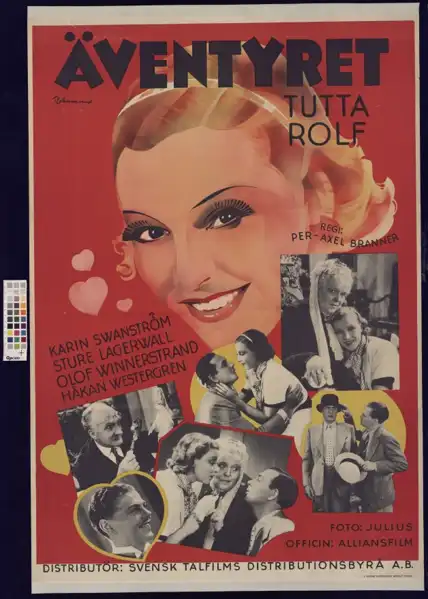
1936 · IMDb —