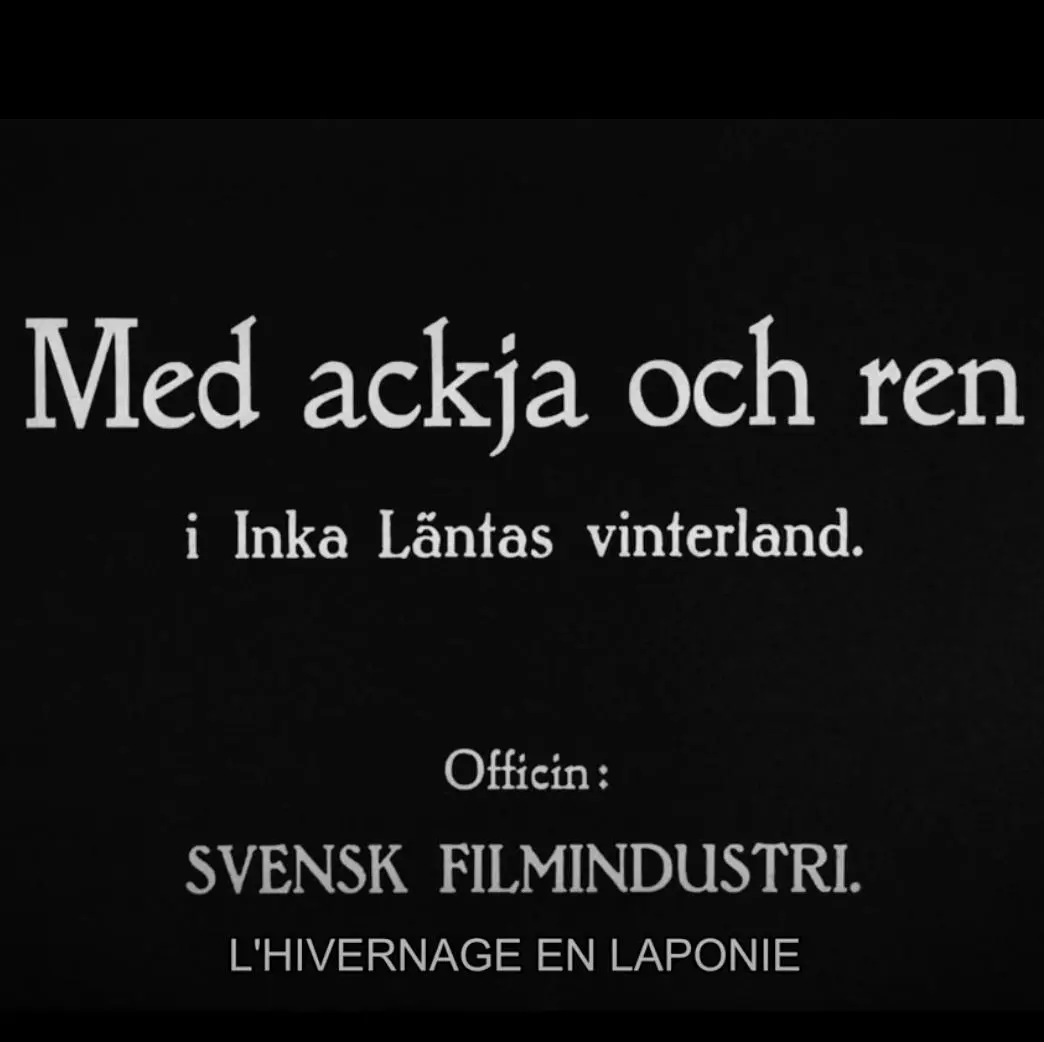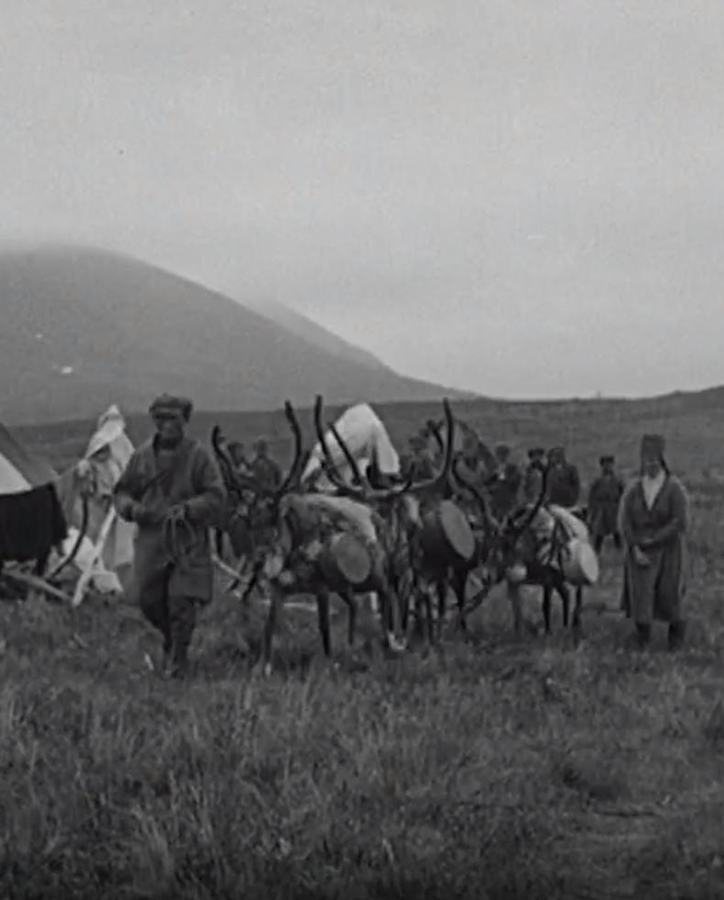
The course of events revolves around the young sámi girl Inka Länta, including depictions of life in the goahti, tending the reindeers, goat milking, baking, weaving, and education in the nomad school..
Olof Norrman
Sweden
A Glimpse into the Soul of Sápmi: Revisiting 'I fjällfolkets land: Dagar i Lappland' In the annals of early cinema, where the medium was still grappling with its identity – oscillating between theatrical spectacle and nascent documentary – there emerged a work of profound, understated power: I fjällfo...
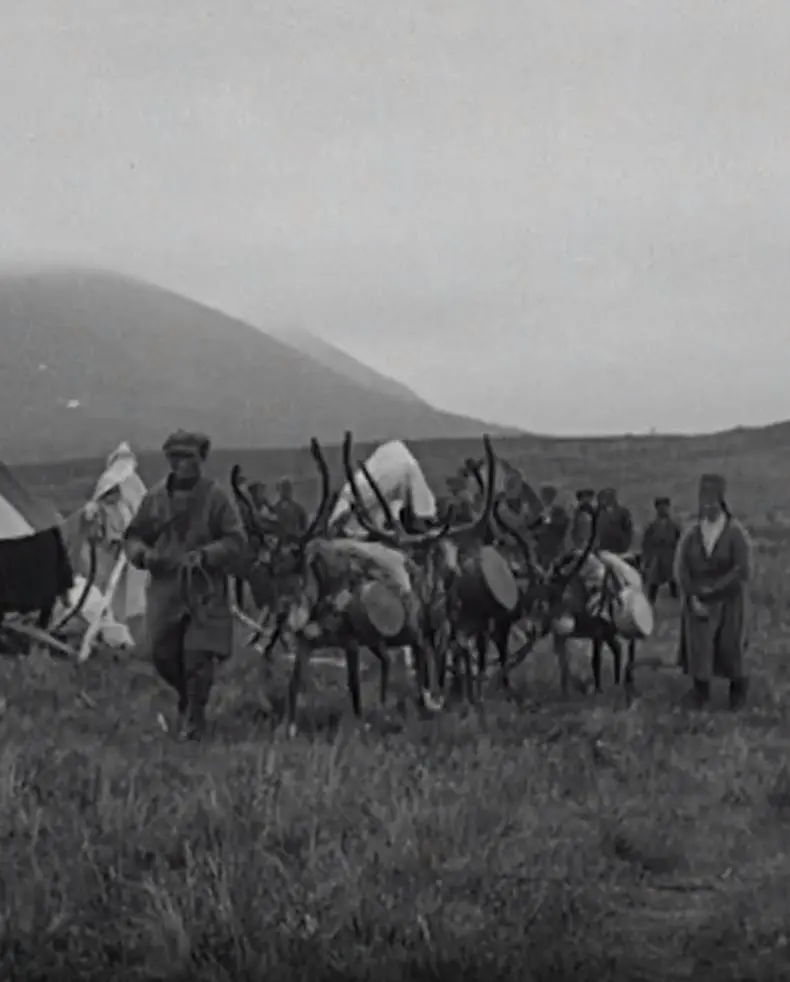
still_frame
Comparing the cinematic DNA and archive impact of two defining moments in cult history.
Erik Bergström

Anthony Young
Community
Log in to comment.
" A Glimpse into the Soul of Sápmi: Revisiting 'I fjällfolkets land: Dagar i Lappland' In the annals of early cinema, where the medium was still grappling with its identity – oscillating between theatrical spectacle and nascent documentary – there emerged a work of profound, understated power: I fjällfolkets land: Dagar i Lappland. This isn't just a film; it's a meticulously preserved ethnographic artifact, an invaluable window into a way of life that, even a century ago, was und..."
1920 · IMDb 4.9
Unknown Director


Deep dive into the cult classic
Discover similar cinematic experiences
A Directorial Spotlight on Erik Bergström