DbcultAccessing Vault...
Cult Review
Senior Film Conservator
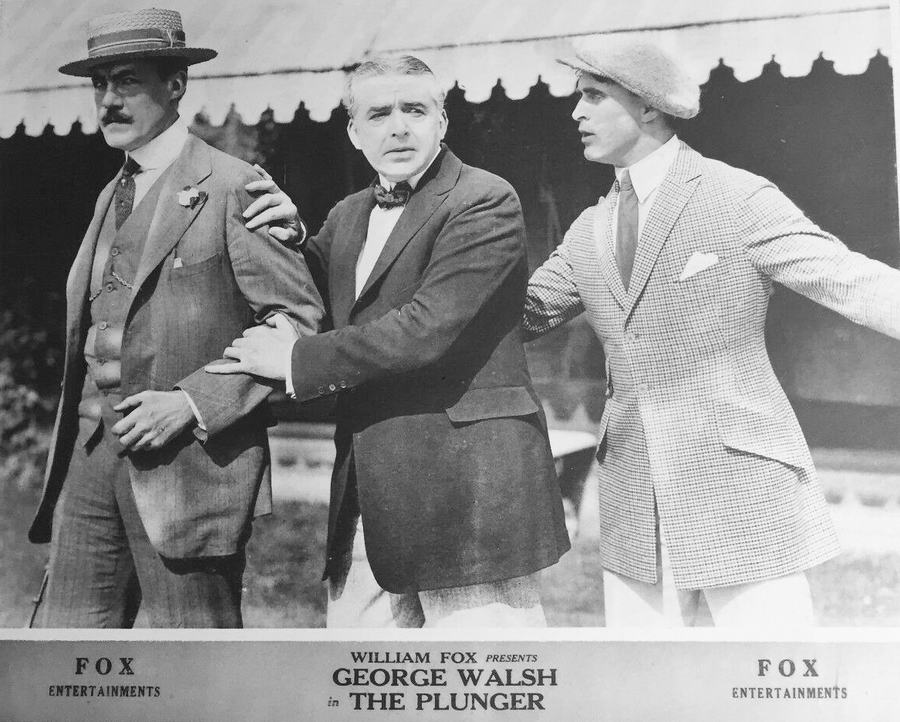
Thomas F. Fallon’s The Plunger is less a moralistic ledger of Roaring-Twenties speculation than a fever dream soaked in ticker-tape and gaslight, where fortunes rise faster than champagne bubbles and consciences pop just as easily.
From the first iris-in on Manhattan’s canyon walls, cinematographer Jules Cronjager bathes the frames in chiaroscuro worthy of a Rembrandt stock certificate. The camera glides past ticker machines that clack like mechanical cicadas, then lingers on Edward Boulden’s Schuyler—eyes glittering with the metallic hunger of someone who has tasted linotype ink and now craves molten gold. His performance is calibrated at the intersection of boyish charm and shark-toothed ambition; a slight tilt of his fedora telegraphs both seduction and hostile takeover.
Virginia Valli’s Alice Houghton could have been written as mere collateral damage in a masculine game of bluff and bluster, yet she wields silence like a stiletto.
In the scene where she first confronts Schuyler among packing crates stamped “SOLD,” Valli lets her silk-gloved fingers graze a family portrait, then snaps her gaze toward the intruder with such kinetic contempt that the intertitle card almost feels redundant. It is a masterclass in micro-acting, proving that the eyes—even in black-and-white—can scream in Technicolor.
Byron Douglas’s John Houghton exudes patrician exhaustion; the slump of his dinner-jacketed shoulders hints at nights spent tallying blackmail sums by candle. Douglas never overplays the melodramatic guilt, instead allowing the character’s breathless paranoia to seep through trembling cigarette ash. Opposite him, Robert Vivian’s Yates is a cobra in white spats, every smile a venomous promise. Watch how Vivian leans into a doorway, half his face swallowed by shadow: the blocking alone foreshadows that he is both revealer and concealer of sins.
Fallon repeatedly traps characters within architectural geometry. Doorframes, banister spindles, and window muntins segment the screen into moral prisons. When Schuyler strides across the Houghton ballroom to claim his “purchase,” the camera shoots him through the carved balustrade—iron bars of affluence. Later, Alice and Schuyler share a conservatory scene where potted palms eclipse their faces, suggesting that even Eden can sprout thorns of distrust. These flourishes evoke the same urban-labyrinth claustrophobia found in Storstadsfaror, though Stockholm’s chill is here replaced by New York’s sulfurous glow.
Original 1920 screenings boasted a live score stitched from Mendelssohn and jazzy foxtrot riffs—an audacious cocktail now lost to time. Yet even viewing the picture today with a modern piano track reveals how Fallon times scene rhythms to musical downbeats. The climactic unmasking of Yates syncs with a percussive crescendo, each chord a punch to the solar plexus. Compare this deliberate audio-visual handshake to the Wagnerian undertow of A Man There Was; both films weaponize score as character.
Fallon’s screenplay slyly interrogates patriarchal transaction. Alice’s literal hand in marriage is initially denied by her father to an employee; later, the entire estate—and by extension Alice—passes to Schuyler through a sales contract. The film critiques commodification while almost succumbing to it: the final marital kiss seals a merger more than a union. Yet Alice’s earlier refusal to flee with Yates, and her ultimatum to Schuyler—“Clean the ledger of lies, or never touch my hand”—reclaims agency. The resolution may be conventionally heteronormative, but the path is littered with enough feminist shrapnel to keep post-screening salons arguing.
Where May Day Parade frolics through pastoral innocence and Officer 666 leans into slapstick espionage, The Plunger occupies the shadowed alley between them—melodrama yes, but electrified by urban anxiety. Its treatment of false murder guilt parallels Out of the Night, yet Fallon prefers boardroom brinkmanship to noirish fog. Meanwhile, the upward-mobility mythos ricochets forward to pre-code gems like Fool’s Gold, where gold-digging and virtue swap masks nightly.
Surviving prints languished for decades in a Czech archive, mislabeled as High Finance (a 1921 short). A 2019 4K restoration by EYE Filmmuseum salvaged roughly 85% of the original runtime; missing passages are bridged via tasteful still-card synopses tinted sea-blue. The blu-ray from Retro reels pairs the film with an audio essay by historian Janet Bergstrom, whose commentary unearths production memos that reveal Fallon’s insistence on practical chandeliers—real wax candles—to capture flicker authentic enough to “make audiences smell scorched money.” Streaming options remain scant; occasional appearances on Criterion Channel’s silent sidebar are your best bet, though regional restrictions apply.
Is The Plunger a rediscovered masterpiece? Not quite. Its third act pivots on a deus-ex-machina confession that strains credulity harder than a broker’s margin loan. Some intertitles sink into stilted verbosity (“The ledger of destiny…”), and comic-relief footman bits with Irving Brooks land with the thud of a rusted bell. Yet the film’s cocktail of fiscal adrenaline and gothic dread feels eerily au courant—watch it after a day of crypto-crash headlines, and Yates’s blackmail notes could be replaced by phishing emails without a hiccup.
Ultimately, The Plunger endures because it understands that every fortune is a ghost story—assets merely the visible tip of submerged guilt. Fallon’s camera keeps diving, inviting us to hold our breath alongside characters who no longer know where the surface lies. When the end card finally fades, you may find yourself counting your own moral solvency, wondering who among us isn’t both predator and prey in the great market of human weakness.
IMDb 2
1923
Community
Log in to comment.