Summary
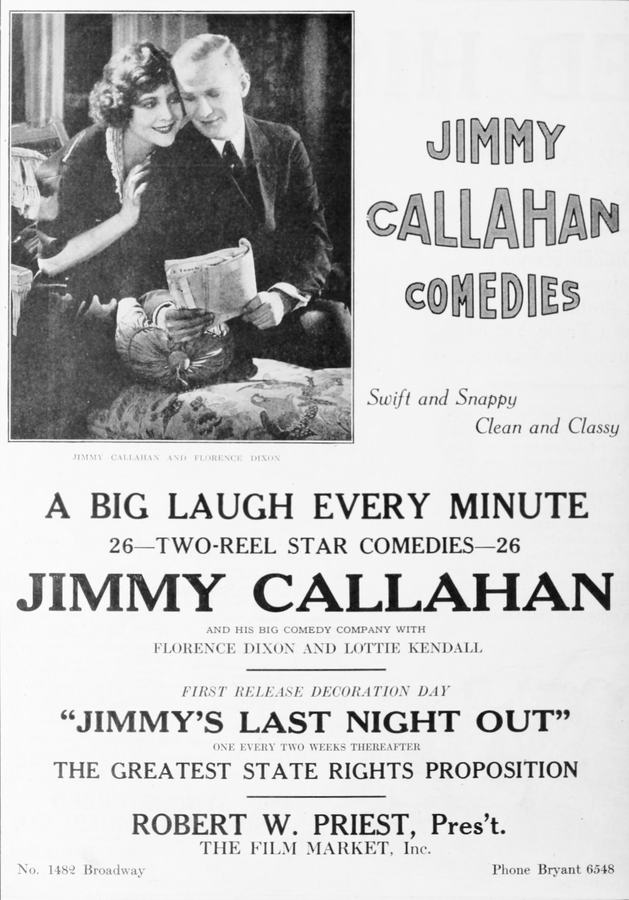
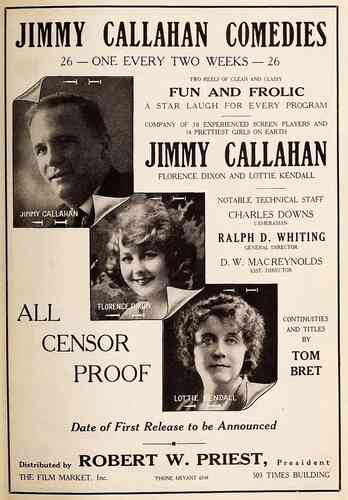
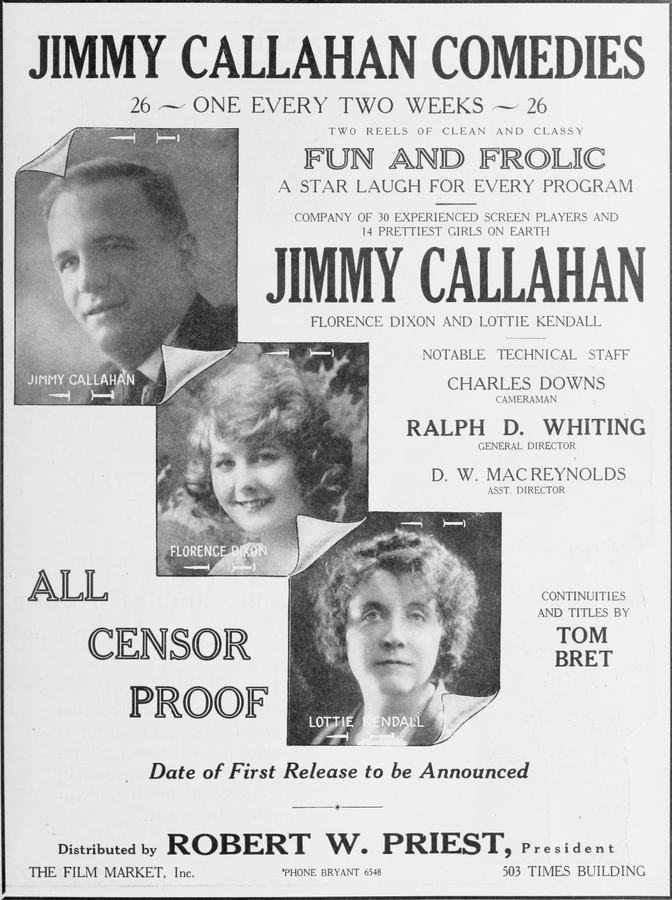
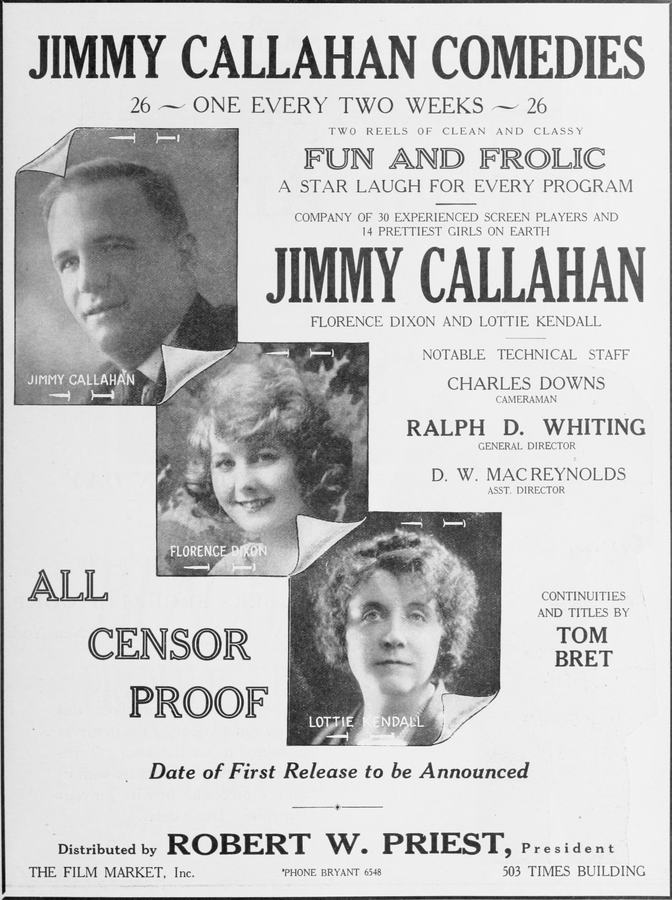
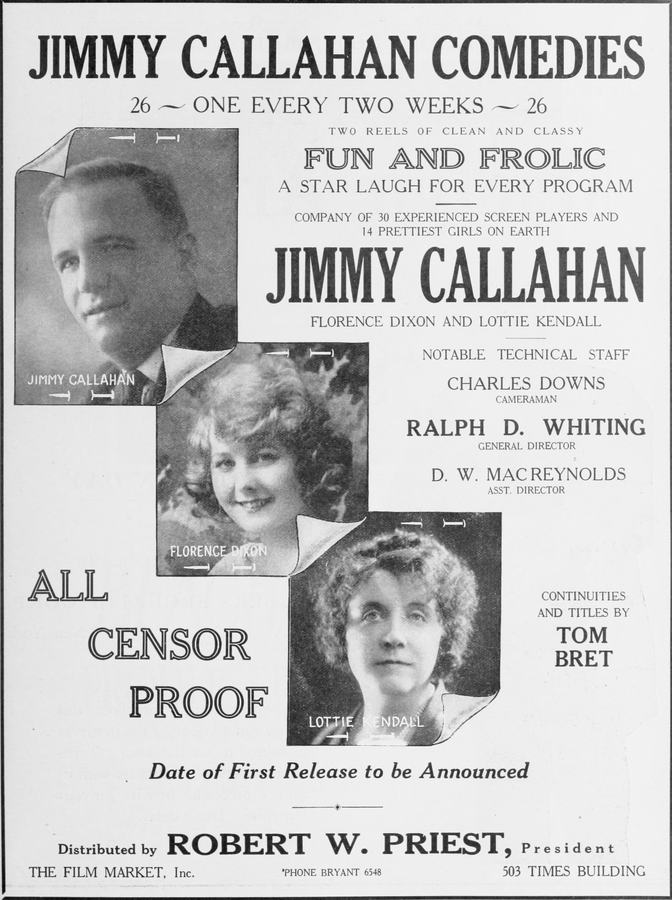
A dusk-to-dawn phantasmagoria unfurls when Jimmy Callahan—sweet-talking, gin-soaked, and jacket slung like a matador’s cape—stumbles out of a Times Square speakeasy into a Manhattan that behaves like a fever dream with scaffolding. Neon coughs vermilion onto rain-slick asphalt; elevated trains scream overhead like iron banshees; and every doorway exhales the perfume of borrowed money and last chances. Jimmy, clutching a pawn ticket for a trumpet he once blew in a Harlem after-hours joint, zigzags through a breadcrumb trail of barfly philosophers, trolley-car tragedians, Salvation Army sirens chanting hosannas in a minor key, and a ghost-child who sells him a single wilted daisy for a nickel that never existed. His odyssey ricochets from a Chinatown dice den where the walls perspire opium to a Fifth Avenue mansion where debutantes dissect him with paper-cut cruelty, then down into the subway dig where rivets echo like heartbeats of a city still being born. Each encounter peels another lamination off his identity—ladies’ man, war deserter, brother who never wrote home—until only the raw quick of guilt remains. At the stroke of the third El train, Jimmy meets Lottie Kendall, a cigarette-glow comedienne whose laughter snaps like a mousetrap; she trades him stories for sips of bootleg rye and finally offers the bargain of the century: one impossible forgiveness in exchange for the pawn ticket. By the time the sky bruises toward pewter dawn, Jimmy must decide whether to redeem the dented horn—symbol of every deferred dream—or to hurl it into the East River and vanish into the city’s bloodstream, nameless but free. The film ends on an iris-out that refuses closure: a silhouette on the pier, a muted trumpet cry swallowed by gull-screech and foghorns, while Florence Dixon’s face—once Jimmy’s fiancée—materializes in a window reflection, her eyes two nickelodeon flickers of maybe.
Review Excerpt
"
If celluloid could absorb cigarette smoke and piano-bar regret, Jimmy's Last Night Out would reek of both—a nitrate love letter to metropolitan insomnia shot through with stroboscopic terror. Director Tom Bret, moonlighting from his regular beat penning two-reel farces, here commandeers the camera like a drunken cartographer mapping the soul’s back alleys. Every frame feels dipped in cyanide-laced champagne: faces smeared by Vaseline-lensed halo, streetlamps hemorrhaging halos of cyan, interti..."