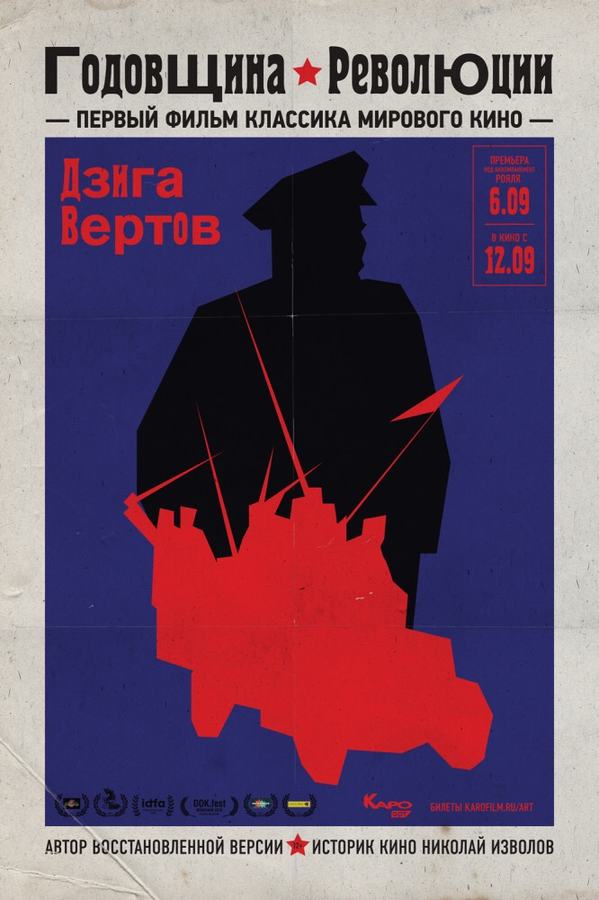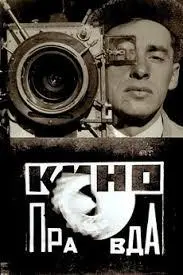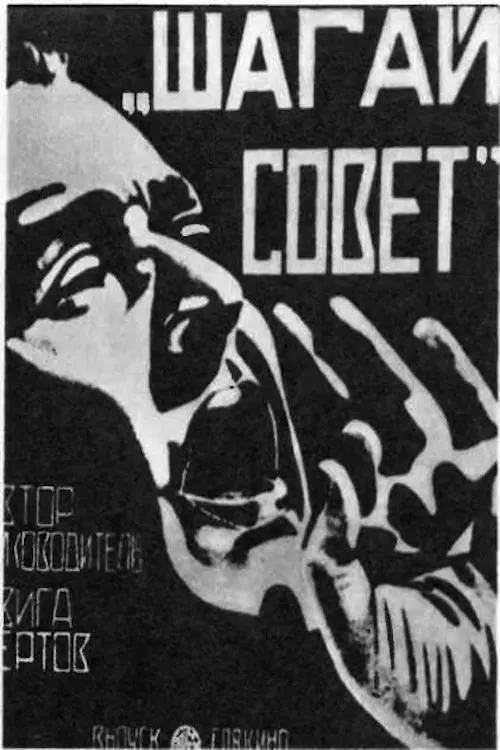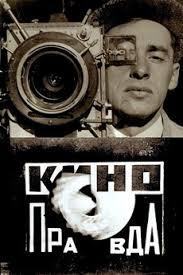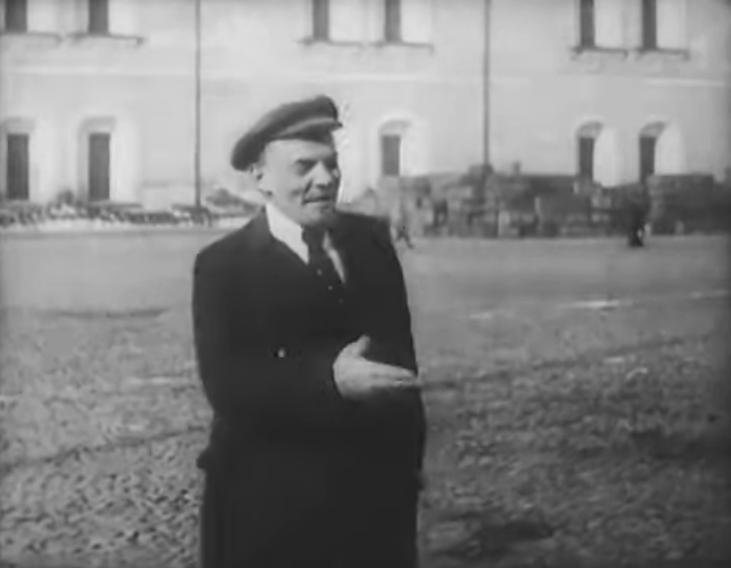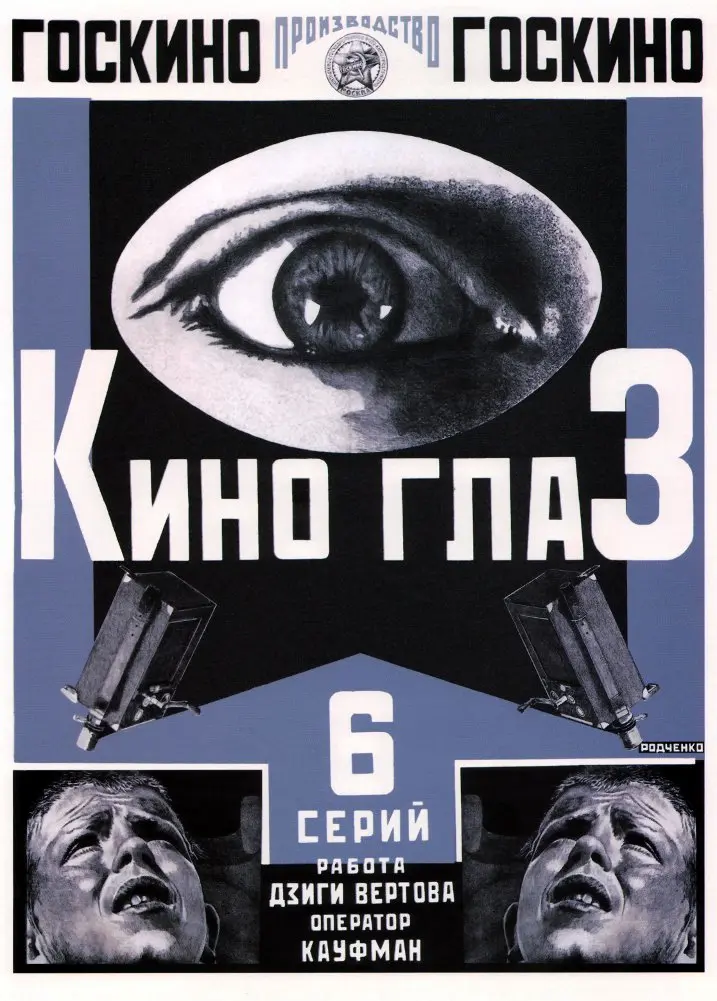
This documentary promoting the joys of life in a Soviet village centers around the activities of the Young Pioneers. These children are constantly busy, pasting propaganda posters on walls, distributing hand bills, exhorting all to "buy from the cooperative" as opposed to the Private Sector, promoting temperance, and helping poor widows.
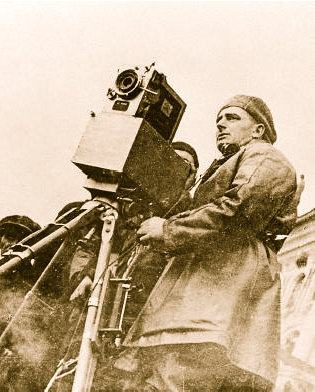
Dziga Vertov
Soviet Union
The Mechanical Eye: A New Vision of Reality To witness Kino Eye (1924) is to stand at the precipice of a cinematic revolution, where the camera is no longer a passive observer but a dynamic participant in the construction of social truth. Dziga Vertov, the iconoclastic architect of the Kino-Glaz (Cine-Eye) movement,...
product
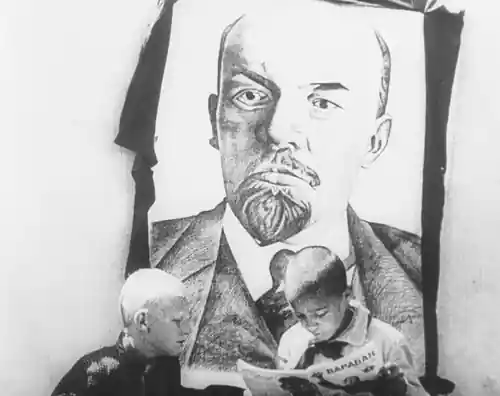
still_frame
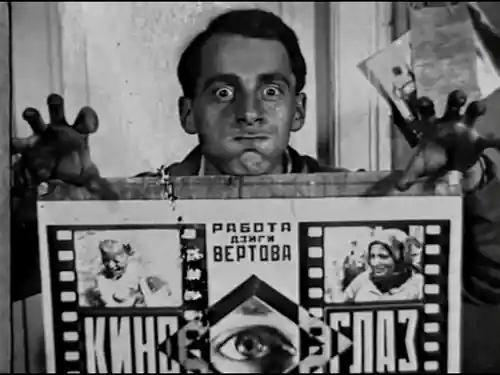
behind_the_scenes
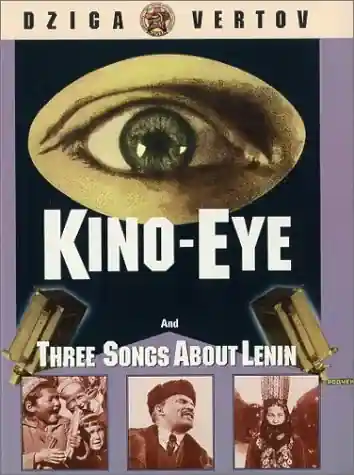
product

Comparing the cinematic DNA and archive impact of two defining moments in cult history.
Dziga Vertov
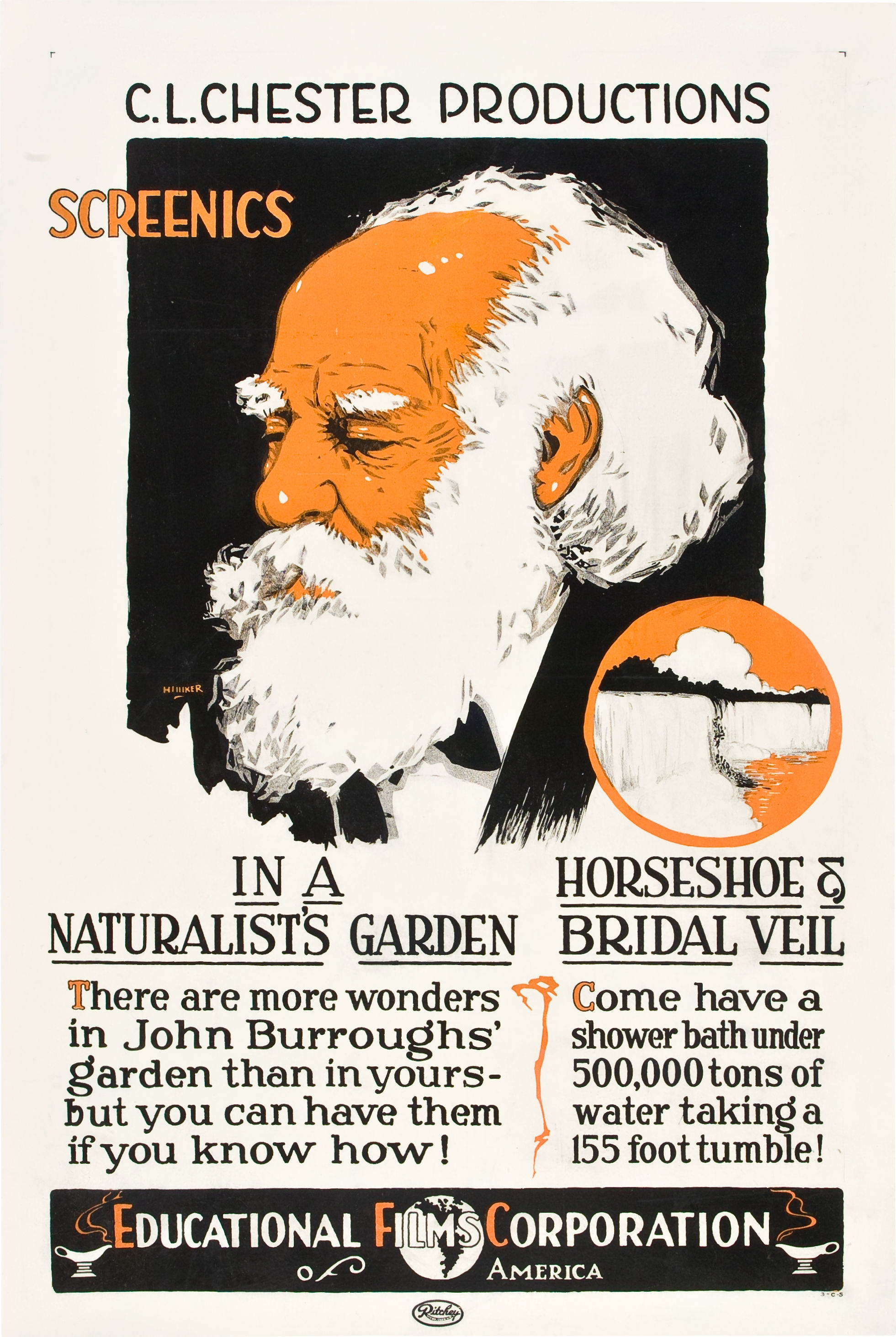
C.L. Chester
Community
Log in to comment.
" The Mechanical Eye: A New Vision of Reality To witness Kino Eye (1924) is to stand at the precipice of a cinematic revolution, where the camera is no longer a passive observer but a dynamic participant in the construction of social truth. Dziga Vertov, the iconoclastic architect of the Kino-Glaz (Cine-Eye) movement, presents a work that is simultaneously a documentary, a propaganda tool, and a radical aesthetic manifesto. Unlike the narrative constraints of contemporary fiction films like Nan..."