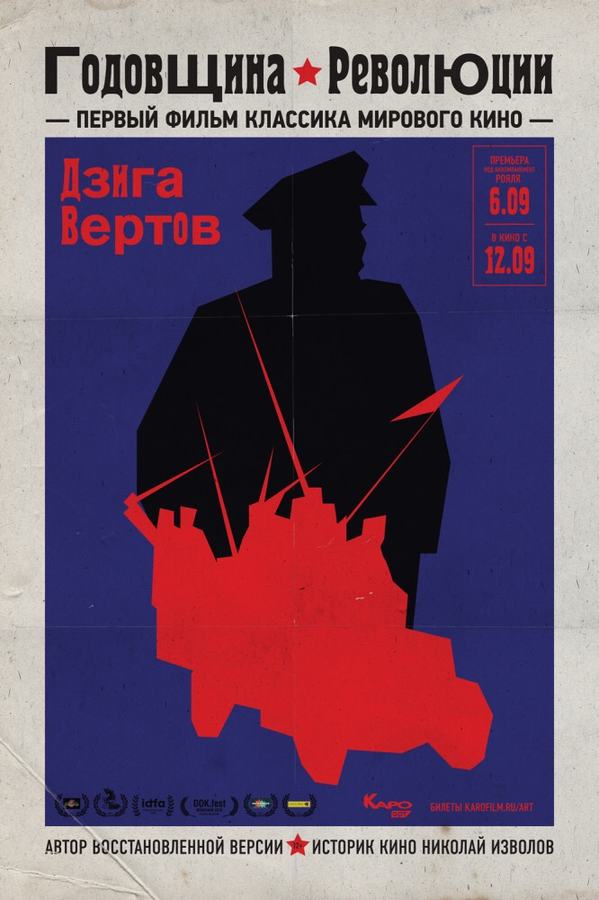
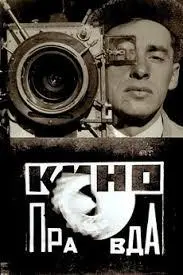
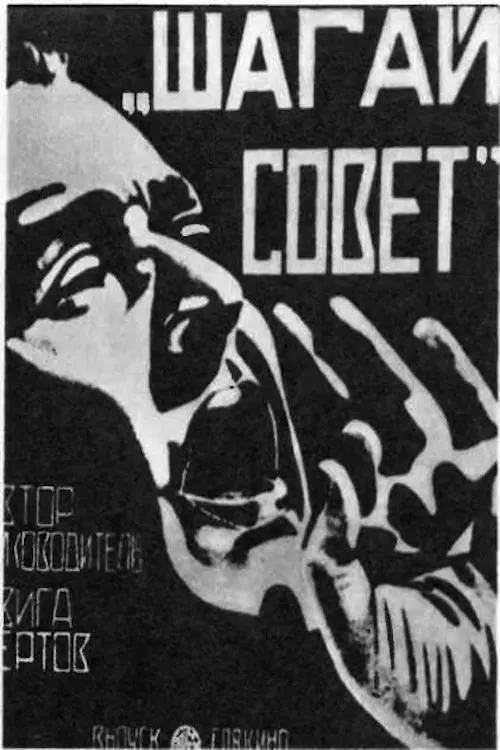
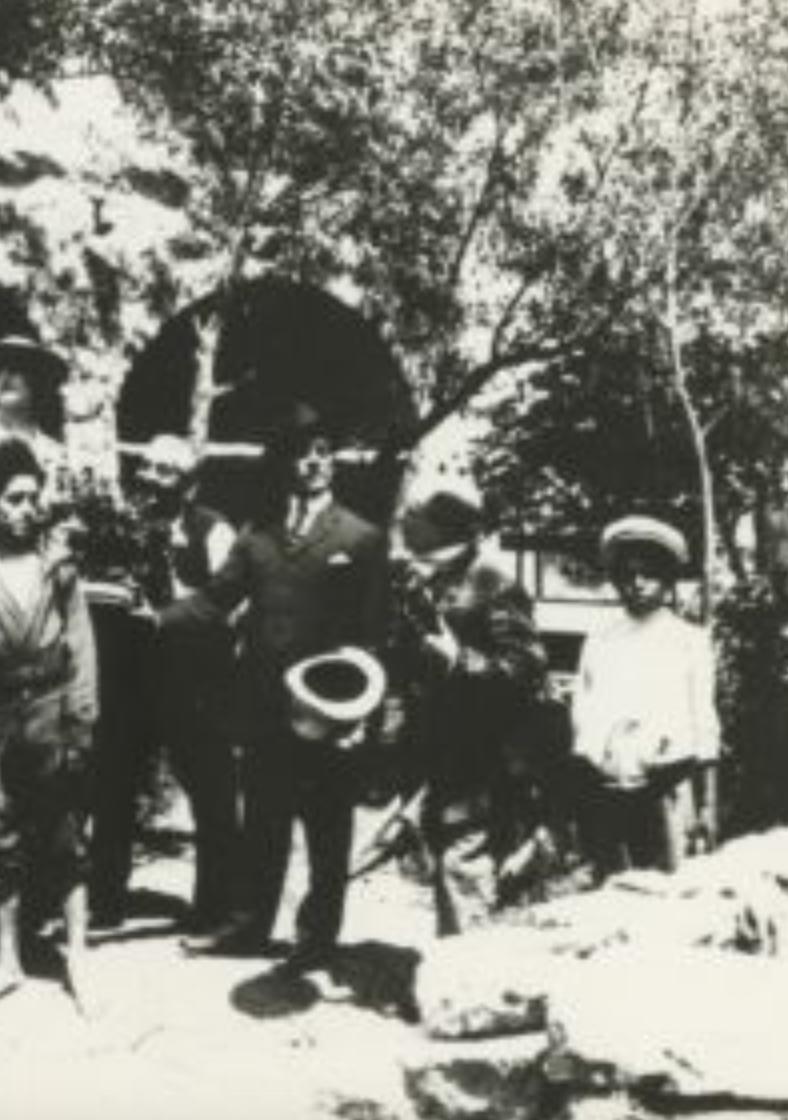
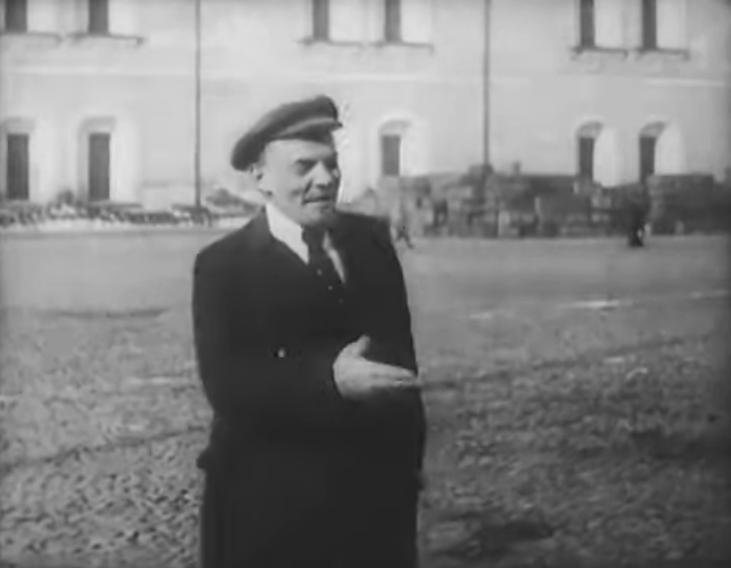
A series of newsreel films from Dziga Vertov, Elizaveta Svilova, and Mikhail Kaufman which document Russian Life in the early 1920s..
Soviet Union
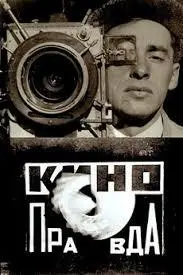
The Unblinking Eye of Revolution: Unpacking Kino-Pravda No. 17 Stepping into the world of Kino-Pravda No. 17: For the First Soviet Agricultural, Handicraft, and Industrial Exhibition is not merely watching a film; it is an act of historical communion, an unmediated gaze into the very crucible of a nation forgi...

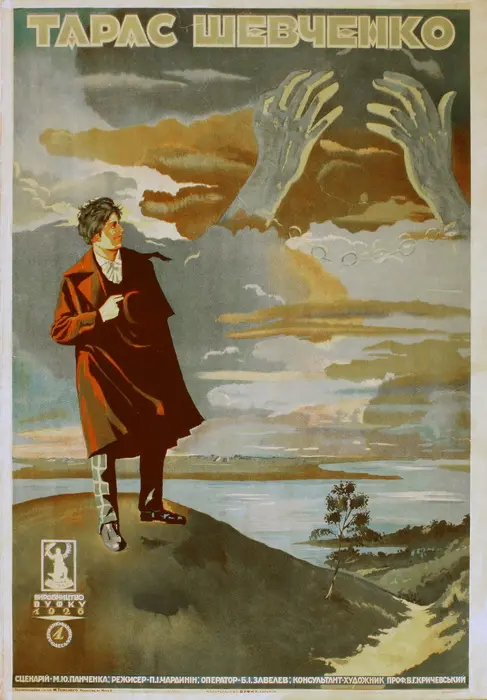
Comparing the cinematic DNA and archive impact of two defining moments in cult history.
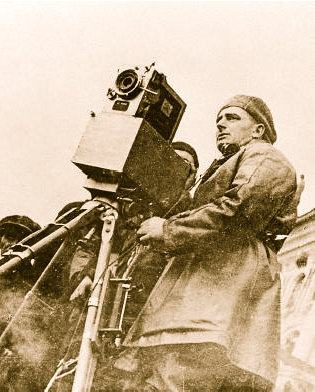
Dziga Vertov
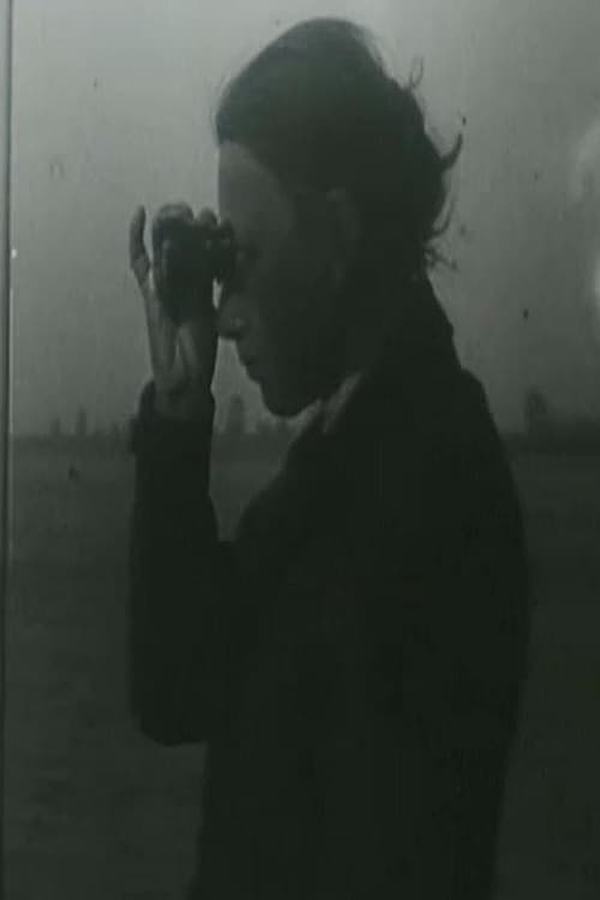
Dziga Vertov
" The Unblinking Eye of Revolution: Unpacking Kino-Pravda No. 17 Stepping into the world of Kino-Pravda No. 17: For the First Soviet Agricultural, Handicraft, and Industrial Exhibition is not merely watching a film; it is an act of historical communion, an unmediated gaze into the very crucible of a nation forging its identity in the crucible of revolution. Dziga Vertov, alongside his brilliant collaborators Elizaveta Svilova and Mikhail Kaufman, didn't just document life; they sculpted i..."
Deep dive into the cult classic
Discover similar cinematic experiences
A Directorial Spotlight on Dziga Vertov
Community
Log in to comment.