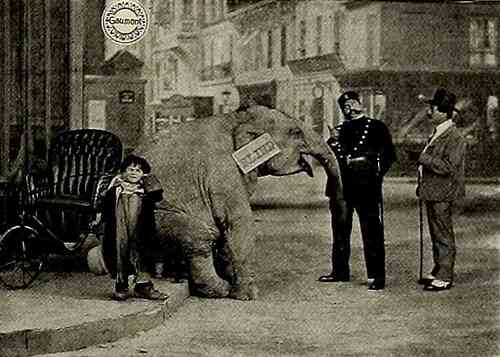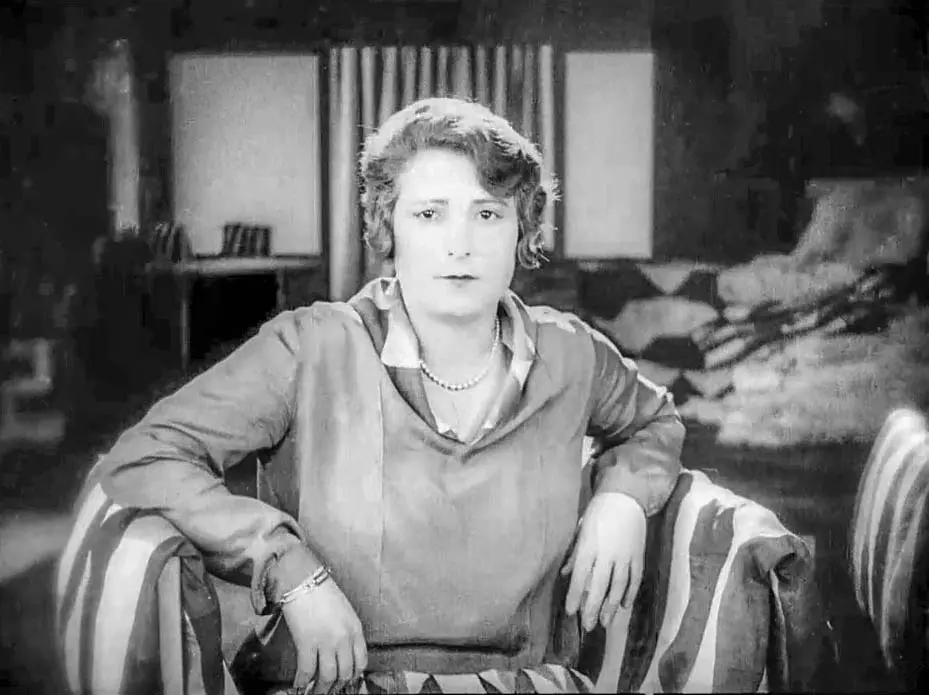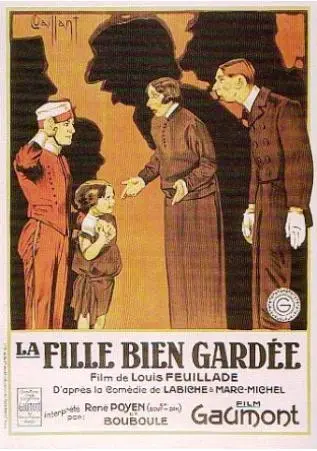
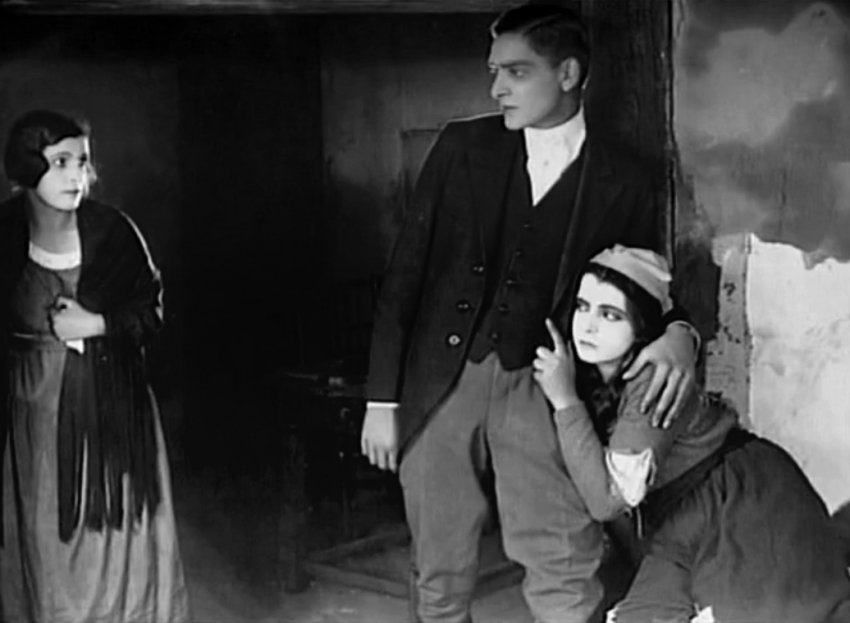
A baroness entrusts her daughter to her servants, Germain and Marie. Marie takes her to a dance hall, where the daughter is taken by a man.
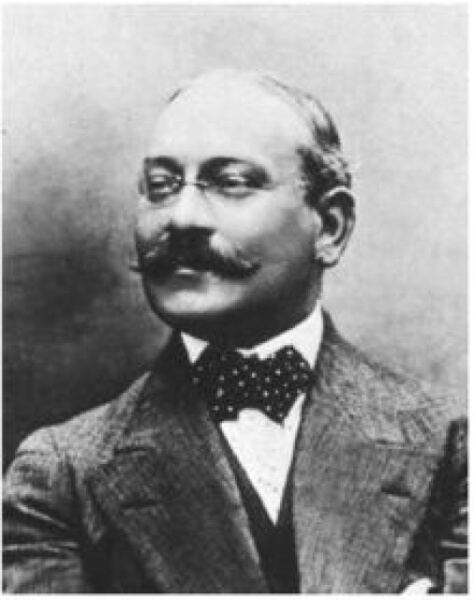
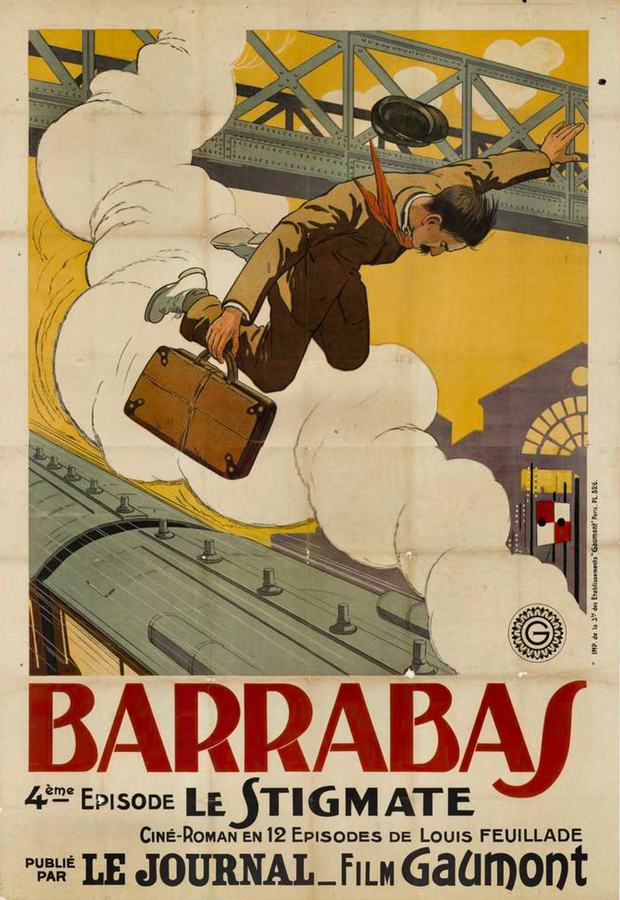
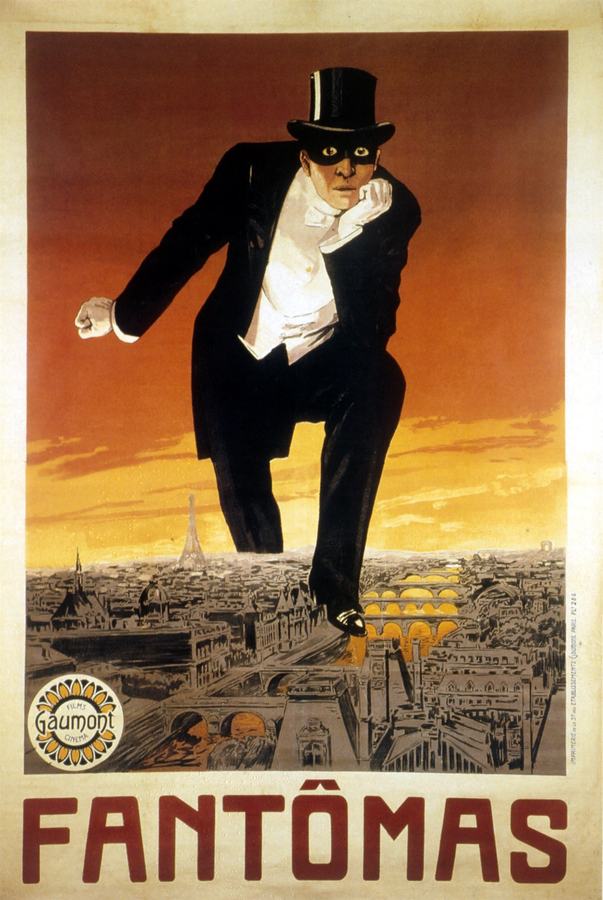
The Silent Echoes of Vulnerability: Revisiting Louis Feuillade's 'La fille bien gardée' In the annals of early cinema, where narratives were often painted with broad strokes and emotions conveyed through exaggerated gestures, Louis Feuillade stands as a towering figure. Renowned for his sprawling ser...
Comparing the cinematic DNA and archive impact of two defining moments in cult history.
Louis Feuillade
Louis Feuillade
Community
Log in to comment.
" The Silent Echoes of Vulnerability: Revisiting Louis Feuillade's 'La fille bien gardée' In the annals of early cinema, where narratives were often painted with broad strokes and emotions conveyed through exaggerated gestures, Louis Feuillade stands as a towering figure. Renowned for his sprawling serials like Fantômas and Les Vampires, which captivated audiences with their intricate plots and shadowy intrigue, it is sometimes easy to overlook his more concise, poignant works. ..."

Alice Tissot
Louis Feuillade, Eugène Labiche, Marc Michel
France

Deep dive into the cult classic
Discover similar cinematic experiences
A Directorial Spotlight on Louis Feuillade