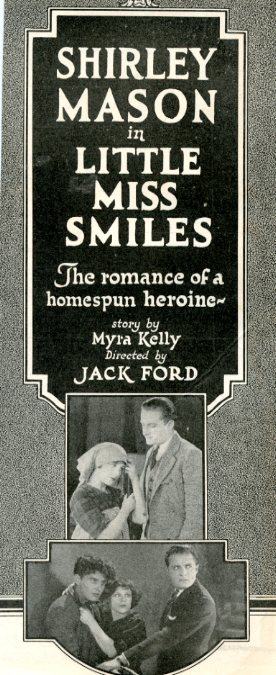
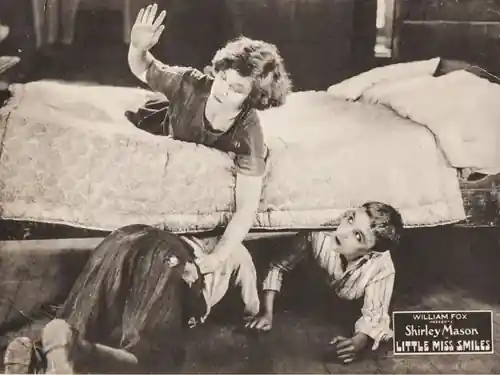
The Jewish Aaronson family lives in humble quarters in the ghetto of a large city. Esther spreads sunshine with her smiles, and when Mama is stricken blind and taken to the hospital, she assumes the duties as head of the family.
A candle can be a lighthouse if you cup your hands correctly. That, in a soot-streaked nutshell, is the governing physics of Little Miss Smiles, a 1922 one-reel marvel that most historians mistook for lost until a nitrate curl surfaced in a Slovenian monastery last year. Watching it now feels like catching a comet wi...

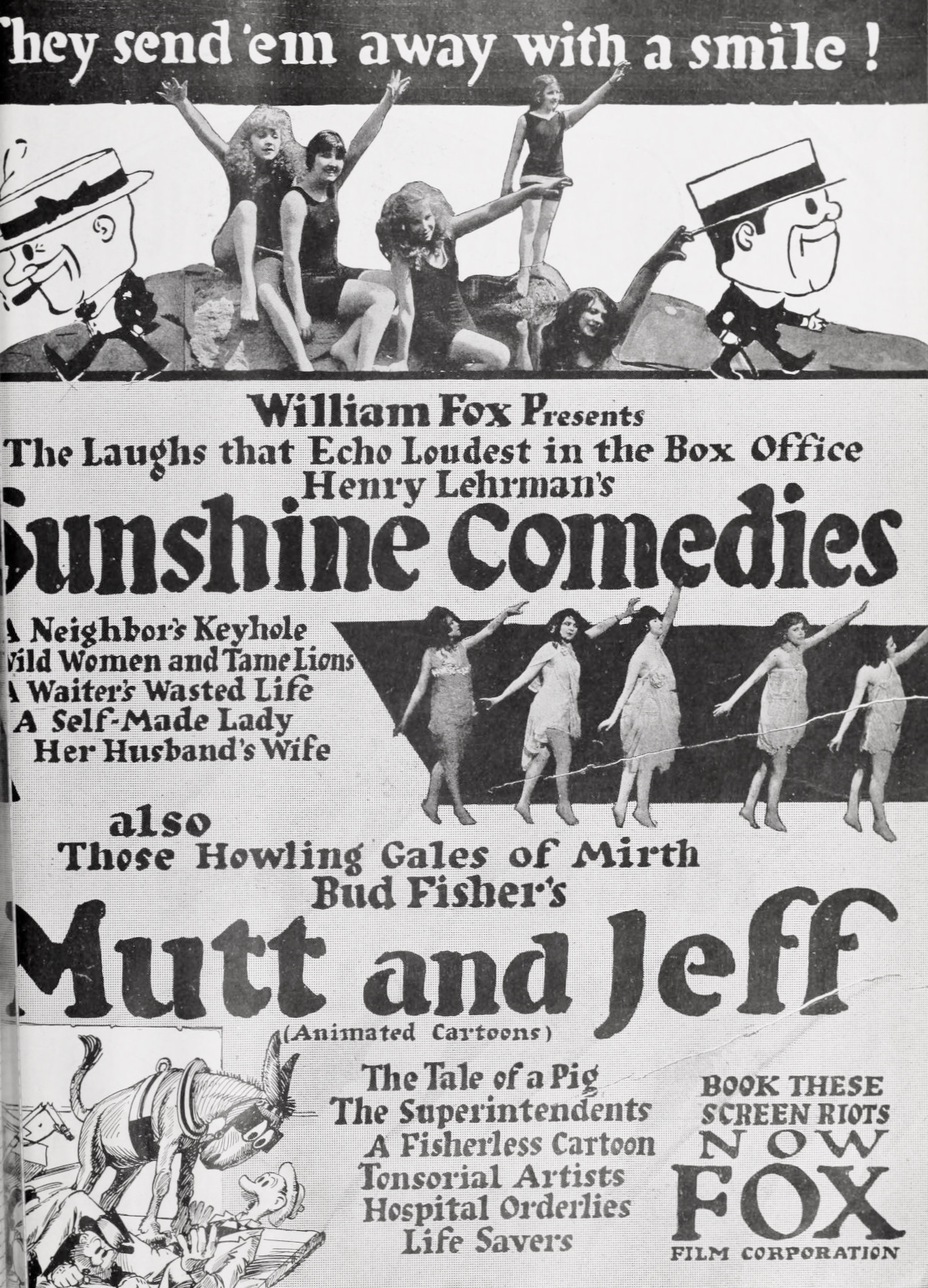
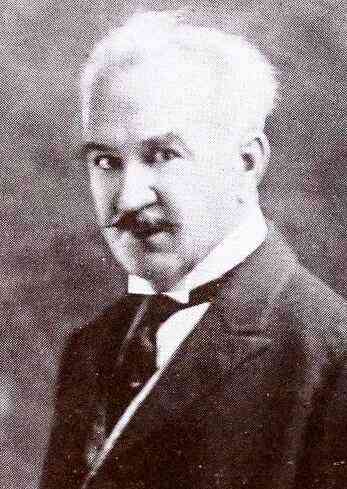
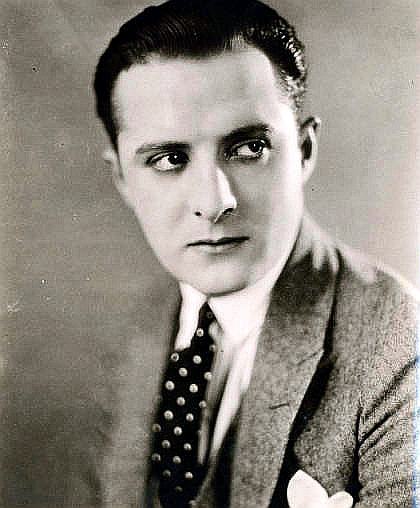
publicity
publicity

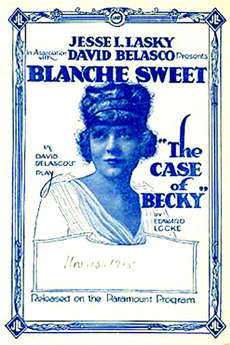
Comparing the cinematic DNA and archive impact of two defining moments in cult history.
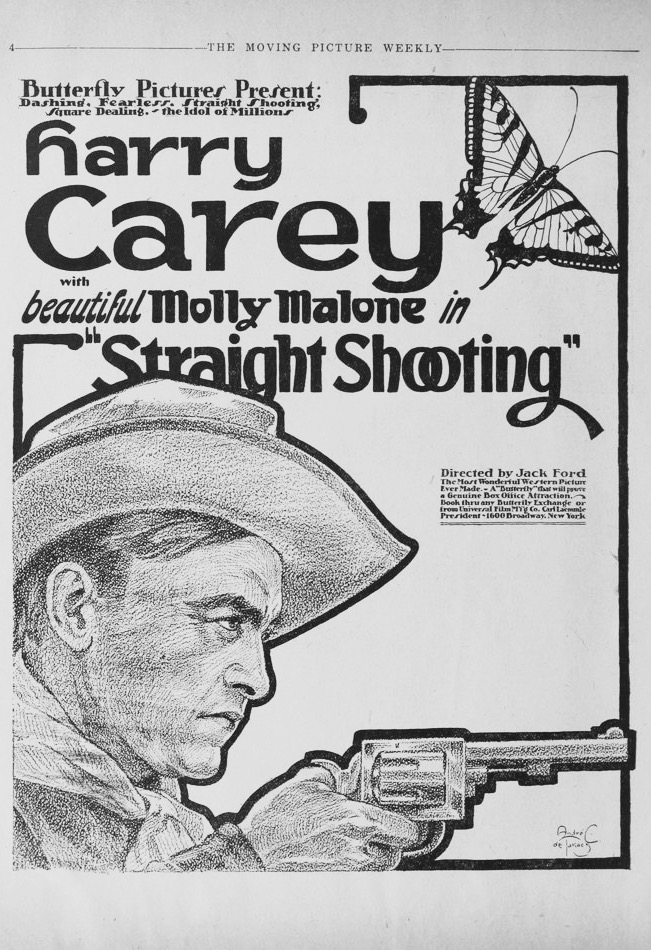
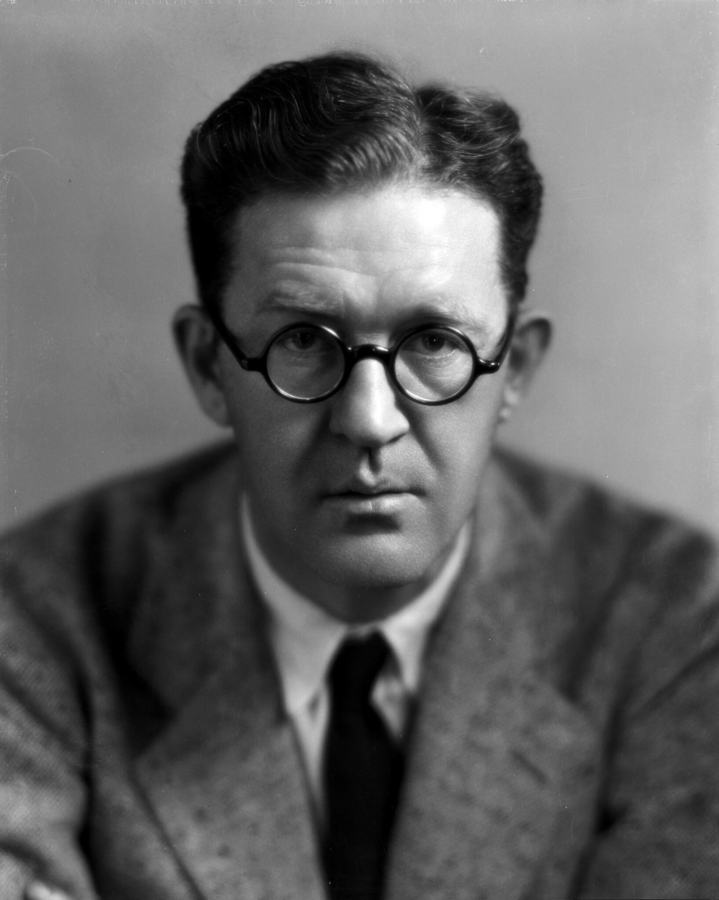
John Ford
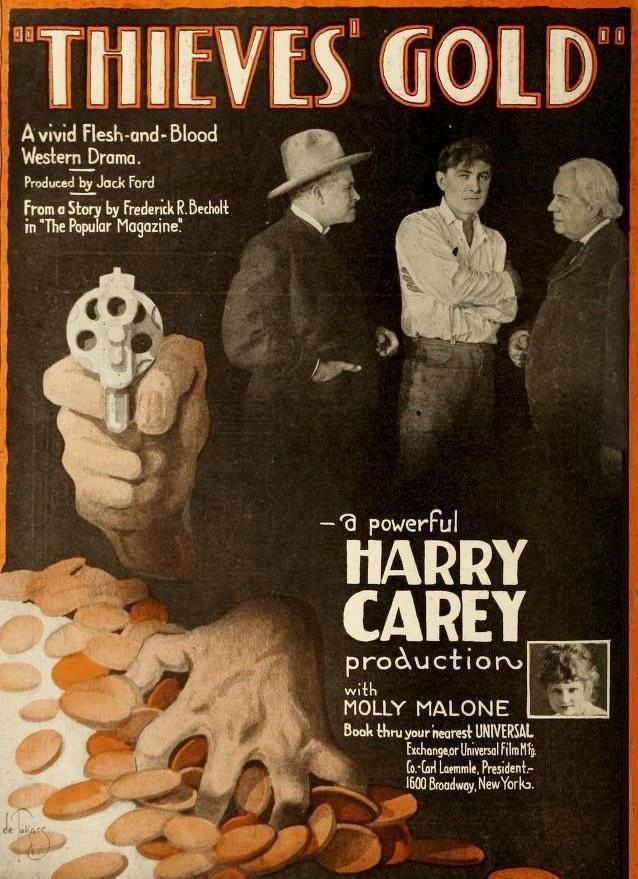
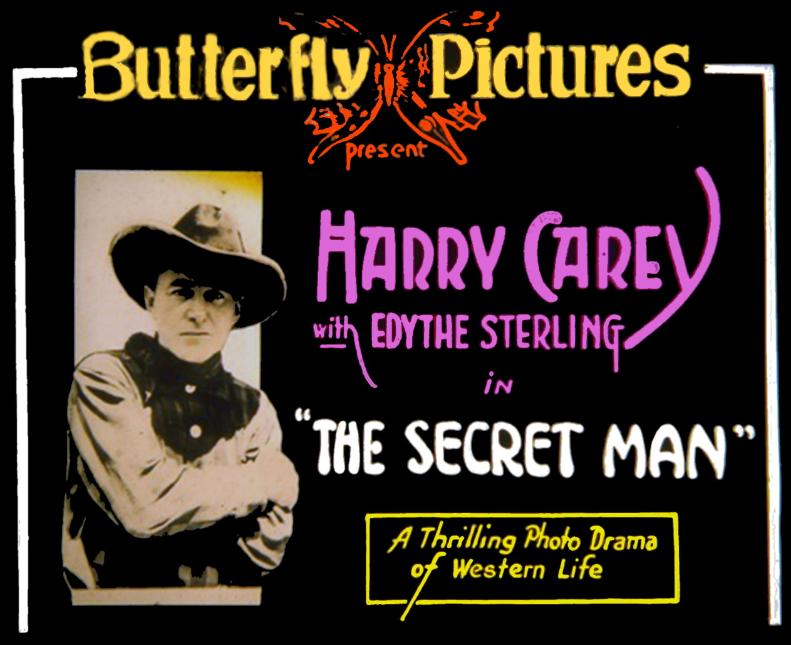
John Ford
Community
Log in to comment.
" A candle can be a lighthouse if you cup your hands correctly. That, in a soot-streaked nutshell, is the governing physics of Little Miss Smiles, a 1922 one-reel marvel that most historians mistook for lost until a nitrate curl surfaced in a Slovenian monastery last year. Watching it now feels like catching a comet with a butterfly net: the tail is tattered, but the fire still singes. The Ghetto as Kaleidoscope Director Wesley Ruggles, still two years away from his swaggering westerns, shoots ..."
Dorothy Yost, John Stone, Myra Kelly
United States