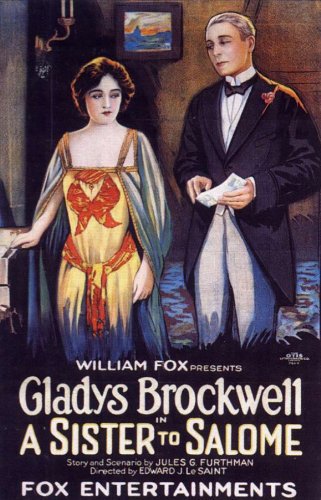
Bradley, an engineer, becomes a Tahiti beachcomber after the collapse of a bridge he built. Murdock, a former employer of Bradley, arrives on the island with his lovely daughter Diana, who wagers with a guest of the governor-general that she could dress the lowest outcast in good clothing and pass him off as a gentleman.
The lights dim, the tinting flares umber, and suddenly we’re adrift on a postcard that has begun to rot at the edges. Man and Woman—that 1917 one-reel wonder now resurrected by an Italian archive—opens with the fatal yaw of iron: a bridge snaps like a wishbone, sending miniature locomotives and ant-sized humanity into...


Comparing the cinematic DNA and archive impact of two defining moments in cult history.
Charles Logue

Dallas M. Fitzgerald
Community
Log in to comment.
" The lights dim, the tinting flares umber, and suddenly we’re adrift on a postcard that has begun to rot at the edges. Man and Woman—that 1917 one-reel wonder now resurrected by an Italian archive—opens with the fatal yaw of iron: a bridge snaps like a wishbone, sending miniature locomotives and ant-sized humanity into the abyss. Cue the intertitle, scrawled in the spidery grammar of panic: “Fault-lines sleep inside ambition.” It’s the kind of aphorism that feels minted yesterday, though it’s pu..."
Charles Logue
United States

1925 · IMDb —
Deep dive into the cult classic
Discover similar cinematic experiences
A Directorial Spotlight on Charles Logue