The 1920s represented a pivotal juncture for French cinema, a period where the primitive slapstick of the pre-war era began to coalesce into a more sophisticated, narrative-driven art form. René Leprince, a director often overshadowed by the avant-garde luminaries of the Impressionist movement, demonstrat...
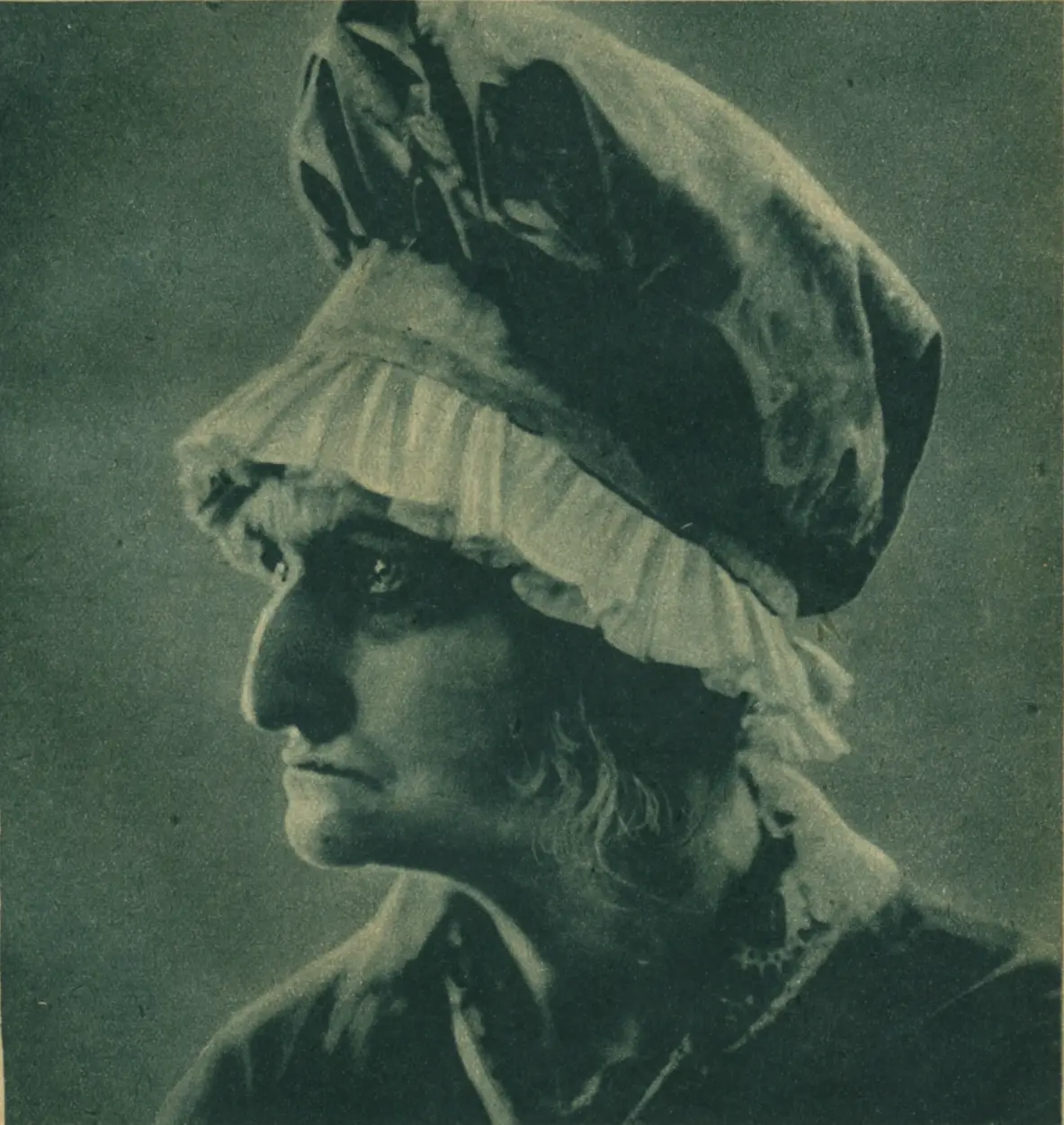
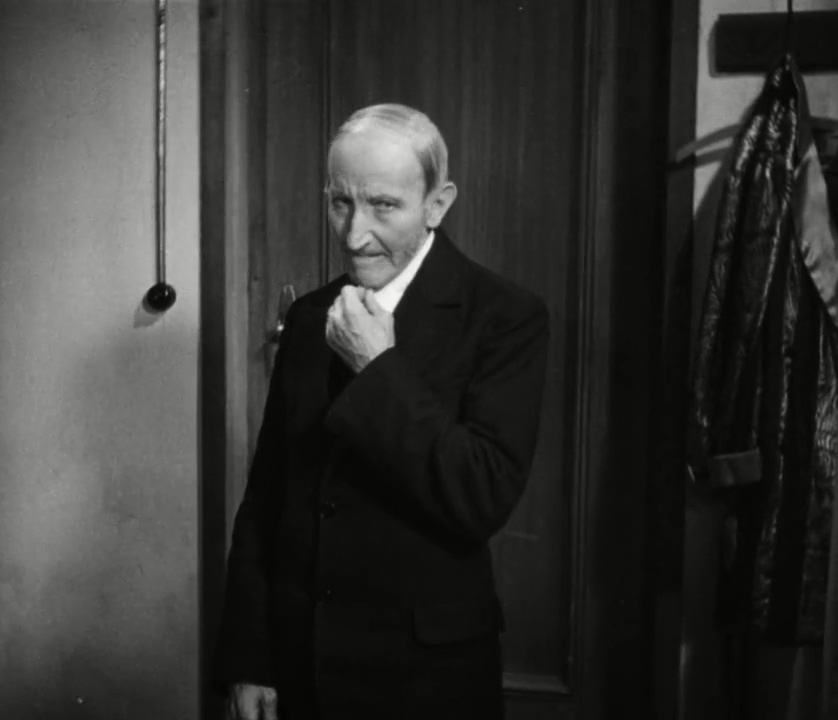
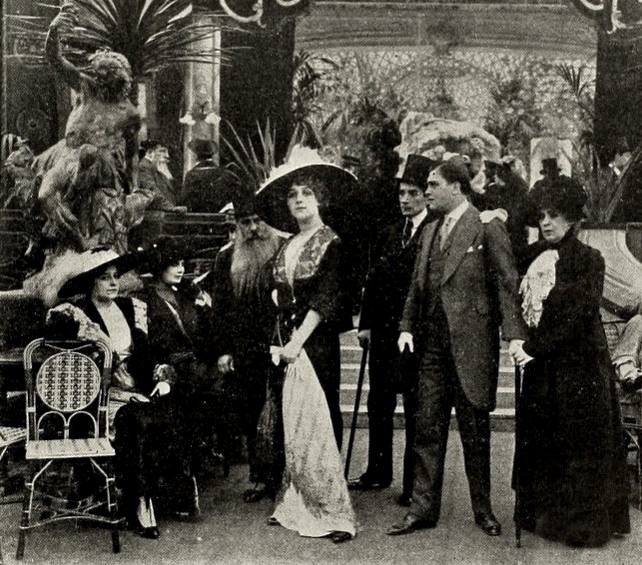
still_frame
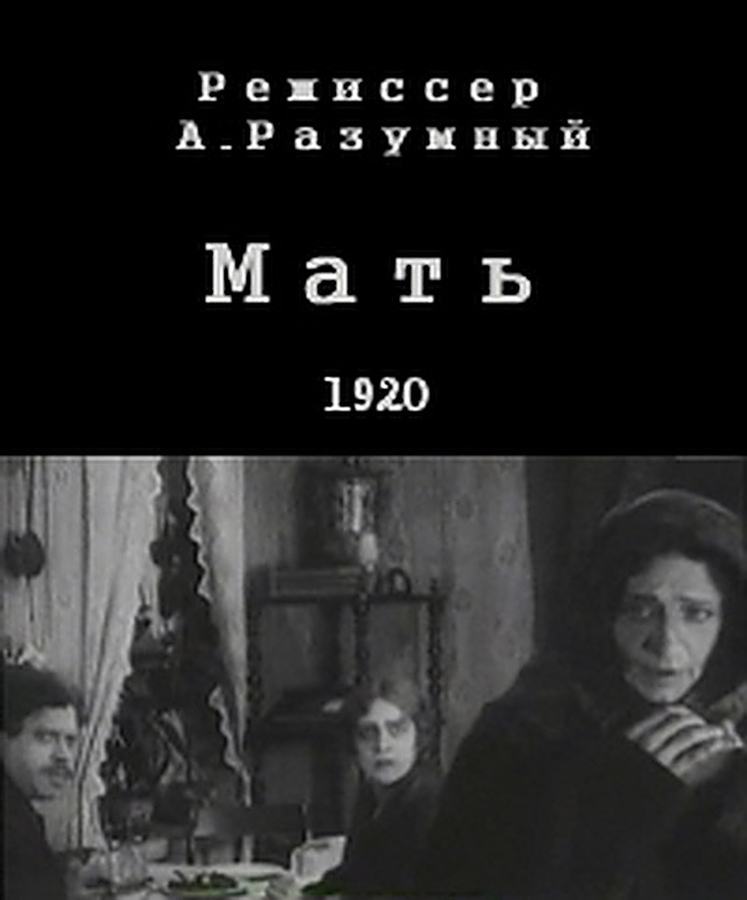
Comparing the cinematic DNA and archive impact of two defining moments in cult history.
René Leprince
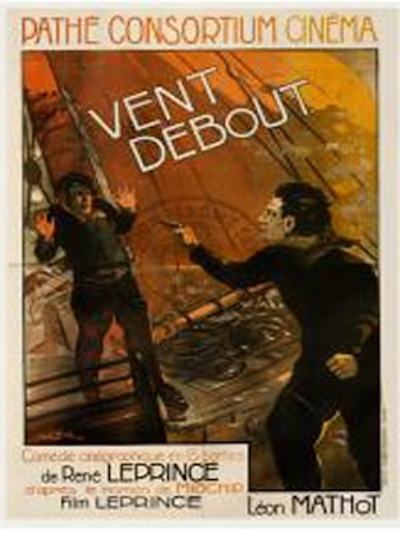
René Leprince
Community
Log in to comment.
" The 1920s represented a pivotal juncture for French cinema, a period where the primitive slapstick of the pre-war era began to coalesce into a more sophisticated, narrative-driven art form. René Leprince, a director often overshadowed by the avant-garde luminaries of the Impressionist movement, demonstrates in Un bon petit diable a remarkable command over the emotional geography of childhood. Based on the beloved novel by the Comtesse de Ségur, this 1923 production is far from a sa..."
La Comtesse de Ségur
France

Deep dive into the cult classic
Discover similar cinematic experiences
A Directorial Spotlight on René Leprince