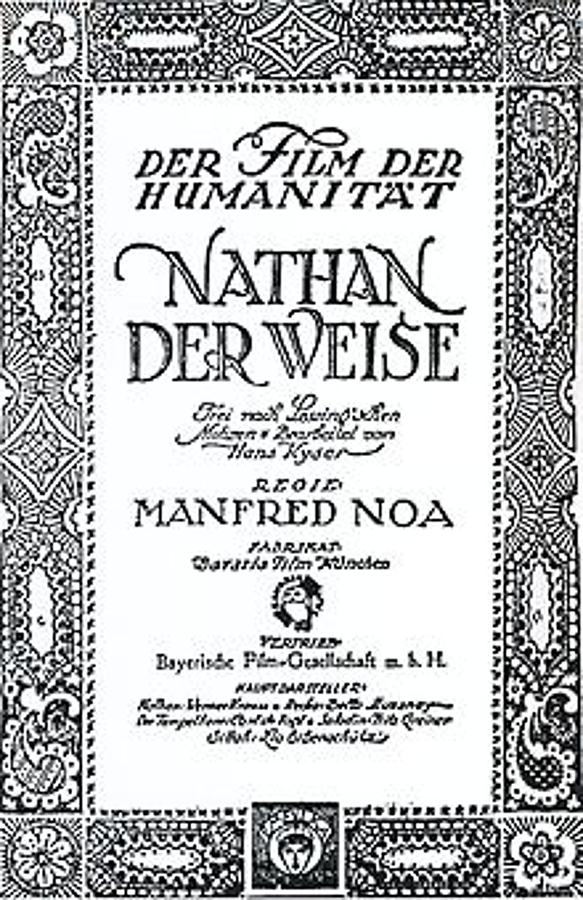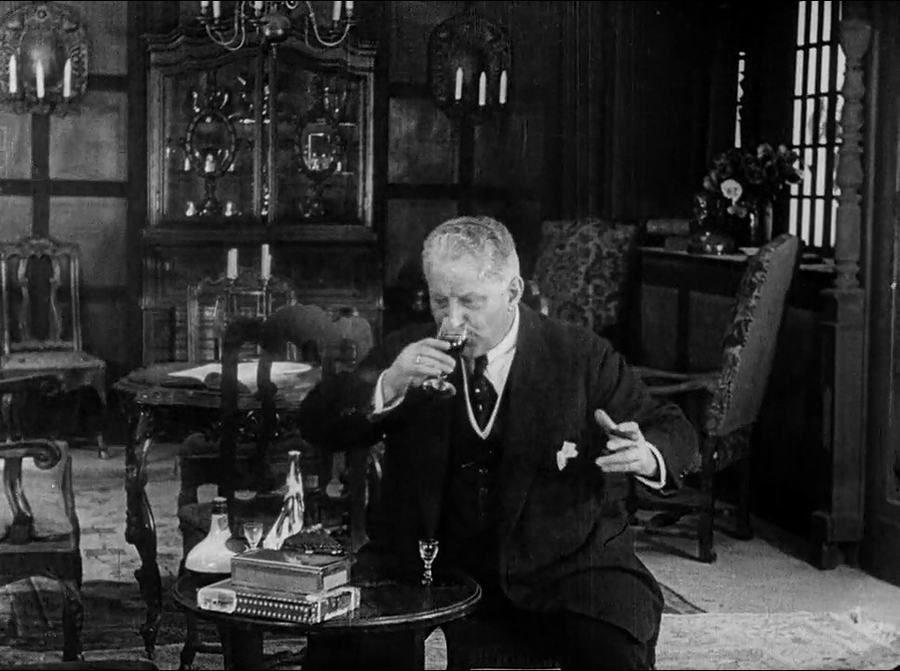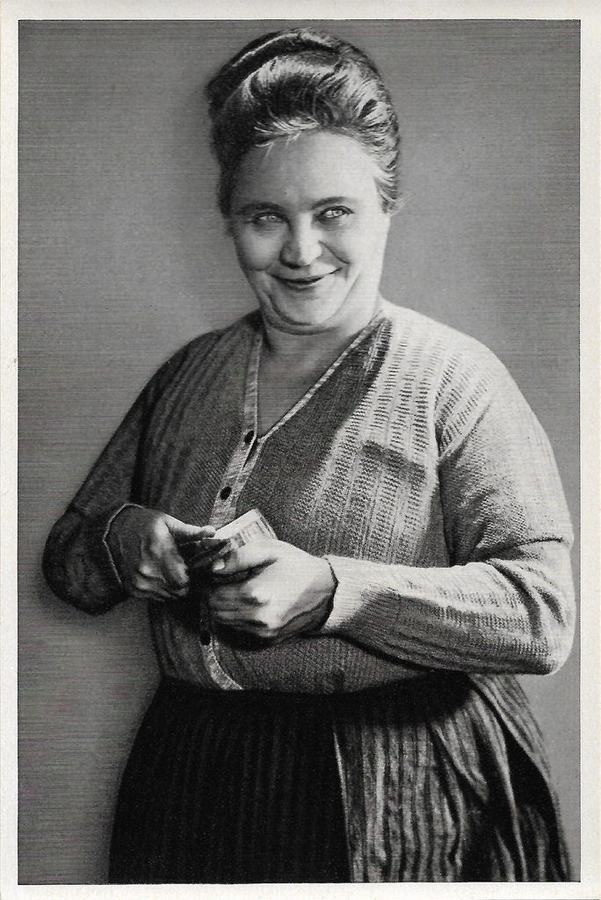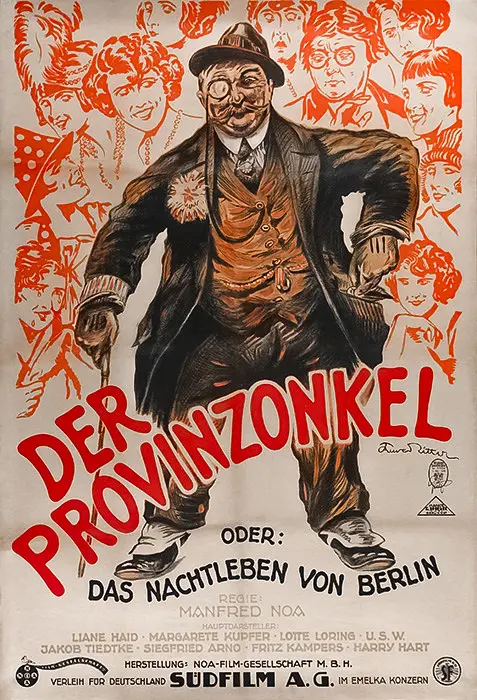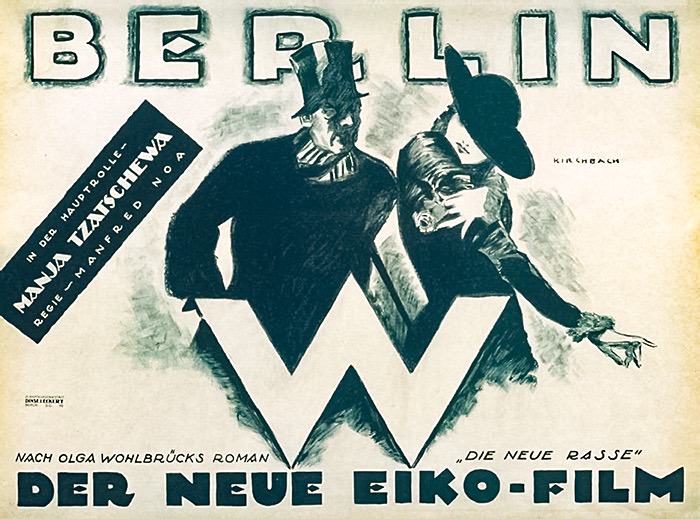
Berlin, 1922. The city is a palimpsest of revolution scars and champagne bruises, and no film drinks that contradiction deeper than Manfred Noa’s BERLIN W.—a title that sounds like a railway terminus but feels like a terminal diagnosis. From the first iris-in, the movie announces its agenda: to make the metropolis i...
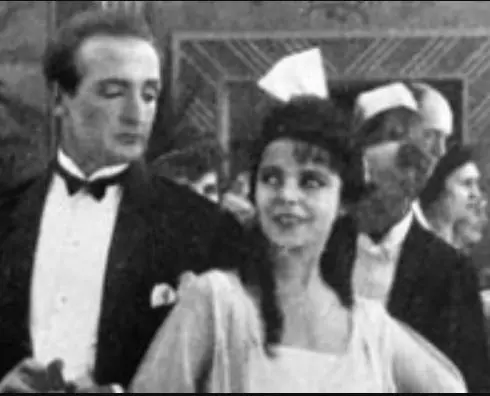
still_frame
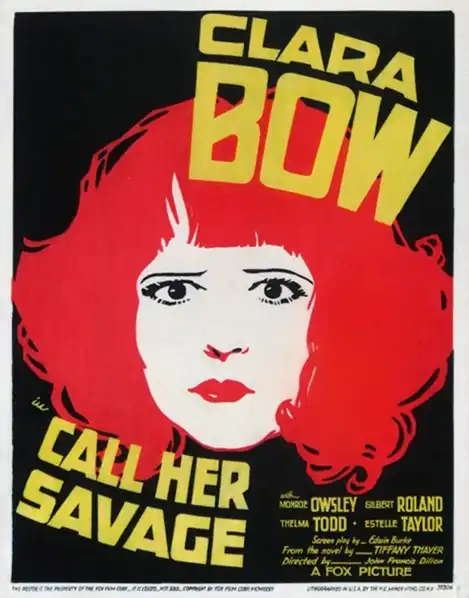
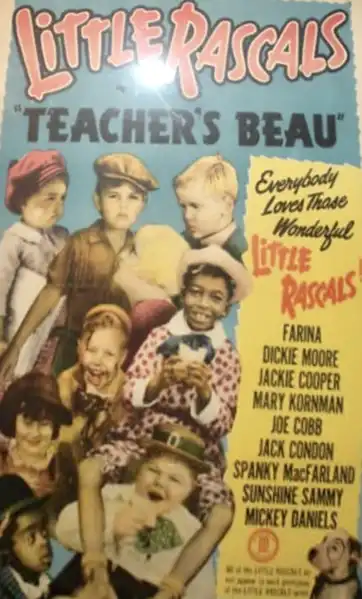
Comparing the cinematic DNA and archive impact of two defining moments in cult history.
Manfred Noa
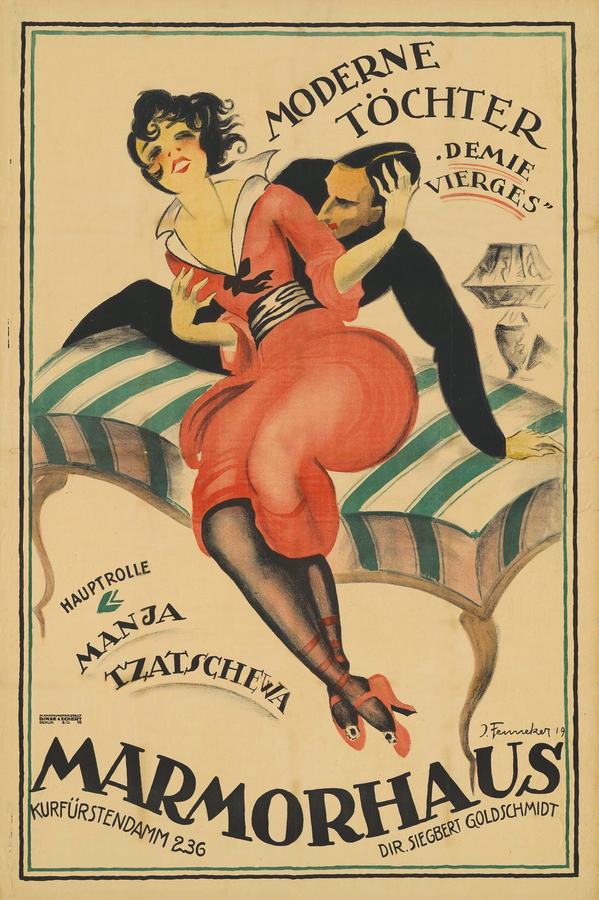
Manfred Noa
Community
Log in to comment.
" Berlin, 1922. The city is a palimpsest of revolution scars and champagne bruises, and no film drinks that contradiction deeper than Manfred Noa’s BERLIN W.—a title that sounds like a railway terminus but feels like a terminal diagnosis. From the first iris-in, the movie announces its agenda: to make the metropolis itself the protagonist, a self-lacerating diva chewing on her own scenery. Cinematographer Curt Courant glides his camera over Alexanderplatz as if it were a lover’s back, discoveri..."
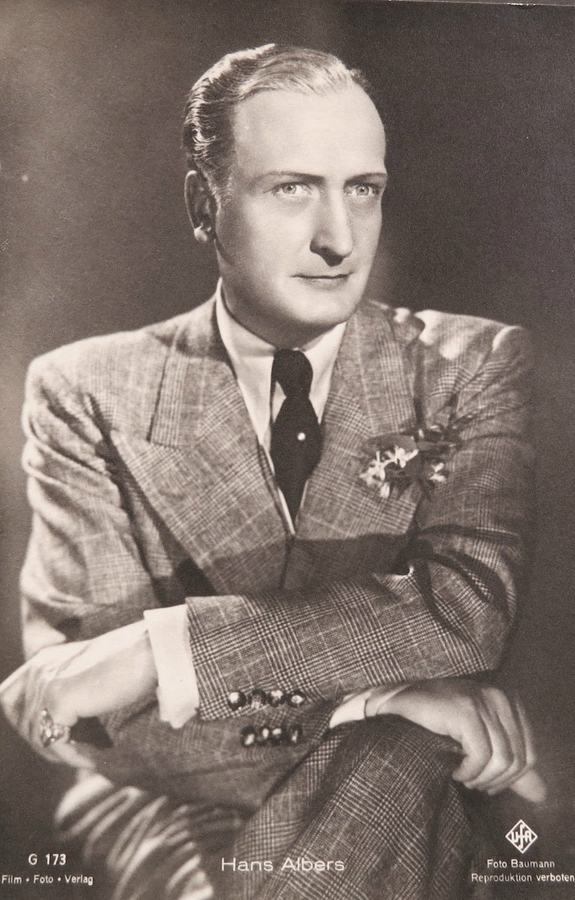
Hans Albers
Bobby E. Lüthge, Olga Wohlbrück, Manfred Noa
Germany