Summary
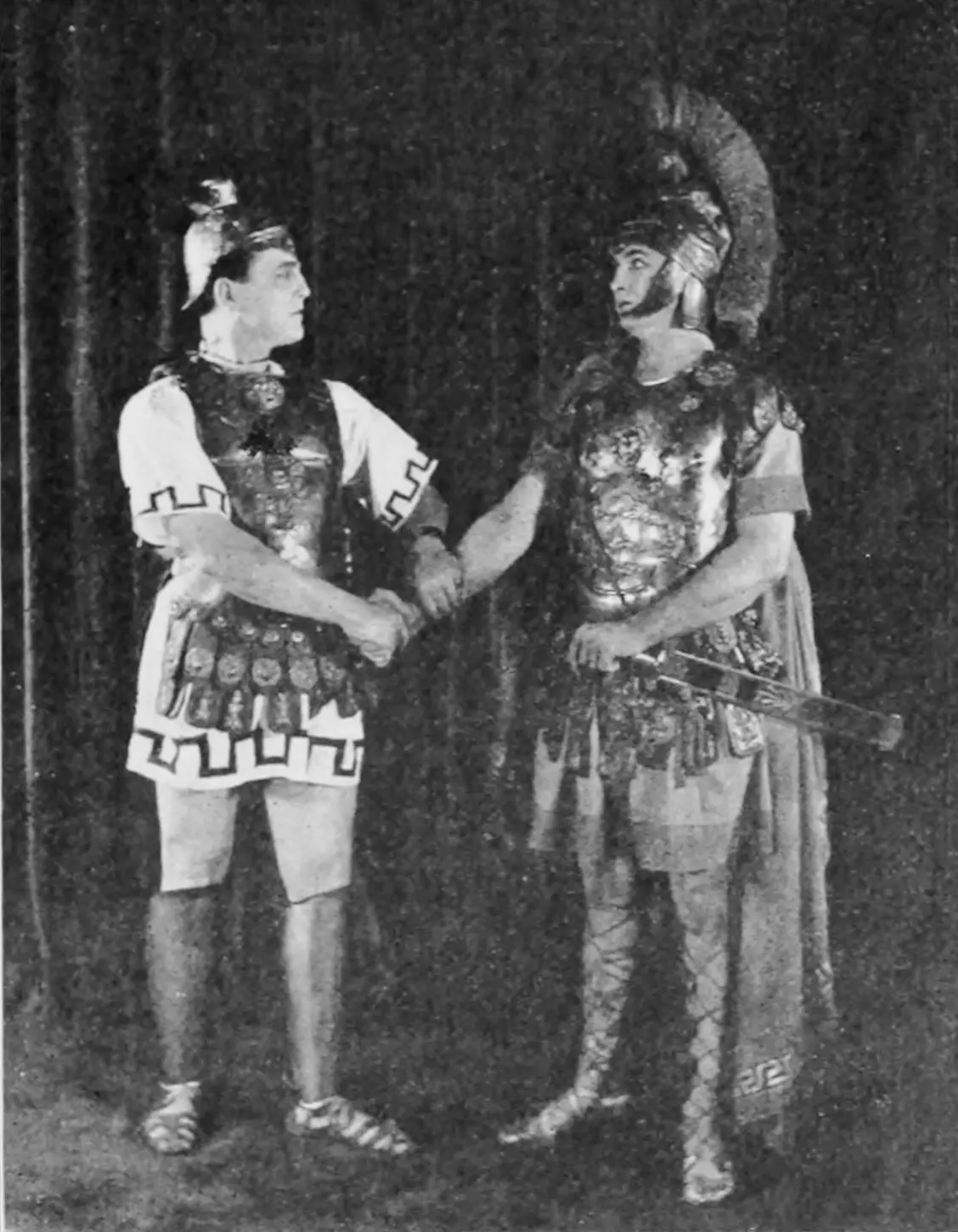
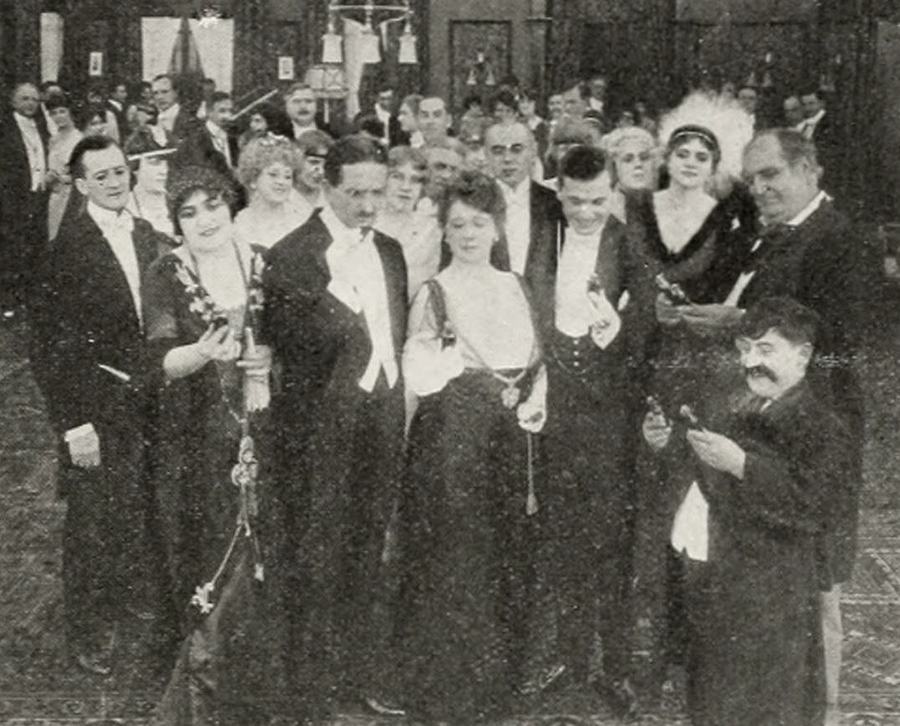
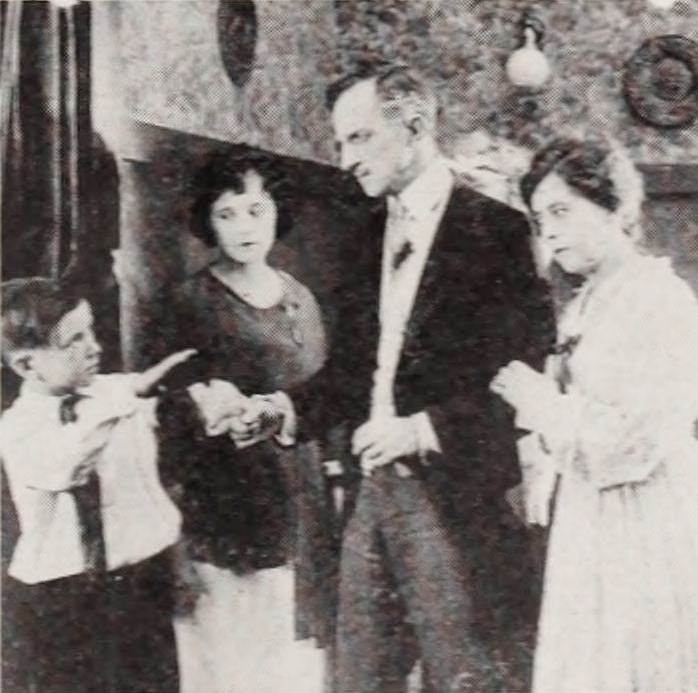
A provincial coterie of ink-stained dreamers, convinced that posterity awaits their every comma, decide to mount the unmountable: a florid Neo-Jacobean bloodbath entitled “The Fall of Tarquinia,” penned by the least prodigious of their number, the quivering librarian Theophilus Thistle. In a candle-scented drawing room that smells of mothballs and unfulfilled genius, egos inflate faster than a Zeppelin over Lakehurst; budgets hemorrhage; costumes are stitched from drawing-room drapes; and the only available Colosseum is a wallpapered alcove. As rehearsals lurch from malapropism to mutiny, the society’s matriarch—an ex-opera diva who pronounces every r like a cavalry charge—declares herself empress of the production, recasting the hapless playwright as a spear carrier while she seizes the laurel-wreathed protagonist. Meanwhile, the treasurer, a secret gambling addict, diverts the scenery fund to a greyhound named Cicero, forcing the “Roman” legions to march in cardboard greaves painted with cherry cordial. Opening night arrives like a guillotine: the pulley-driven sun gets stuck at high noon, the papier-mâché triumphal arch collapses onto the orchestra pit, and the poison goblet—actually cranberry jelly—refuses to slide down the throat of the dying tyrant, who ends up choking on stage for seven unscripted minutes. Yet in the smoke of catastrophe, something alchemical occurs: the audience, half scandalized, half enchanted, begins to roar with cathartic laughter, transforming hubris into communal joy. By the final curtain, the actors discover that the tragedy they intended to enshrine has pirouetted into a living farce, a mirror held up not to Rome but to their own magnificent, fragile delusions.
The comic mishaps of an ambitious literary society that attempts to produce a Roman tragedy written by one of its members.
Review Excerpt
"
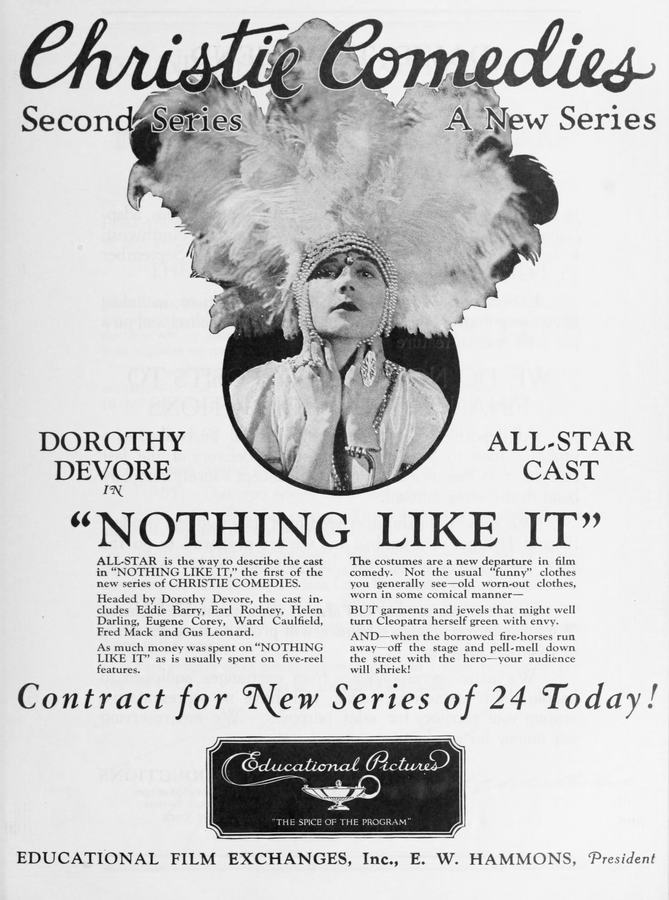
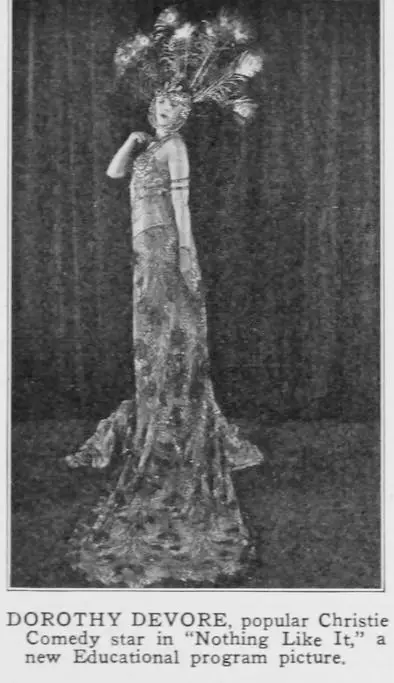
There is a moment—roughly halfway through Nothing Like It—when the camera, stationed where the fourth wall ought to be, watches a watch that has stopped at the stroke of imaginary doom. The second hand jitters, undecided whether to tick forward or back, while onstage a would-be Brutus misplaces his dagger inside a loaf of prop bread. That suspended second distills the entire film’s prankish metaphysics: time itself is the joke, and we are its punch-drunk conspirators.
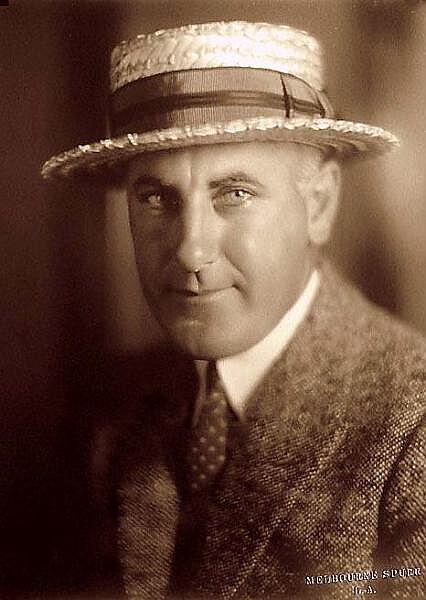
Director Walter Graham, ..."