DbcultAccessing Vault...
6.2/10
Senior Film Conservator
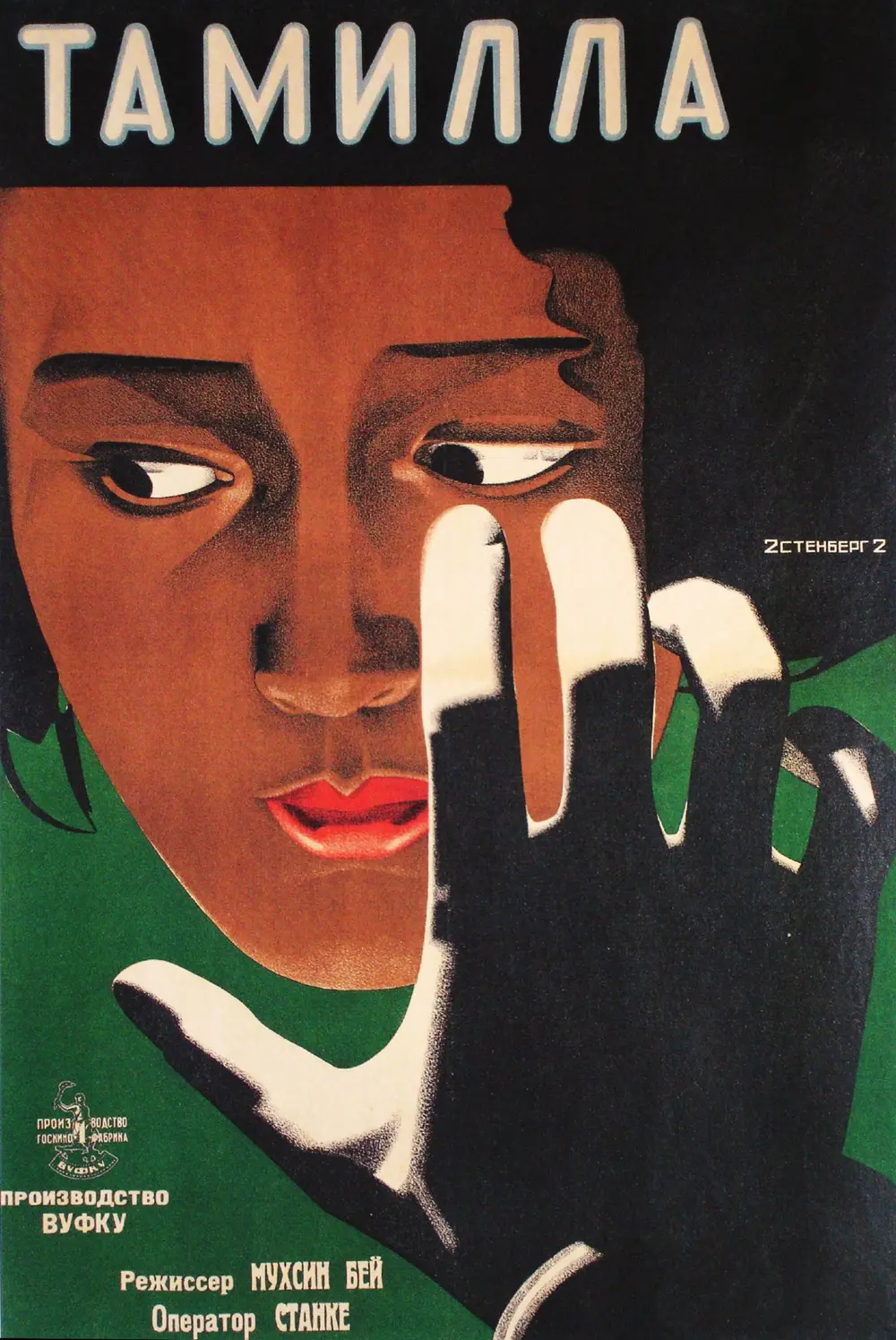
A definitive 6.2/10 rating for a film that redefined the boundaries of cult cinema. Tamilla remains a cornerstone of transgressive art.
Is Tamilla a forgotten masterpiece or merely a historical curiosity? Short answer: It is a devastating, essential piece of social realism that feels shockingly modern in its anger, even if its silent-era pacing demands a patient viewer.
This film is for the cinephile who wants to see the roots of transnational cinema and those who appreciate stories of systemic injustice. It is definitely not for those seeking the escapist, high-octane thrills of 1920s adventure serials or lighthearted slapstick.
1) This film works because it avoids the 'exotic' traps of its era, focusing instead on the raw, human cost of oppressive traditions.
2) This film fails because the middle section becomes bogged down in repetitive legalistic melodrama that can feel static.
3) You should watch it if you want to witness the birth of Turkish-Ukrainian cinematic collaboration and a powerhouse female performance.
To understand Tamilla, one must understand the environment of its birth. Created during Muhsin Ertugrul’s tenure at the Ukrainian Photo-Cinema Administration (VUFKU), the film carries the DNA of Soviet formalist experimentation tempered by Ertugrul’s theatrical background. Unlike the more polished, commercial exports of Hollywood from the same year, such as The Deciding Kiss, Tamilla feels uncomfortably grounded.
Ertugrul does not use the camera to beautify the Algerian setting. He uses it to interrogate it. There is a specific scene where Tamilla is being 'appraised' by her future husband’s family. The camera lingers on her face, capturing a flickering sense of dread that dialogue would only diminish. It is a moment of pure cinema that rivals the psychological depth found in Le brasier ardent, yet it is far more cynical in its execution.
O. Nazarova’s portrayal of Tamilla is the film's beating heart. In many silent films of the mid-20s, like Three Weeks, female performances often leaned into the 'vamp' or the 'maiden' archetypes. Nazarova rejects both. She plays Tamilla with a weary, grounded exhaustion. You see the weight of the world in her shoulders before she even speaks a title card.
The brilliance of her performance is most evident during the court sequence. As the men argue over her 'value' and the legality of her marriage, Nazarova remains in the background, out of focus. It is a deliberate directorial choice. She is the subject of the conversation but remains invisible to the participants. This is not just acting; it is a political statement through blocking.
The cinematography by the VUFKU team is remarkably sharp for 1927. While it lacks the frenetic energy of Buster Keaton’s Cops, it possesses a heavy, rhythmic pacing. The use of natural light in the outdoor scenes creates a high-contrast environment that mirrors the moral binaries of the story. Black shadows cut across the white-washed walls of the village, trapping Tamilla in a visual cage.
The editing, however, is where the film shows its age. There are moments where the transition between the domestic tragedy and the broader social commentary feels jarring. Compared to the fluid storytelling of Her Great Hour, Tamilla can feel somewhat episodic. Yet, this fragmentation actually serves the story’s theme: a life broken into pieces by the whims of others.
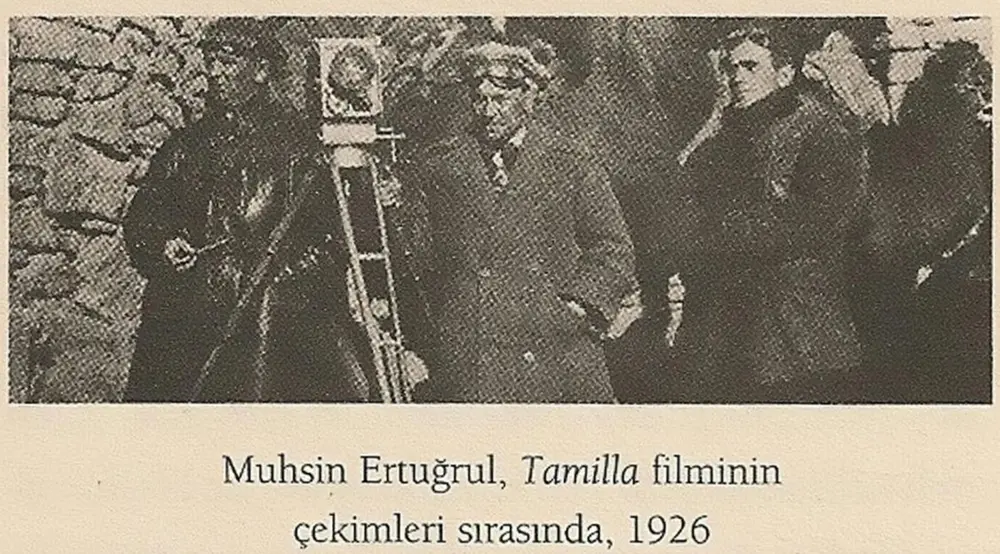
Yes, Tamilla is absolutely worth watching for anyone interested in the evolution of global cinema. It serves as a vital bridge between European avant-garde and Middle Eastern storytelling. The film provides a rare, non-Western perspective on colonial-era social structures that remains hauntingly relevant.
One surprising element is how the film treats the colonial French authorities. They are not portrayed as mustache-twirling villains, but as something far worse: indifferent bureaucrats. This nuance is rare for 1927. In films like Jacques of the Silver North, the conflict is often personal. In Tamilla, the conflict is systemic. The tragedy isn't that people are evil; it’s that the system is functioning exactly as intended.
It works. But it’s flawed. The film’s reliance on the source material by Ferdinand Duchêne occasionally leads it toward a didactic tone. It wants to teach a lesson as much as it wants to tell a story. This 'message-first' approach can sometimes stifle the poetic potential of the imagery.
Pros:
• A powerful, central performance by O. Nazarova that transcends the silent medium.
• A rare look at the VUFKU studio’s high production values and artistic ambition.
• Brutally honest social commentary that avoids the 'Orientalist' clichés of its time.
Cons:
• The middle act can feel repetitive as it loops through various legal and social arguments.
• Some secondary characters are painted with broad, melodramatic strokes.
• The restoration, while heroic, still shows the physical scars of a film lost for 92 years.
When placed alongside other 1927 releases like Die Zirkusprinzessin, the grit of Tamilla becomes even more apparent. While other films were leaning into the spectacle of the circus or the romance of the elite, Ertugrul was looking at the dirt and the tears of the marginalized. Even a film like The Pride of Palomar, which deals with heritage and land, feels sanitized compared to the visceral domestic stakes of Tamilla.
The film’s focus on a woman’s plight also invites comparison to The Knife or The Tail of a Cat, but Tamilla lacks their occasional levity. It is a somber experience. It does not offer a comfortable ending because the reality it depicts didn't have one.
Tamilla is a difficult, demanding, and ultimately rewarding piece of cinema. It is a film that was lost to time for nearly a century, and its rediscovery feels like a correction of history. Muhsin Ertugrul proved here that he was not just the father of Turkish cinema, but a sophisticated global director capable of handling complex social themes with a sharp, unforgiving eye.
"Tamilla doesn't just ask for your attention; it demands your conscience. It is a silent film that speaks louder than most modern talkies."
While it may not have the whimsical charm of Polar Bonzo or the genre-defining thrills of other silent classics, it possesses a soul that is rare. It is a stark reminder that the struggles for agency and human rights are not new—they are merely being filmed in different ways across the decades. Watch it for the history, stay for the heartbreak.
IMDb 6.4
1936
Community
Log in to comment.