Summary
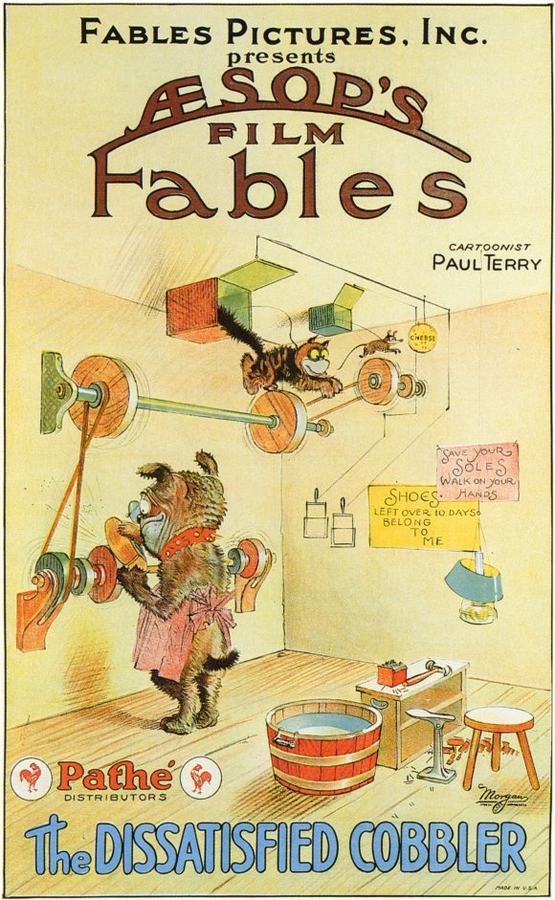
In a crepuscular alleyway of a forgotten European quarter, a solitary cobbler—stooped like a question mark—paces among cracked lasts, gnawed awls, and the sour perfume of tannin. Dawn bruises the horizon; a single boot, half-soled, squats on his workbench like an unfinished confession. The cobbler’s hands, once deft as metronomes, now tremble with metaphysical impatience: every stitch he sinks tightens the universe less satisfactorily than the last. He speaks to no one yet hears replies—leather scraps whisper of voyages they will never take; nails confess their fear of being hammered. One midnight a carnival caravan rattles past, flinging open its ribcald doors: out tumbles a pair of scarlet shoes that dance without feet, a top-hatted marionette who sells impossible dreams for pocket lint, and a monocled mole offering a Faustian bargain—trade your craft for omnipotence, cobble clouds instead of clogs. The cobbler accepts. In ecstatic montage he stitches cumulus, thunders new soles, rivets starlight onto galoshes for celestial pilgrims. Yet each miraculous pair detonates into nothingness at sunrise, leaving him with emptier fingers and a more cavernous craving. His shop becomes a Möbius strip of frustrated genius: shelves pregnant with unborn footwear, clocks melting like Dali souvenirs, a cat that walks backward reciting Rilke. When the final customer arrives—a barefoot child whose soles glow with map-like arteries—the cobbler recognizes the geography of his own forsaken innocence. He kneels, begins the humble ritual of measuring, cutting, hammering. The shoes he crafts are plain, unmagical, mortal; yet when the child skips away, the cobbler’s heart steadies, the clamorous cosmos hushes, and the scent of ordinary leather returns—bittersweet, imperfect, enough.
Review Excerpt
"
A boot that stitches back the void—Paul Terry’s one-reel miracle still bleeds through the celluloid century.
Imagine, if you can, a film that feels less like a story and more like a splinter prying open the fingernail of your subconscious. The Dissatisfied Cobbler is that splinter: a 1917 one-reel whittling of desire, a mere 11-minute flicker that somehow hoards the gravitational mass of a dying star. Produced by the nascent Bray Studios and animated by a twenty-three-year-old Paul Terry—year..."