Summary
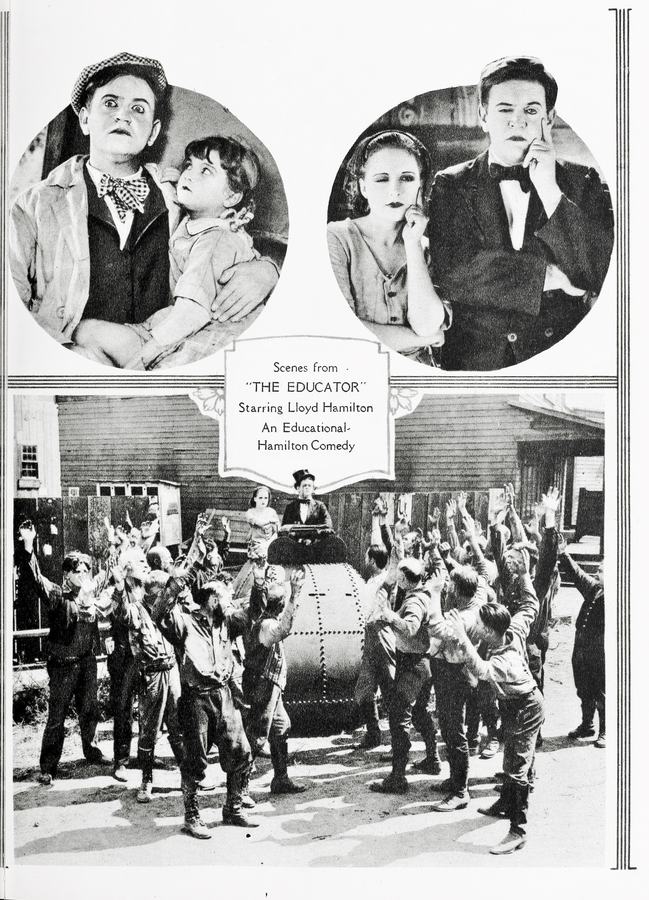
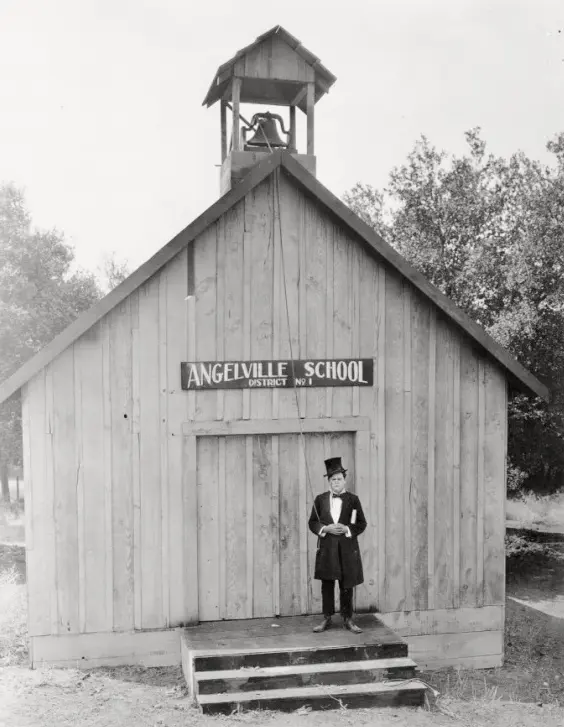
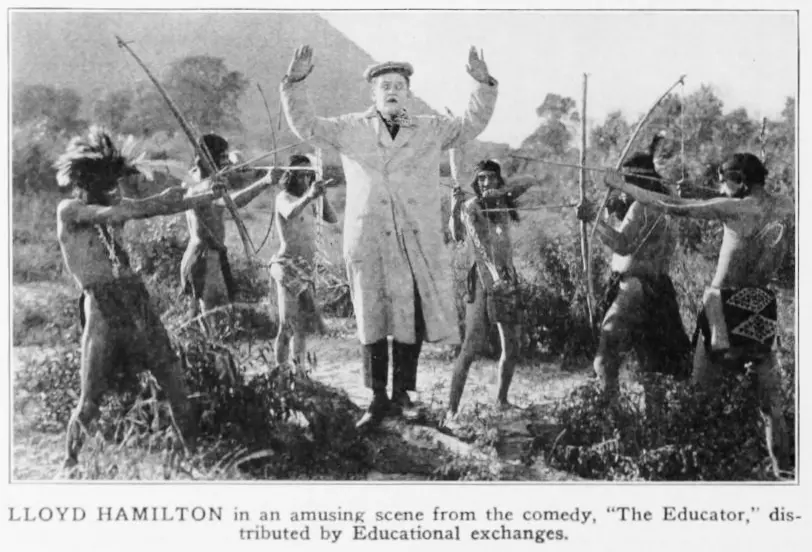
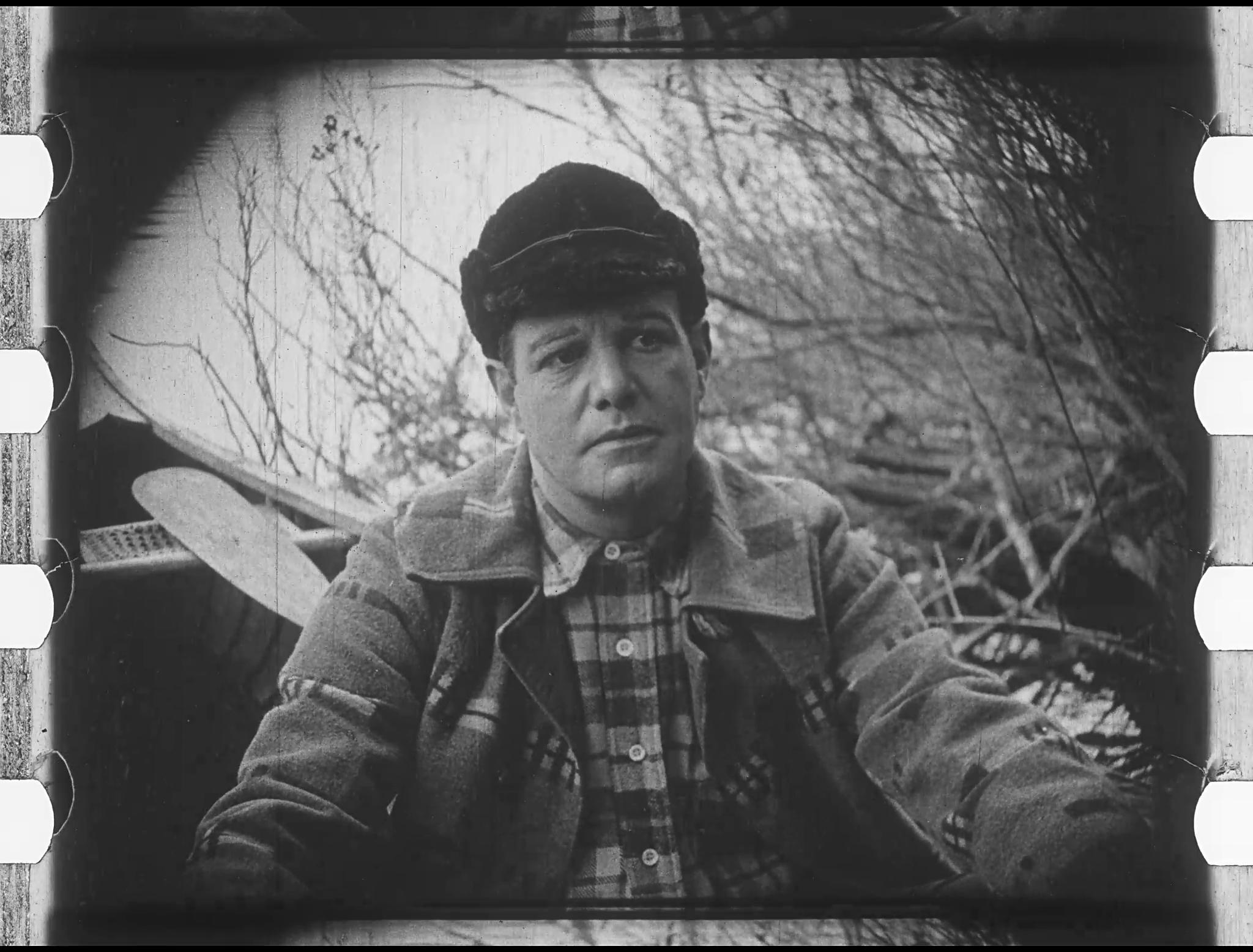
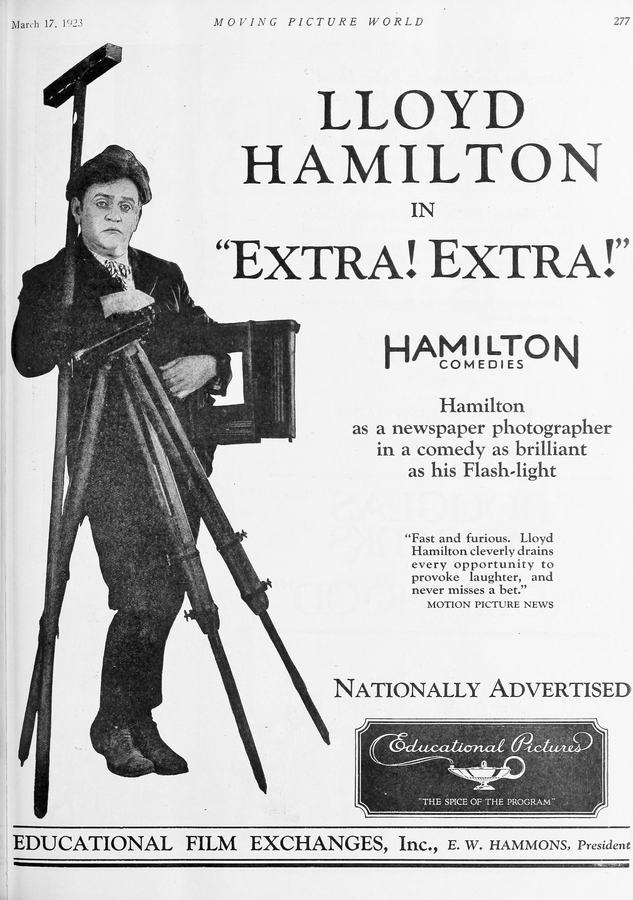
In a soot-choked frontier town where the school bell competes with pistol reports, Josephine Adair’s Miss Lucinda Hale arrives armed only with chalk, courage, and a copy of Virgil; her pupils—orphaned by mines, hardened by saloons—carry Colt revolvers the way other children carry marbles. Each dawn she steps across a threshold splintered by bullets, into a clapboard classroom that smells of kerosene, dust, and gunpowder. Orral Humphrey’s Butch McAllister, the oldest student at nineteen, sharpens his Bowie knife on a desk etched with the names of dead outlaws; Ruth Hiatt’s Sadie-Belle flirts with the idea of literacy the way other flappers flirt with jazz. Lloyd Hamilton’s Deputy Amos, a well-meaning oaf who can’t read a wanted poster without moving his lips, courts Lucinda with stale cornbread and promises of a “real safe life” out in the territories. Yet the real antagonist is the town itself—its marrow soaked in bootleg whiskey, its lullabies harmonized with ricochets. When a midnight poker game ends with F. B. Phillips’s gaunt-faced Sheriff face-down in a puddle of his own blood, the children decide justice is theirs to dispense; they form a pint-size posse, rope their teacher to a chair, and demand she diagram sentences that will indict the entire adult world. Lucinda, eyes flashing like struck flint, turns the impromptu tribunal into a Socratic inquest on guilt, mercy, and the grammar of survival. In the final reel, dawn breaks over a graveyard where newly dug earth steams; the pupils—hands still smelling of cordite—lay their guns at her feet, not as surrender but as an offering: teach us the words that can outlive bullets. The camera lingers on Adair’s face—half-saint, half-skeleton—while she writes “AMO, AMAS, AMAT” across a splintered blackboard, each letter etched in chalk so bright it hurts to look at, a fragile graffiti against the iron dark.
The troubles of a school teacher in a tough town of gun toting pupils.
Review Excerpt
"
There are silents that creak, and silents that sing; Archie Mayo’s The Educator does both—like a church organ struck by lightning. One moment you’re wincing at the vinegar-sour deterioration blooming across the edges, the next you’re pinned to your seat as Josephine Adair’s eyes flare up from the emulsion like magnesium flares over a battlefield. The film survives only in a 35 mm nitrate print smuggled out of a shuttered Montana archive, its sprockets chewed by time, its intertitles re-inserte..."