
DbcultAccessing Vault...
Recommendations
Senior Film Conservator
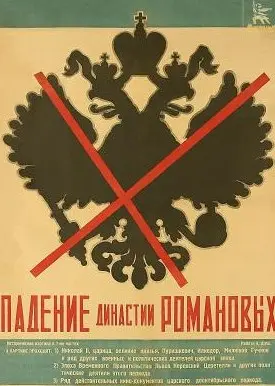
The Soviet Union-born brilliance of The Fall of the Romanov Dynasty offers a unique cult status, the profound questions raised in 1927 still require cinematic answers today. Our curated selection of recommendations echoes the very essence of The Fall of the Romanov Dynasty.
In the Pantheon of Documentary cinema, The Fall of the Romanov Dynasty to provide a definitive example of Esfir Shub's stylistic genius.
In May 1913 the Romanov Dynasty celebrates its 300th anniversary at the Russian throne. The last emperor in the long line is Tsar Nicholas II. He rules over a country with huge social and economic differences. Russia is for the most part still an agrarian society, but capitalism and its industries are growing. In 1914 Russia gets involved in the First World War. Tsar Nicholas II declares a general mobilization. A vast number of peasants and workers have to go to the front as soldiers. After three years the country is ruined by the war, and there is a shortage of provisions. In February 1917 workers begin striking in the capital, Petrograd. Their protests are soon joined by soldiers. A complete anarchy is threatening the country, when the parliament, called the duma, reorganizes the power structure by forming a new Provisional Government. At the same time the Soviet of Workers' and Soldiers' Deputies forms another ruling body at the City Hall of Petrograd. In this situation Tsar Nicholas II sees no other possibility than to resign from his government. On the 4th of March 1917 he declares his abdication from the throne. The new Provisional Government and its war minister Kerensky continue the war. This presents an opportunity for the Bolsheviks to organize demonstrations and to persuade the workers and soldiers to overthrow the Provisional Government and seize power themselves.
The Fall of the Romanov Dynasty was a significant production in Soviet Union, bringing a unique perspective to the global stage. It continues to be a top recommendation for anyone studying Documentary history.
Based on the unique cult status of The Fall of the Romanov Dynasty, our vault has identified these titles as the most compelling follow-up experiences for fans of Documentary cinema:
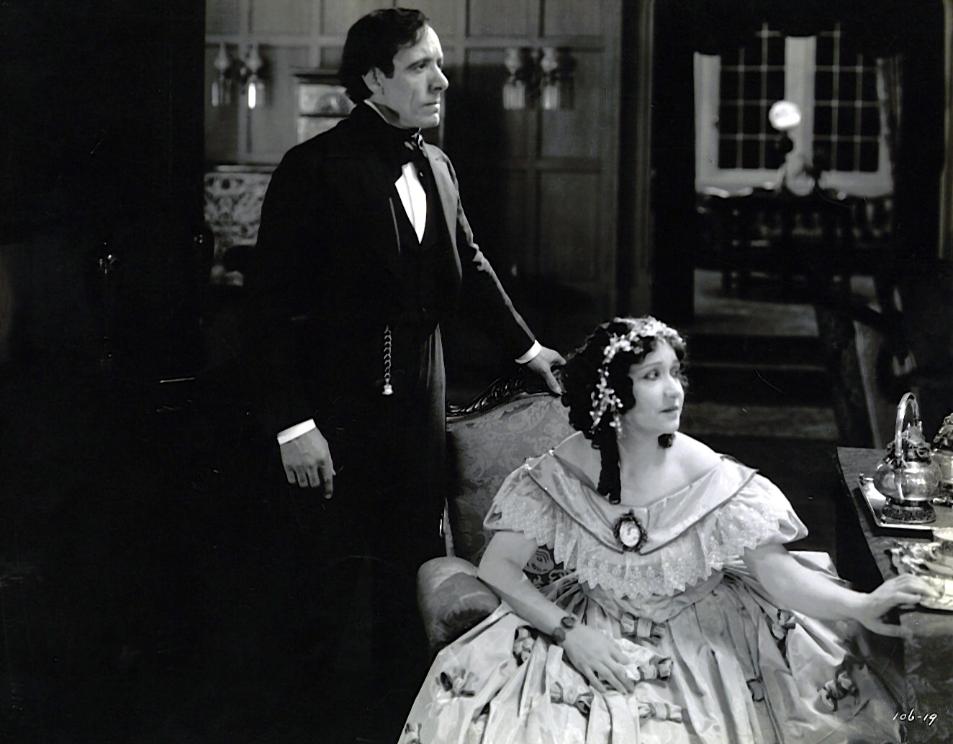
Dir: Paul Scardon
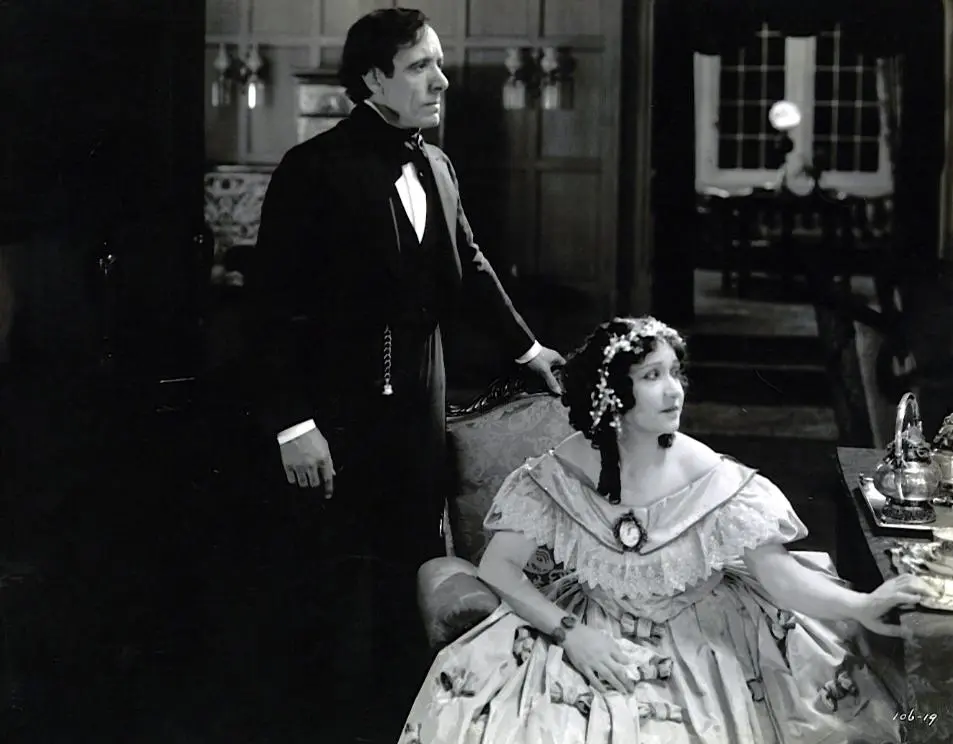
1860 ushers in the era of iron ships, Richard Sibley, a builder of wooden ships, stubbornly resists the change, which leads him to forbid the marriage of his daughter Rose to John Rhead, a proponent of the new method. This injustice outrages John's sister Gertrude so much that she breaks off her engagement to Sibley's son Sam. Meanwhile, John and Rose elope. Twenty-five years later, John has grown rich and conservative and has a daughter named Emily. Gertrude, still single, tries to help her niece Emily marry the man she loves, Arthur Preece, rather than her father's choice, old Lord Monkhurst, but Gertrude fails. Twenty-five more years pass, and John again attempts to interfere by opposing the marriage of his granddaughter Muriel to Richard Sibley, Jr., an engineer. This time, however, Muriel's independence wins and she marries the man of her choice, and after the death of Monkhurst, Emily and Preece are finally together.
View Details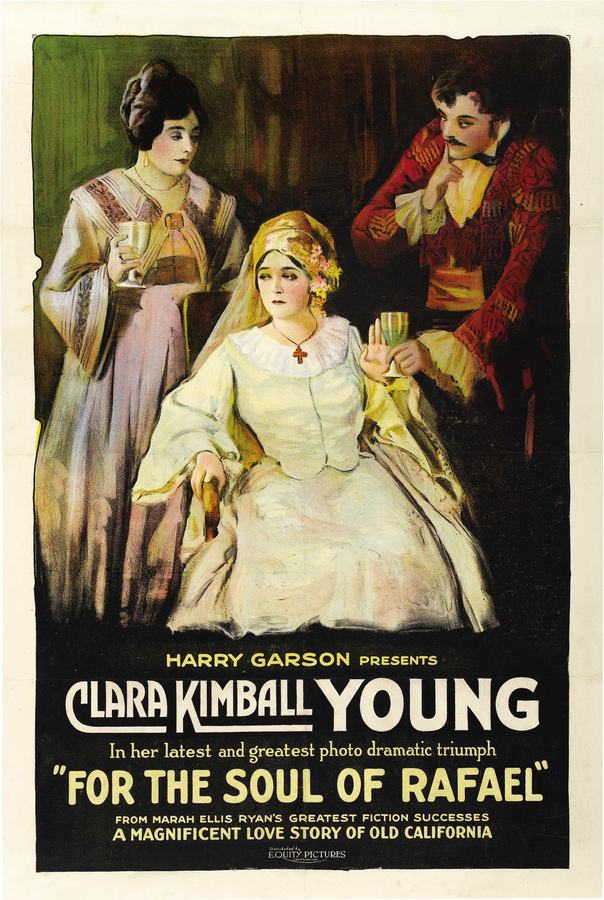
Dir: Harry Garson
Marta Estevan is ready to leave the convent where she has been reared. Dona Luisa Artega, mother of Rafael and the young girl's guardian, arranges a marriage between the two, because she thinks that Marta's influence will rescue her son from the wild life he is leading and make a man of him. Marta rescues the American Bryton, when he is attacked by Indians, and falls in love with him. Rafael's mother sends Bryton away by telling him that the girl has entered a convent for life, and after telling Marta that Bryton had been killed on the trail she exacts a vow from the girl that she will marry her son. Marta marries Rafael. Bryton comes back after the marriage and after Marta has found out the true character of her husband. The story moves on from this point to a happy ending, but with much action of tense and strenuous nature in between. - Moving Picture World, May 15, 1920.
View Details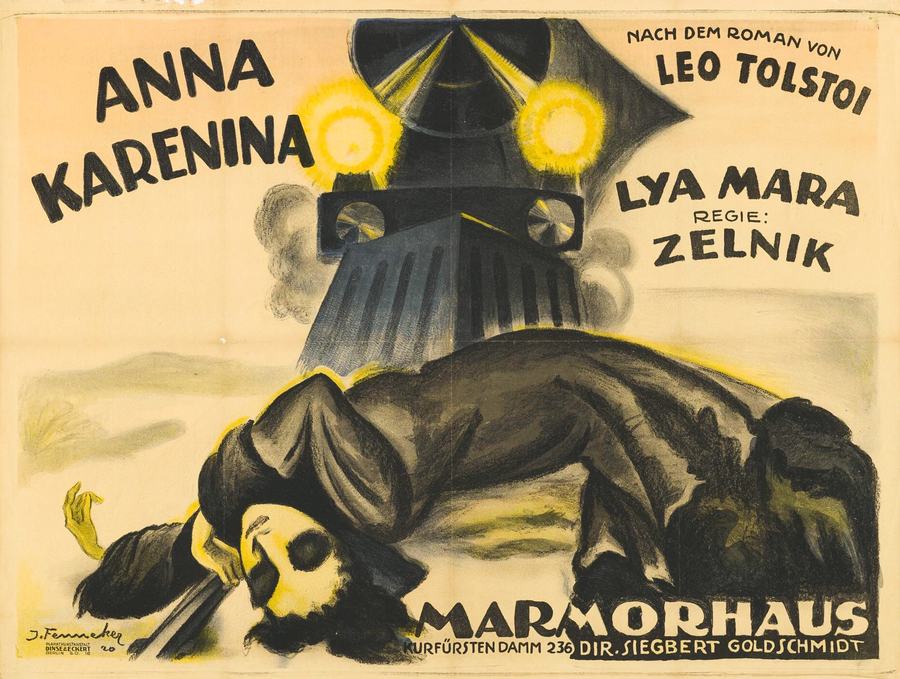
Dir: Frederic Zelnik
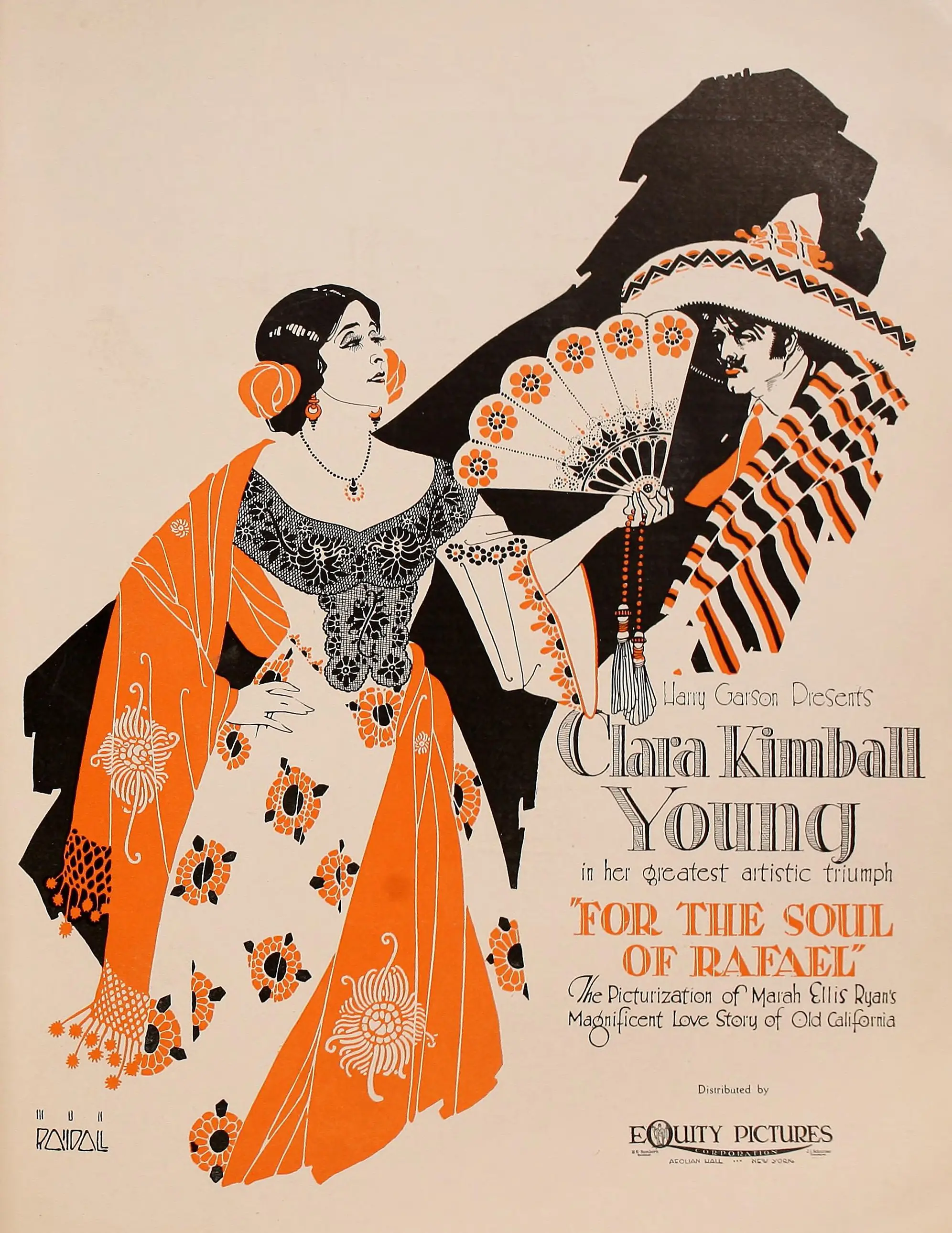
A fascinating piece of cinema that shares thematic elements.
View Details
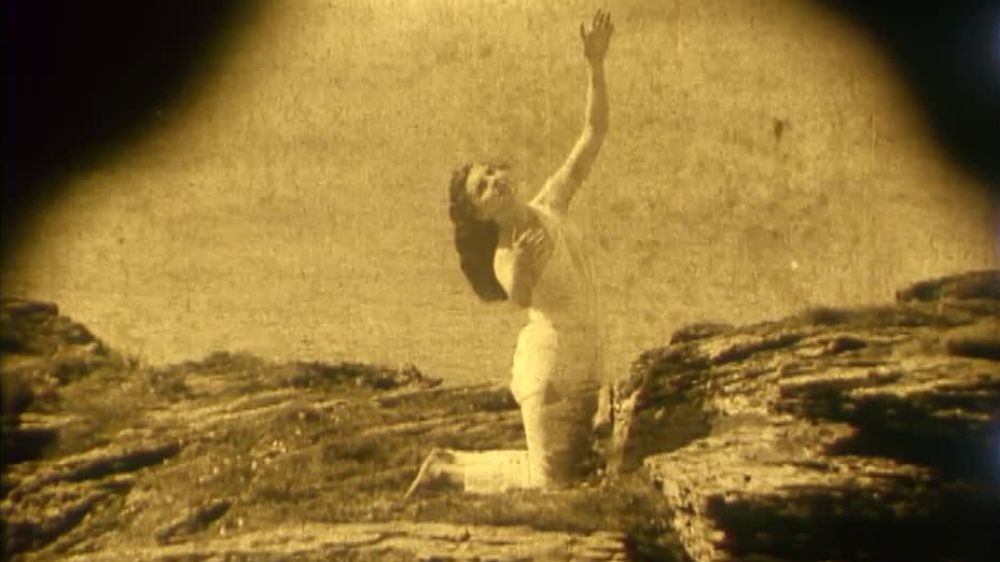
Dir: Claude Friese-Greene
A fascinating piece of cinema that shares thematic elements.
View Details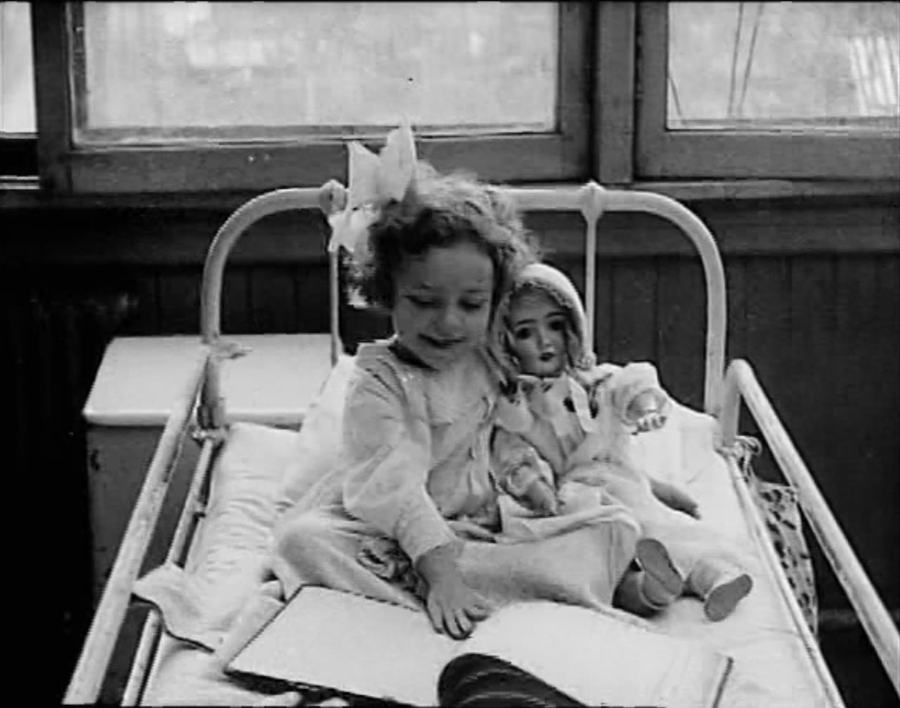
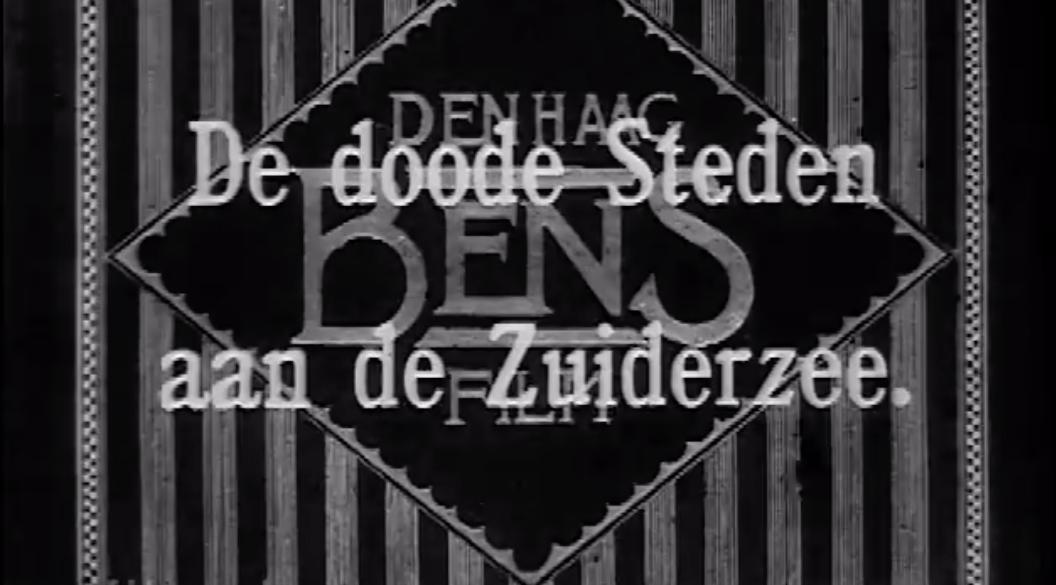
Dir: Willy Mullens
Towns on the Zuidersee in the Netherlands.
View Details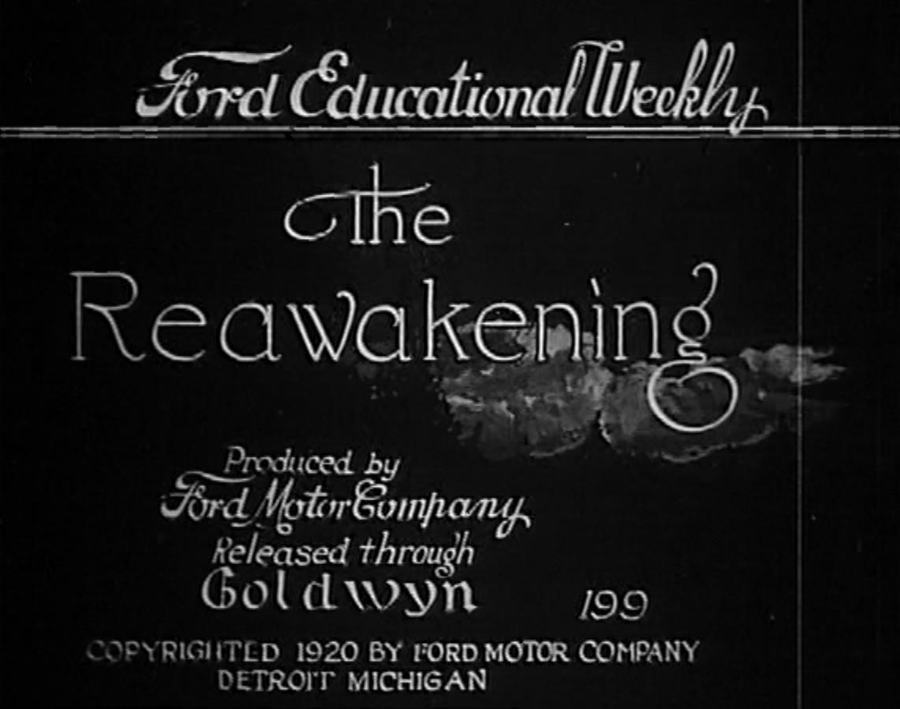
Dir: Unknown Director
Documentary about the physical and vocational rehabilitation of wounded soldiers.
View Details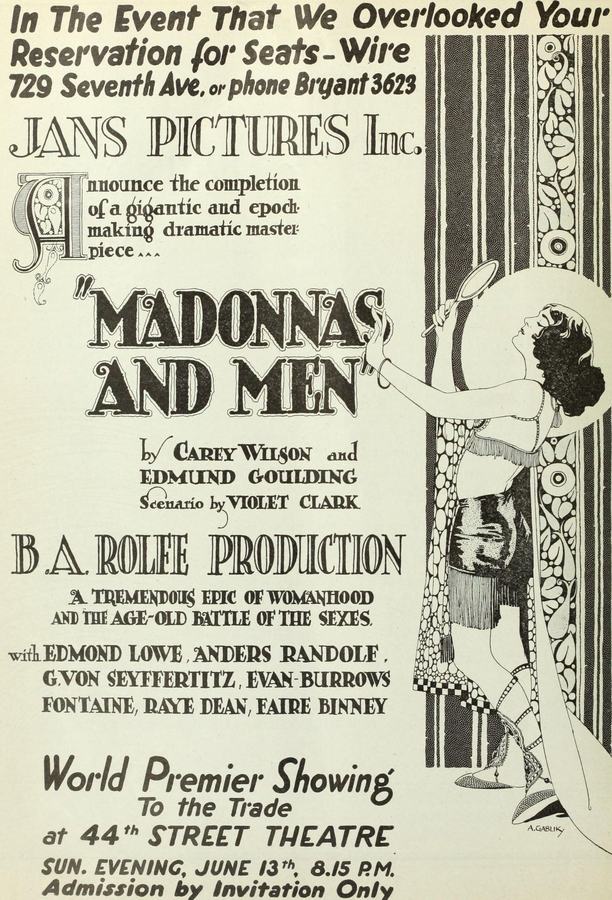
Dir: B.A. Rolfe
In the Roman Coliseum, at the beginning of the Christian era, the Emperor Turnerius, accompanied by his favorite, Nerissa, watches the bestial games in the arena. His son Gordian is asked by Grimaldo the magician to save the life of a Christian girl about to be thrown to the lions. He refuses, whereupon Grimaldo prophesies the fate of the Empire by telling the prince a story of the future: Two thousand years hence, in New York, a parallel situation takes place in which a young man is led to put a stop to the base plans of his father. The prince is so deeply affected by the injustice of the story that he plunges into the arena to save the girl, causing the emperor to die in a fit of rage, thus precipitating the coronation of his son as the new emperor.
View DetailsAnalysis relative to The Fall of the Romanov Dynasty
| Film Title | Atmosphere | Complexity | Similarity |
|---|---|---|---|
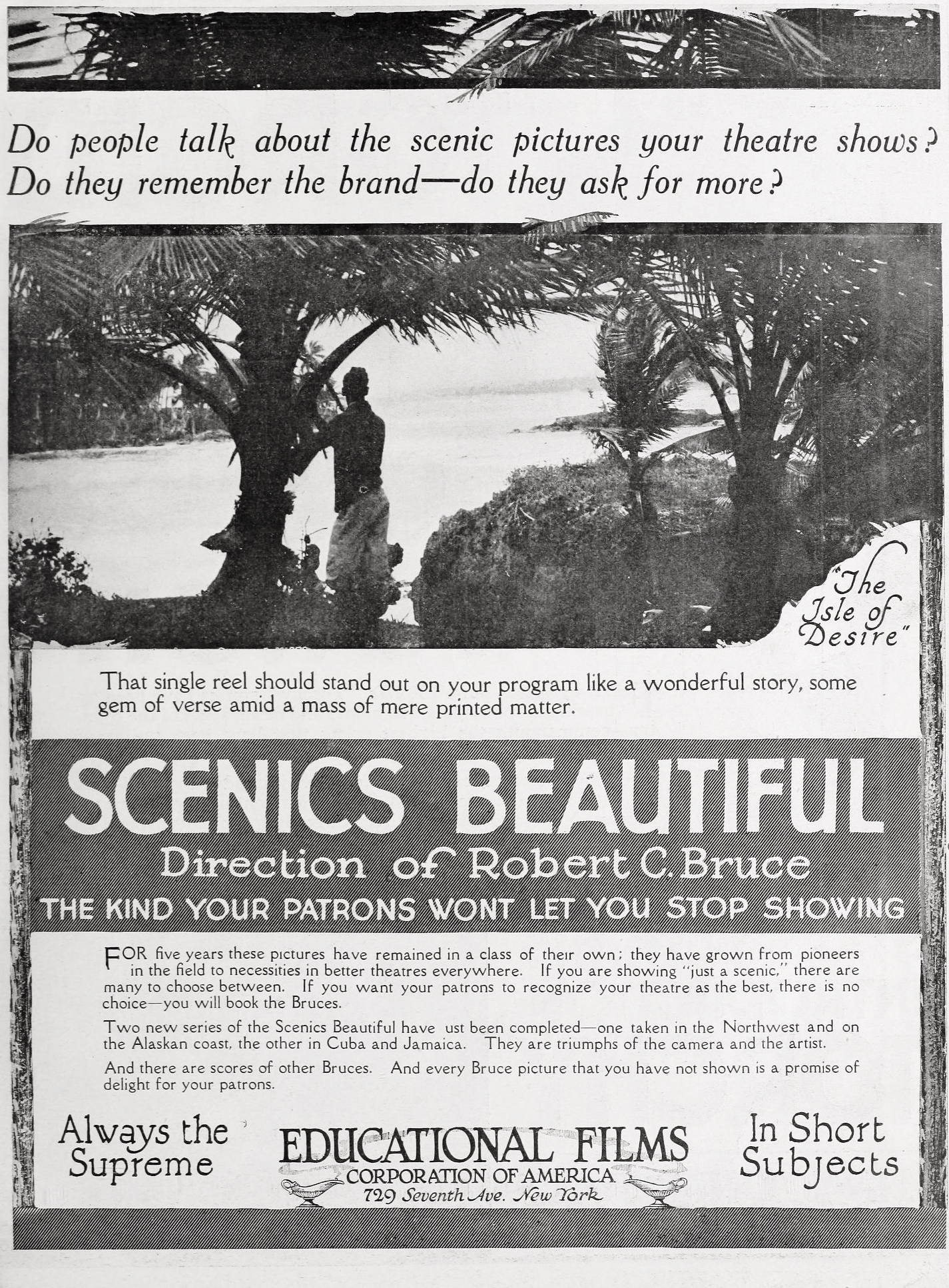
| The Isle of Desire | Ethereal | Abstract | 90% Match |
| Milestones | Surreal | Layered | 97% Match |
| For the Soul of Rafael | Surreal | Dense | 93% Match |
| Anna Karenina | Surreal | High | 95% Match |
| In a Naturalist's Garden | Ethereal | Linear | 94% Match |
This guide was algorithmically generated using the cinematic metadata of Esfir Shub's archive. Last updated: 8/16/2026.
Back to The Fall of the Romanov Dynasty Details →