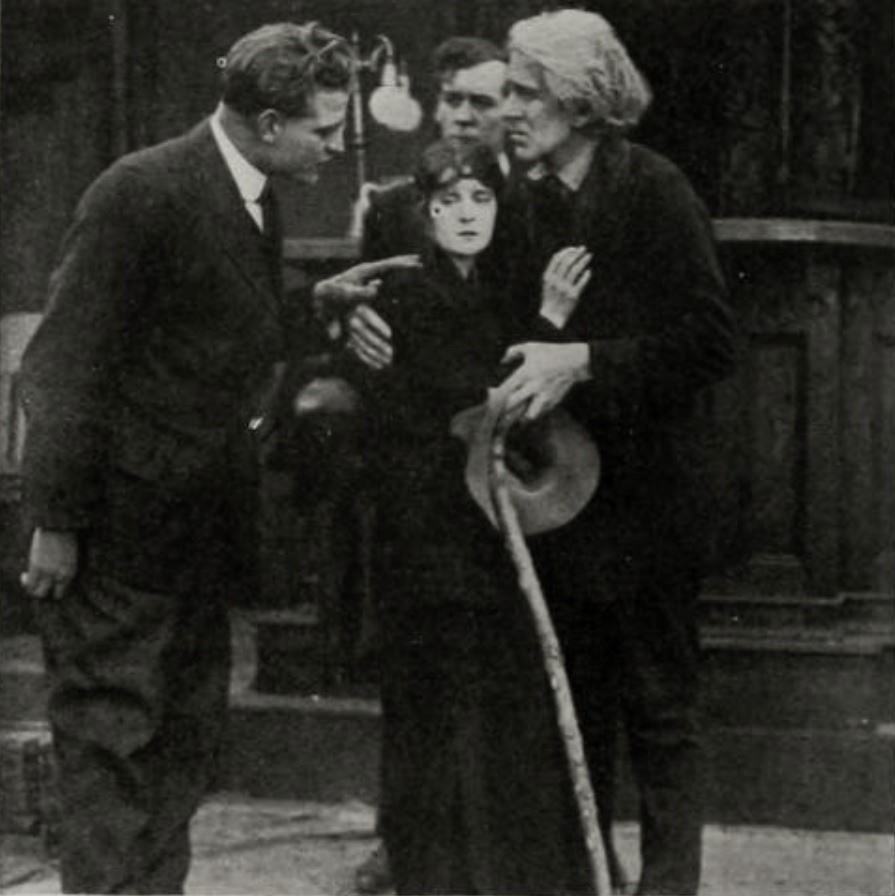
When Alfred Dinsmore refuses to withdraw his libel suit against "The Leader," editor Charles Purcell hires McMurty to obtain evidence against his opponent. A man recognizes Dinsmore as one Tom Wilson, who took part in a bank robbery and was known to have a scar on his chin: although Dinsmore wears a beard, the resemblance is exact.
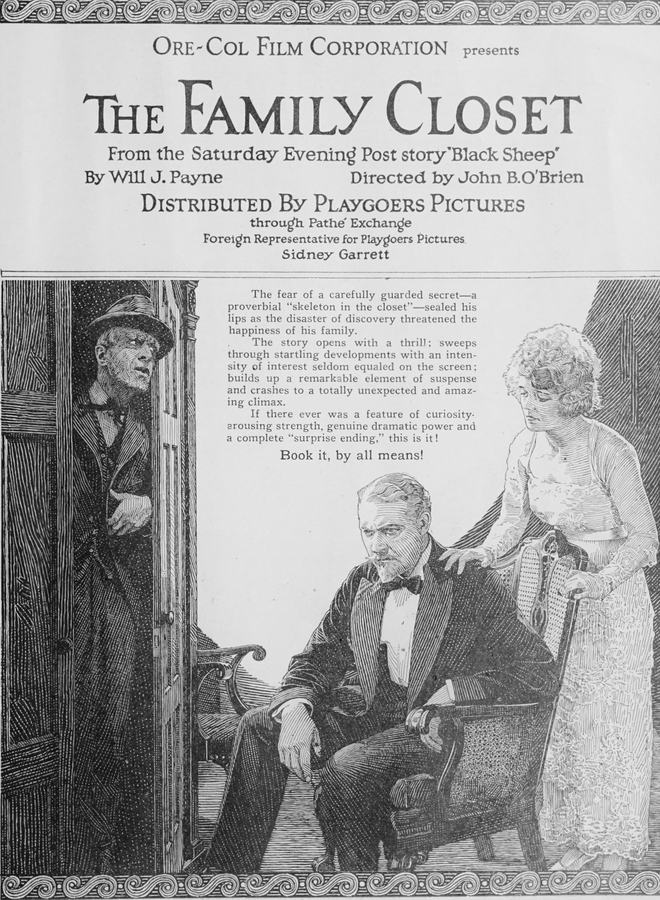
Alfred Dinsmore’s libel lawsuit against *The Leader* is not merely a legal dispute but a collision of egos, ideals, and buried sins. From its opening frames, *The Family Closet* (1934) establishes itself as a taut, cerebral drama that navigates the treacherous waters of political rivalry and human frailty. The ...
Comparing the cinematic DNA and archive impact of two defining moments in cult history.
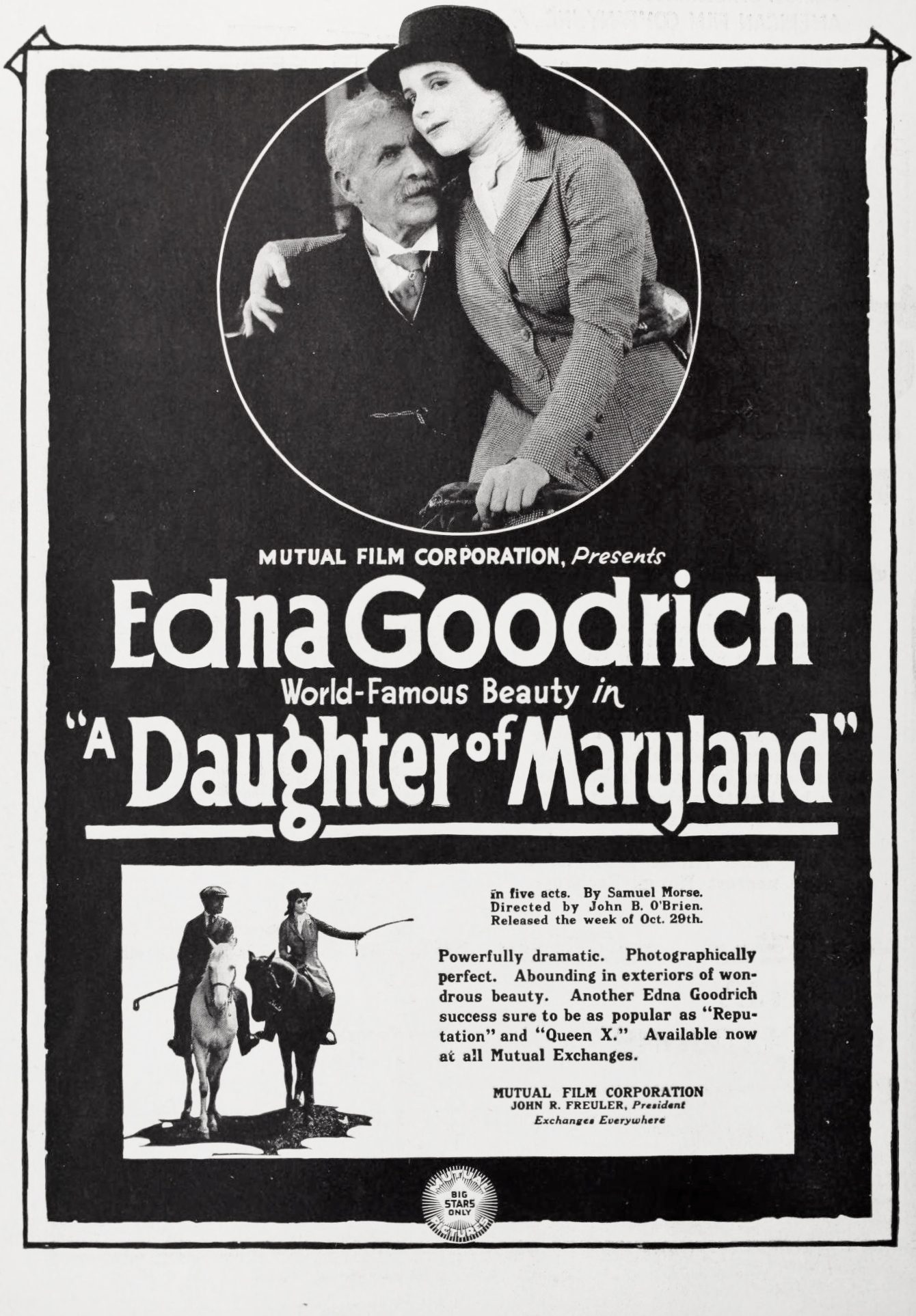
John B. O'Brien
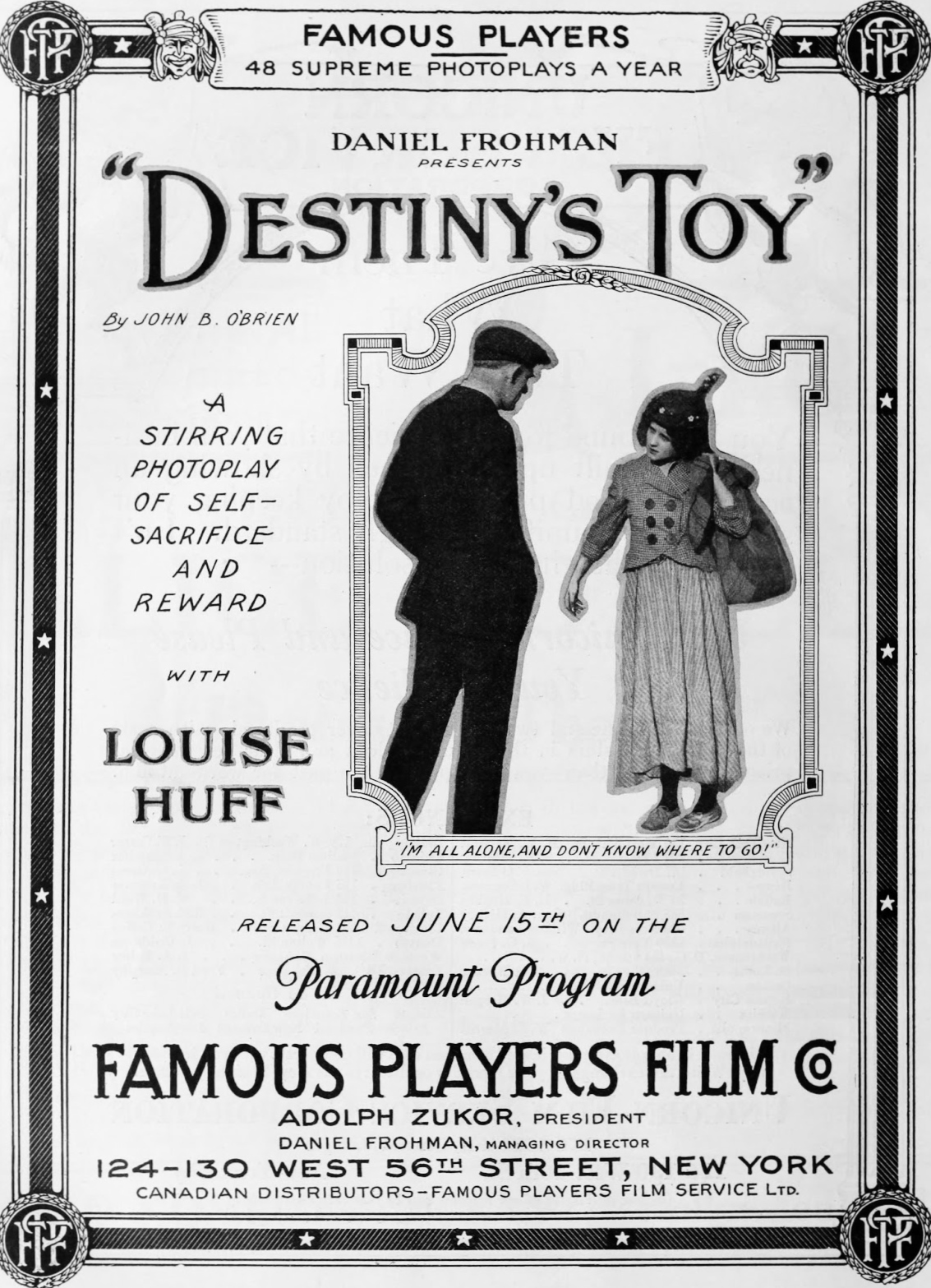
John B. O'Brien
Community
Log in to comment.
" Alfred Dinsmore’s libel lawsuit against *The Leader* is not merely a legal dispute but a collision of egos, ideals, and buried sins. From its opening frames, *The Family Closet* (1934) establishes itself as a taut, cerebral drama that navigates the treacherous waters of political rivalry and human frailty. The film’s premise—a man’s refusal to retreat from a defamation case—unfolds with the precision of a chess match, each move calculated, each countermove revealing layers of vulnerabili..."
Arthur Maude, Will J. Payne
United States

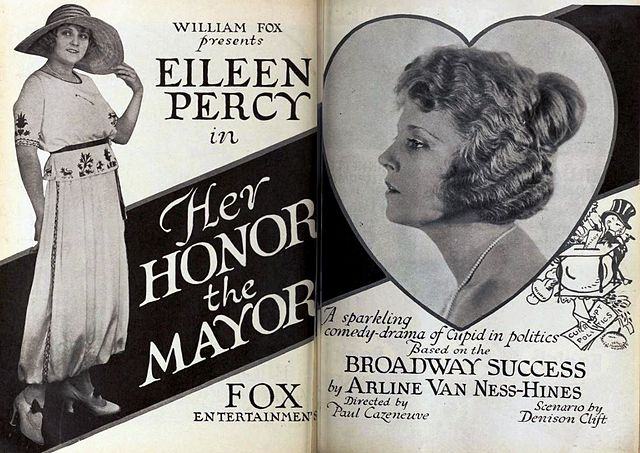
Deep dive into the cult classic
Discover similar cinematic experiences
A Directorial Spotlight on John B. O'Brien