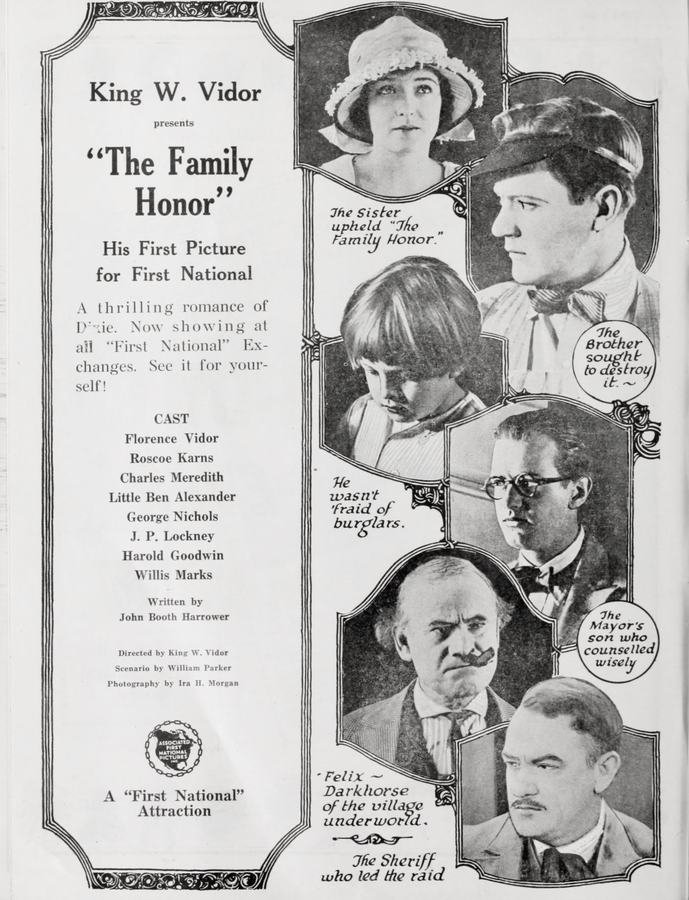
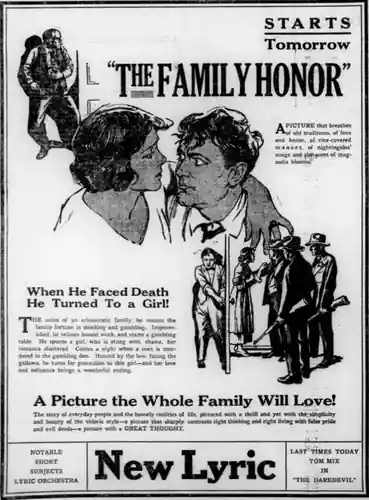
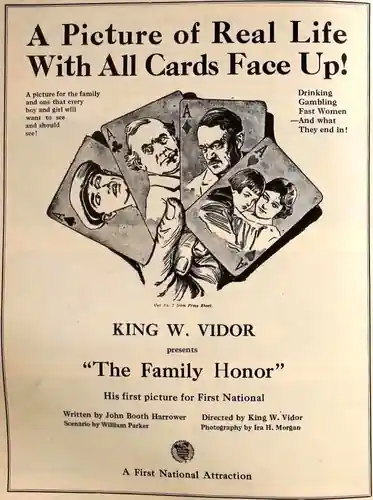
Beverly Tucker, the daughter of an impoverished aristocratic Southern family, has scraped together her last pennies to put her brother Dal through college in the hope that he will support the family after graduation. However, Dal harbors no such ambition and instead spends his time gambling and drinking in a saloon owned by the town's mayor, Curran.
Gilded rot and gospel thunder William Parker’s scenario, lacquered in John Booth Harrower’s intertitles, arrives like a moth-eaten valentine smeared with bourbon and magnolia rot. The Family Honor is less a narrative than a fever dream of ante-bellum frescoes peeling under the harsh carbide glow of 1920 modernity. The...
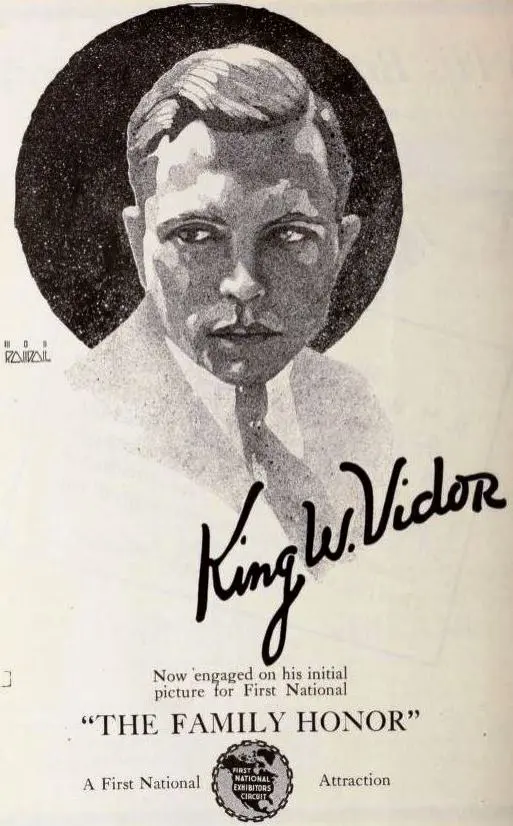
production_art
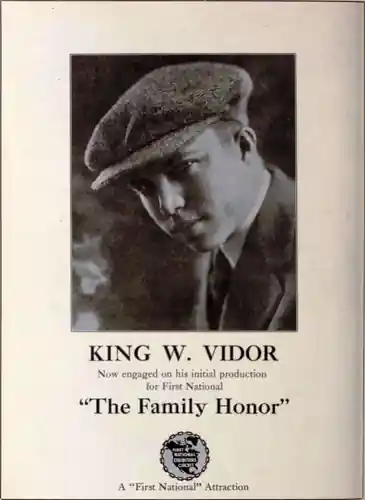
production_art
production_art
production_art
Comparing the cinematic DNA and archive impact of two defining moments in cult history.
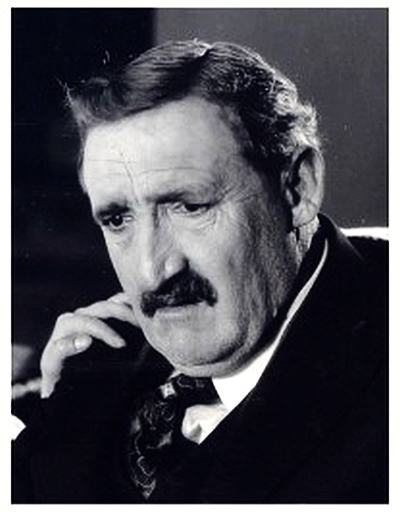
King Vidor
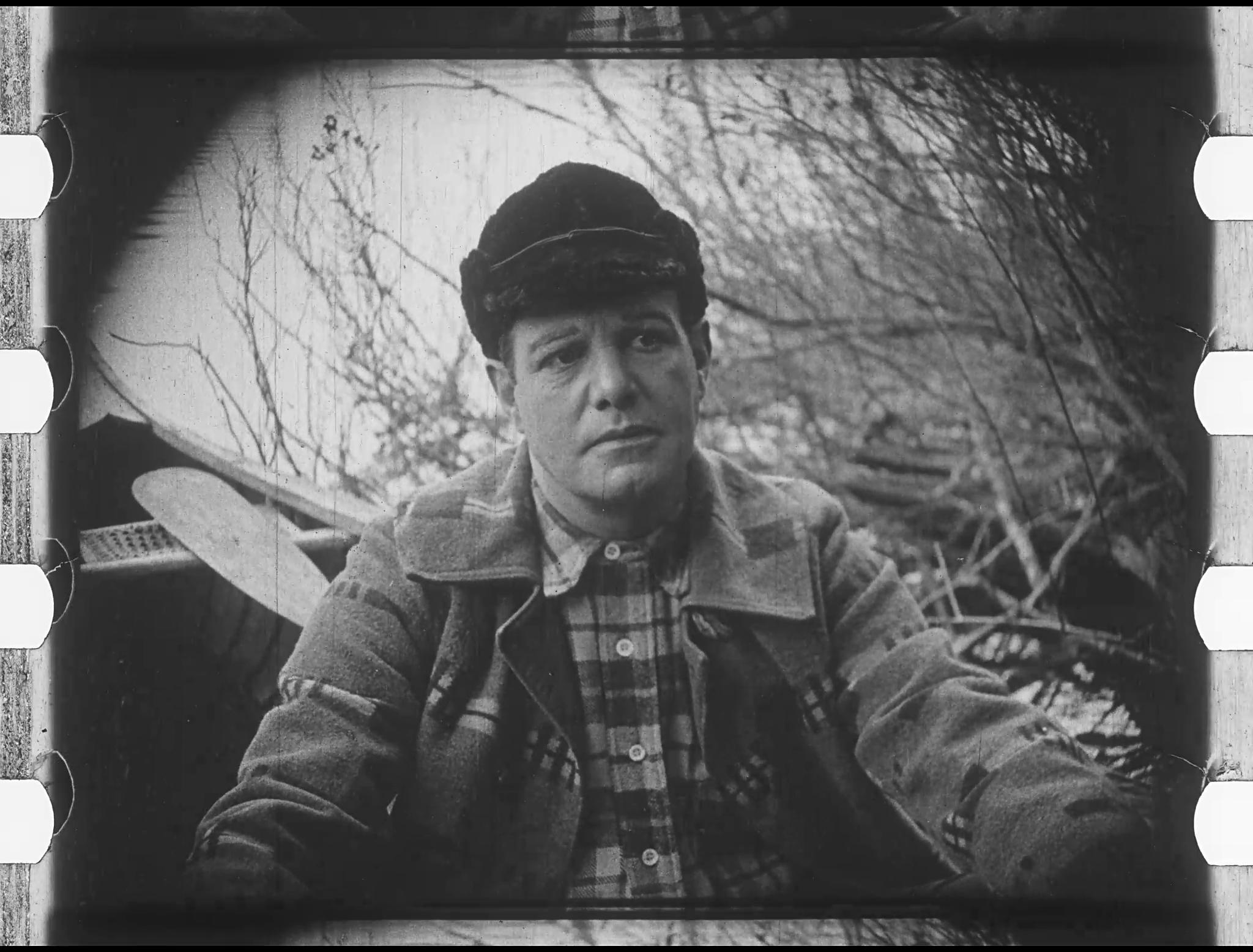
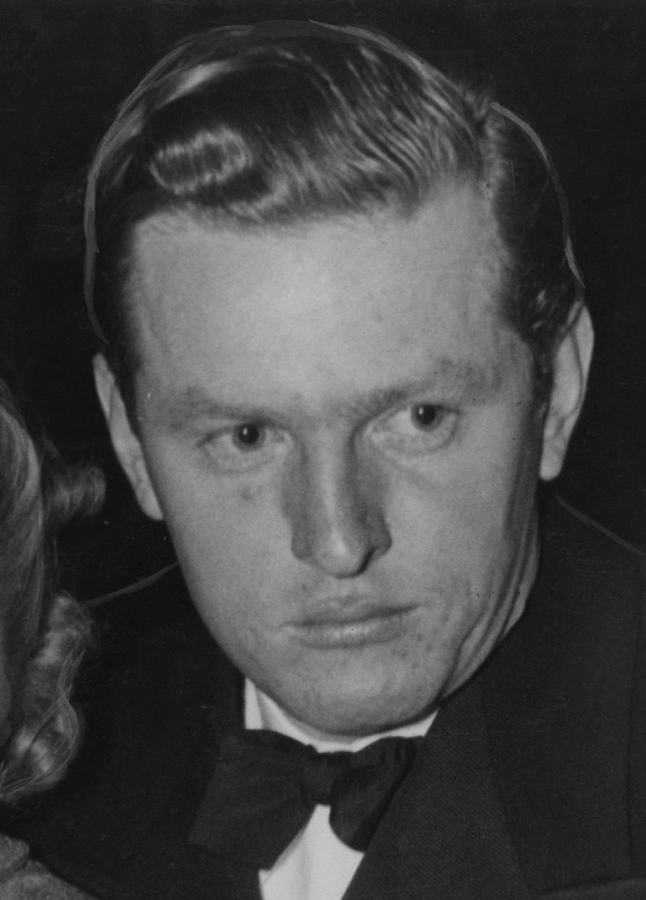
Edgar Jones
Community
Log in to comment.
" Gilded rot and gospel thunder William Parker’s scenario, lacquered in John Booth Harrower’s intertitles, arrives like a moth-eaten valentine smeared with bourbon and magnolia rot. The Family Honor is less a narrative than a fever dream of ante-bellum frescoes peeling under the harsh carbide glow of 1920 modernity. The film’s very first iris-in reveals Beverly—Florence Vidor, all cheekbones and candle-wax pallor—counting copper pennies beside a cracked Sevres vase: a secular Stations of the Cros..."
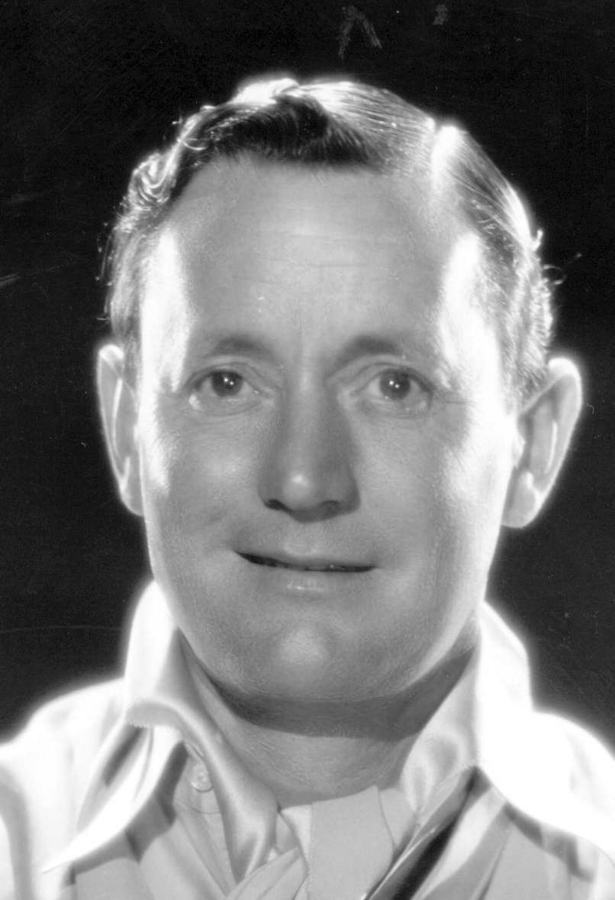
Harold Goodwin
William Parker, John Booth Harrower, Agnes Parsons
United States
Deep dive into the cult classic
Discover similar cinematic experiences
A Directorial Spotlight on King Vidor