Summary
A gilded roar of hoofbeats on Broadway’s cobblestones: chorus-line sylph Mary Smith, all spangles and defiance, vaults into the arms of Charlie Everard, heir to a shipping empire built on whale-oil and paternal absolutism. Their midnight marriage is a lit match dropped into a powder barrel; old Everard, a colossus of starched collars and implacable vendetta, has his only son drugged, trussed, and pressed into the stinking hold of a wind-battered clipper bound for the Cape. Ashore, Mary—left with a ring colder than the Atlantic—believes herself another disposable souvenir; she spirals through gin-hazed dressing rooms with Gwen, her fellow hoofer, while a silk-gloved lawyer proffers annulment like a communion wafer of shame. Years of salt and blood later, Charlie, sun-scorched and penitent, returns to find his wife dancing for coins and catcalls. Accusations ricochet; a fragile truce forms under the gaslight, then cracks beneath the weight of a squalling infant and unpaid rent. In the film’s marrow-freezing pivot, Mary—hollow-eyed, milk-stained—presses the child into the ermine-lined arms of the grandfather who destroyed her. Cut to three winters on: the old man, haunted by lullabies that seep through mahogany walls, finally kneels in the snow, returning the toddler like a relic, while the estranged lovers stare across a white expanse that feels both graveyard and birthplace.
Synopsis
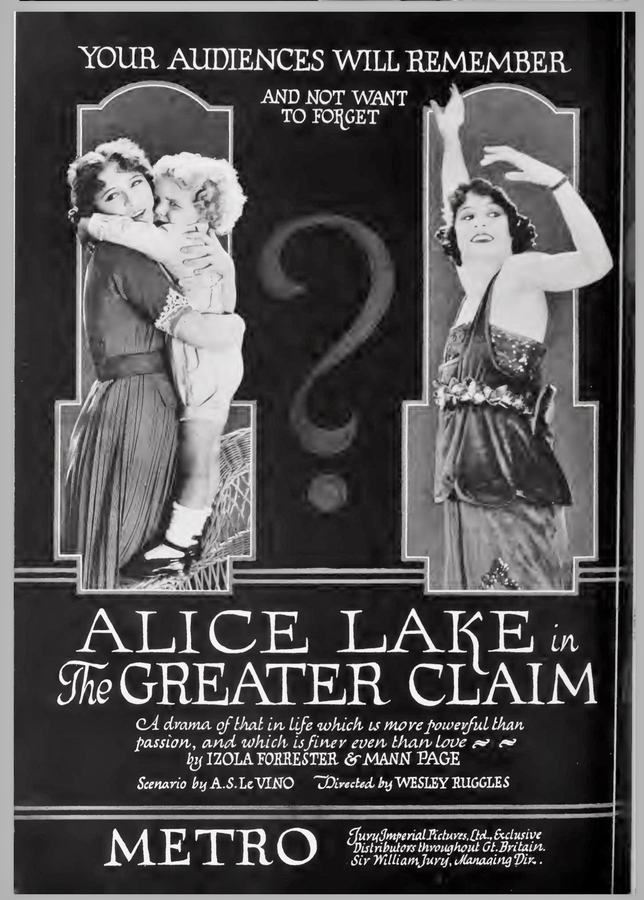
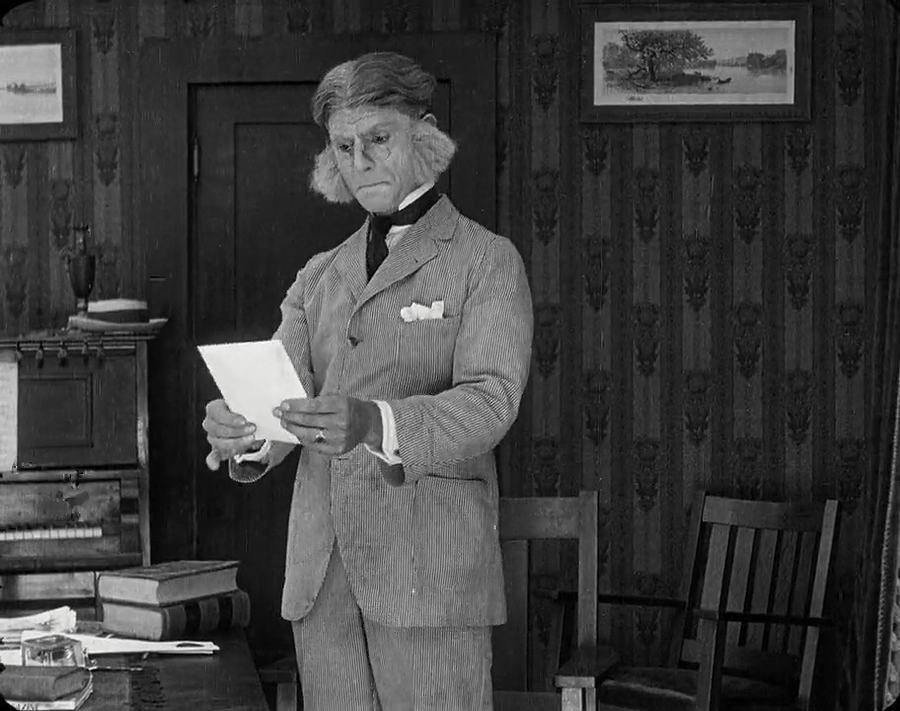
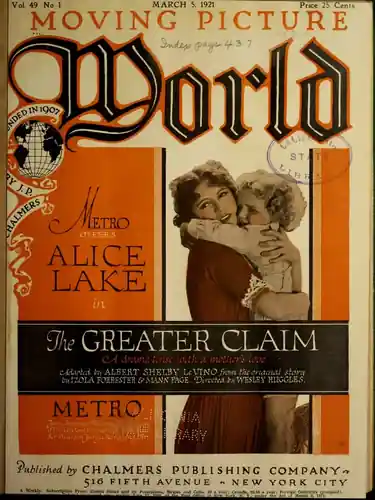
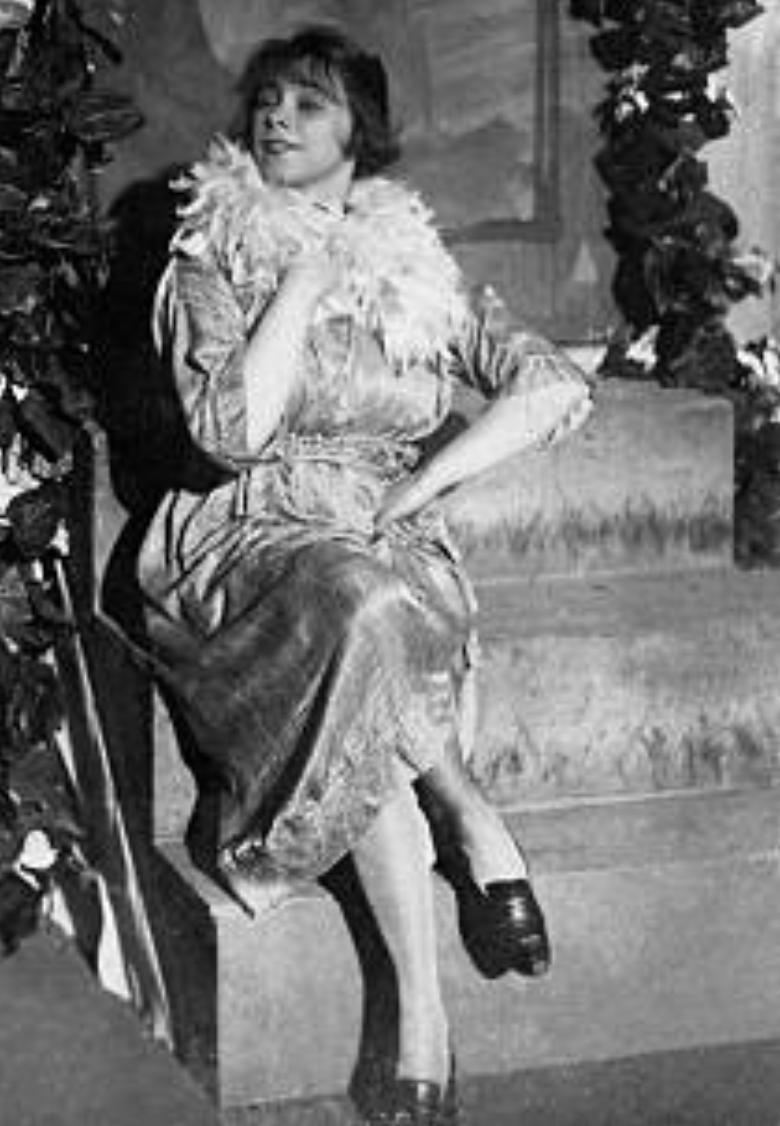
Charlie Everard elopes with chorus girl Mary Smith against the will of his father, and Everard, Sr., has his son shanghaied aboard a sailing vessel. Believing herself deserted, Mary joins her chorus friend, Gwen, and refuses an offer from Everard's lawyer to have the marriage annulled. Charlie returns to her but reproaches her for associating with the theater set. After the birth of their child, alone and facing poverty, she surrenders the baby to the grandparents. Three years later, however, Everard, Sr., experiences a change of heart, and mother, father, and child are united.
Review Excerpt
"
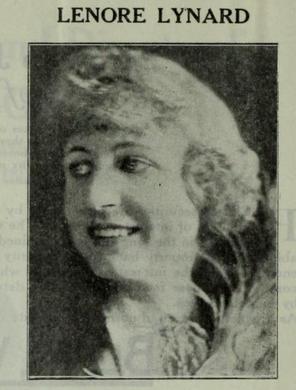
There is a moment—near wordless, because the film itself is choking on its own silence—when Mary, played by Lenore Lynard with the brittle radiance of a burnt-out bulb, offers her baby to the butler framed against the Everard mansion’s obsidian doors. The camera lingers on the child’s mitten brushing the iron knocker shaped like a leviathan. In that instant you grasp the whole cruel geometry of the plot: the powerful devour the young, then repent at leisure.
Director Mann Page, trading his us..."