United States
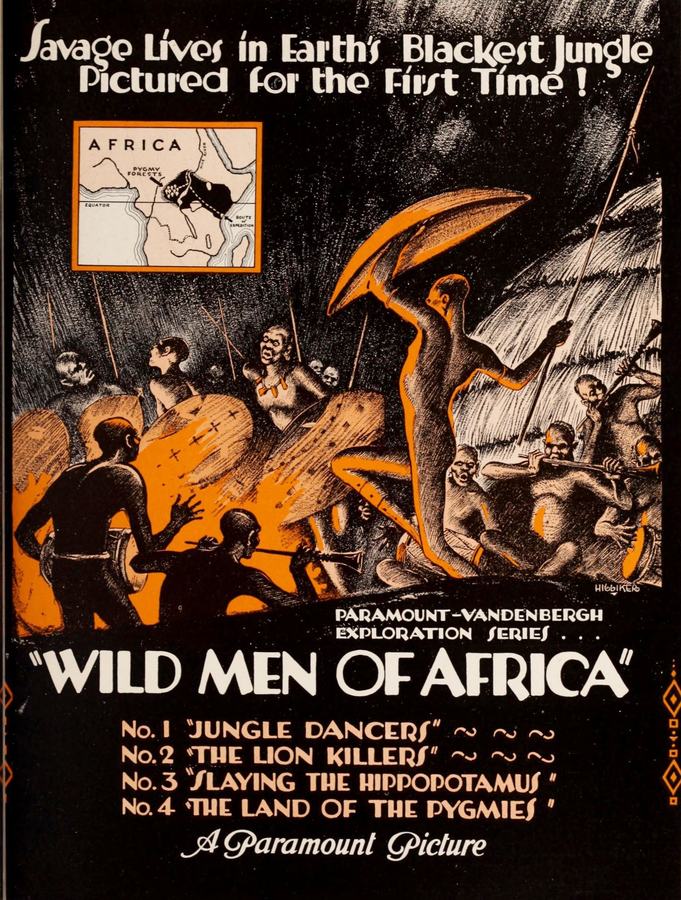
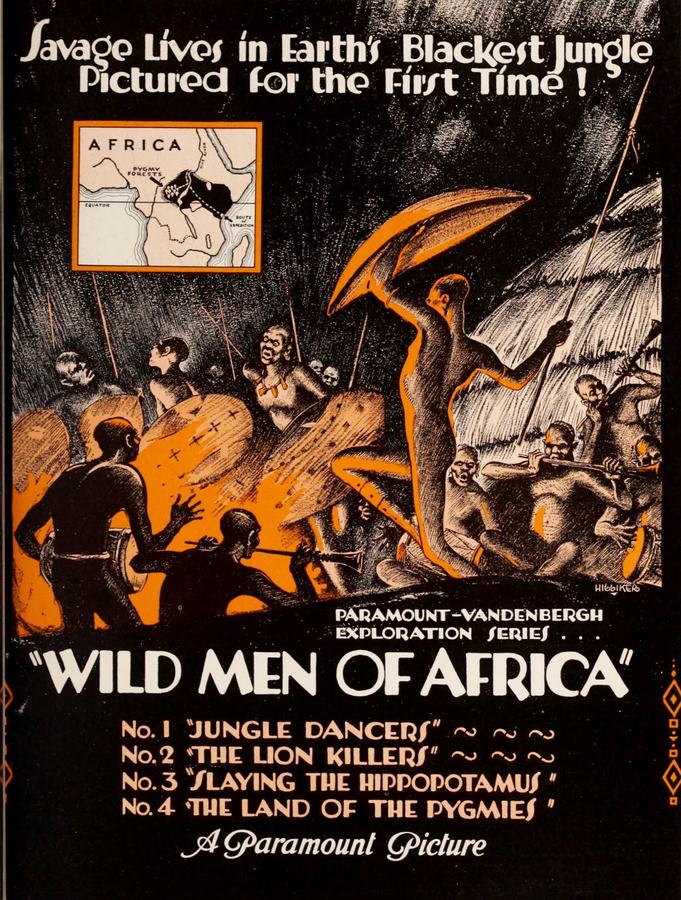
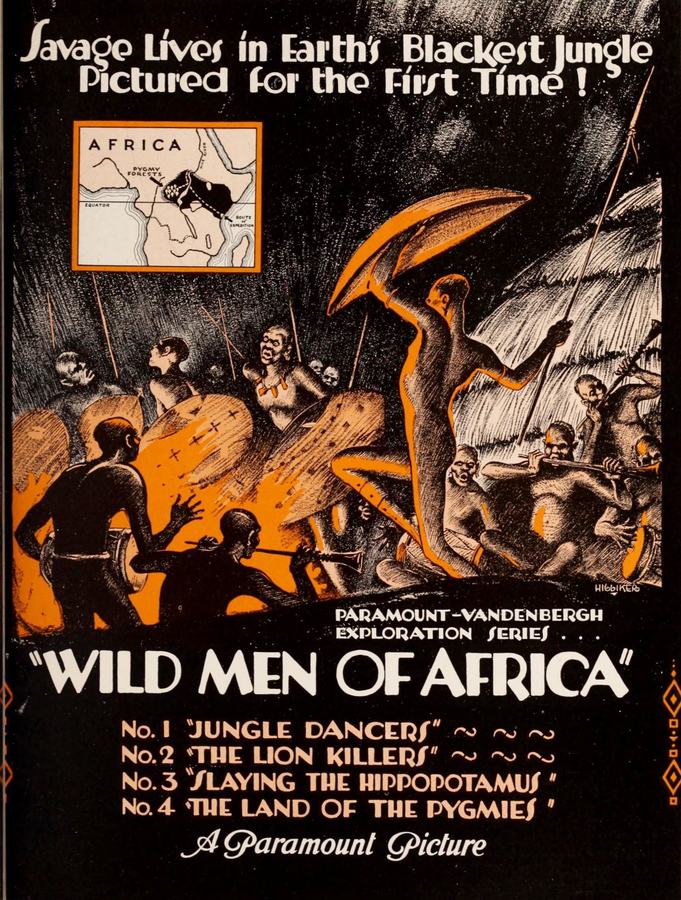
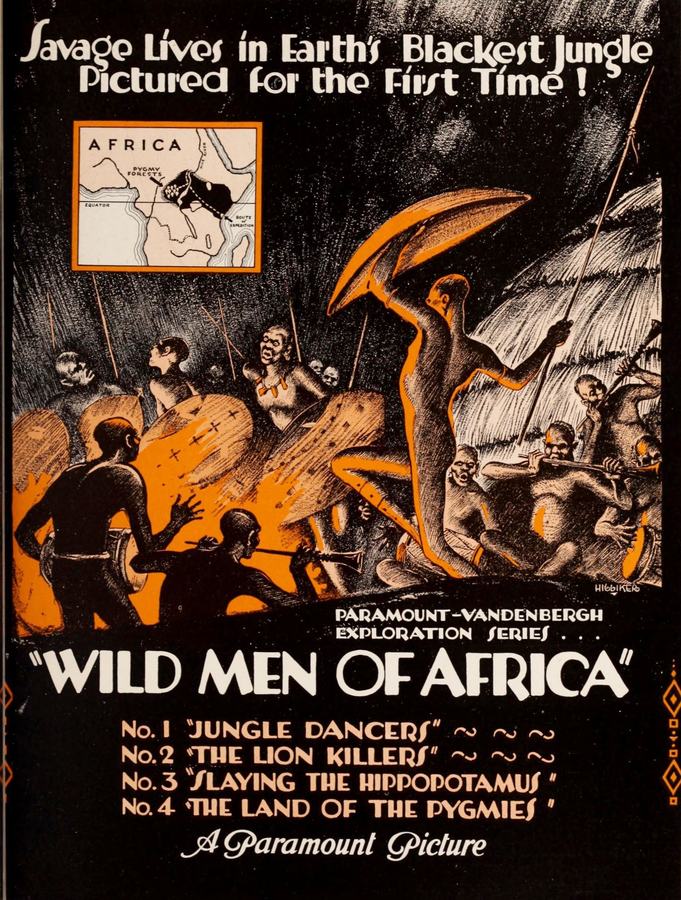
The Land of the Pygmies (1929), directed by Leonard J. Vandenbergh, is a relic of early ethnographic cinema that straddles the line between art and anthropology. This film, often overshadowed by its contemporaries, merits rediscovery not only for its historical significance but for its audacious attempt to depict cultu...
Comparing the cinematic DNA and archive impact of two defining moments in cult history.
Leonard J. Vandenbergh

Malcolm St. Clair
Community
Log in to comment.
"The Land of the Pygmies (1929), directed by Leonard J. Vandenbergh, is a relic of early ethnographic cinema that straddles the line between art and anthropology. This film, often overshadowed by its contemporaries, merits rediscovery not only for its historical significance but for its audacious attempt to depict cultural exchange without the colonial gaze that plagues so many of its ilk. With a visual language that oscillates between lyrical beauty and stark realism, Vandenbergh crafts a narrat..."
1920 · IMDb 5.5
Malcolm St. Clair
Deep dive into the cult classic
Discover similar cinematic experiences
A Directorial Spotlight on Leonard J. Vandenbergh