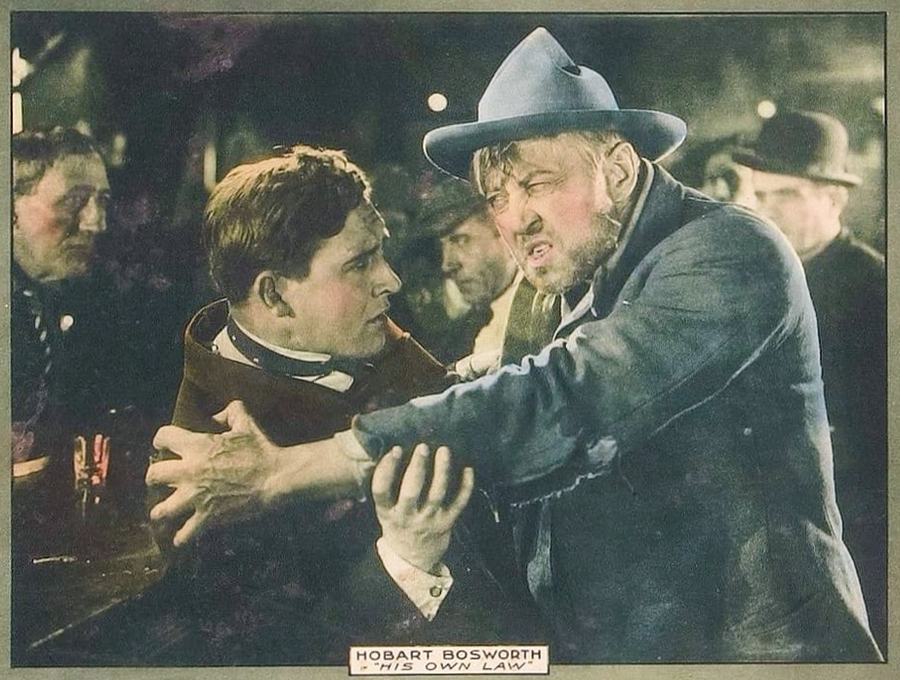
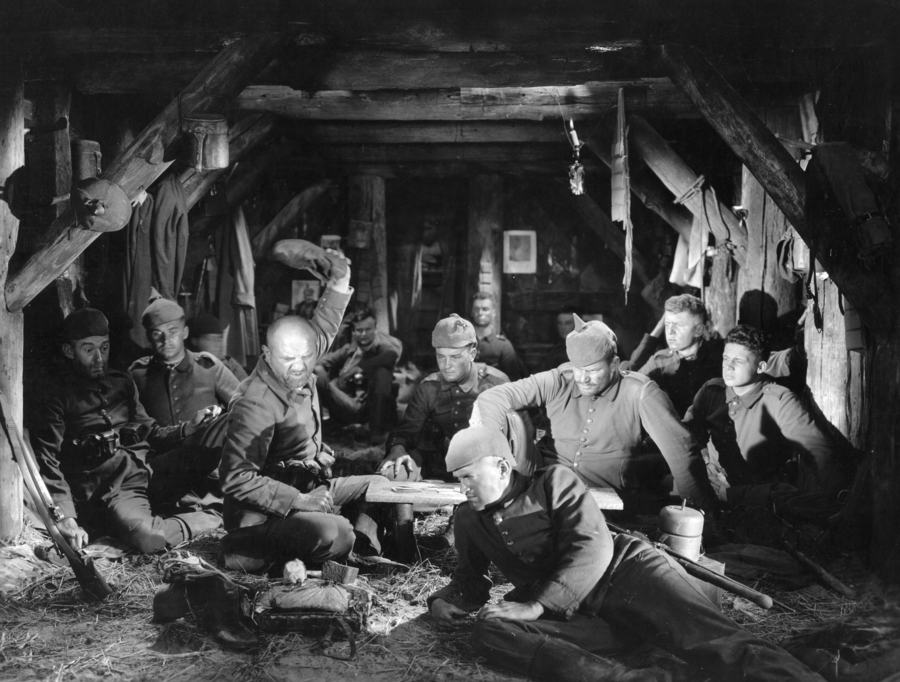
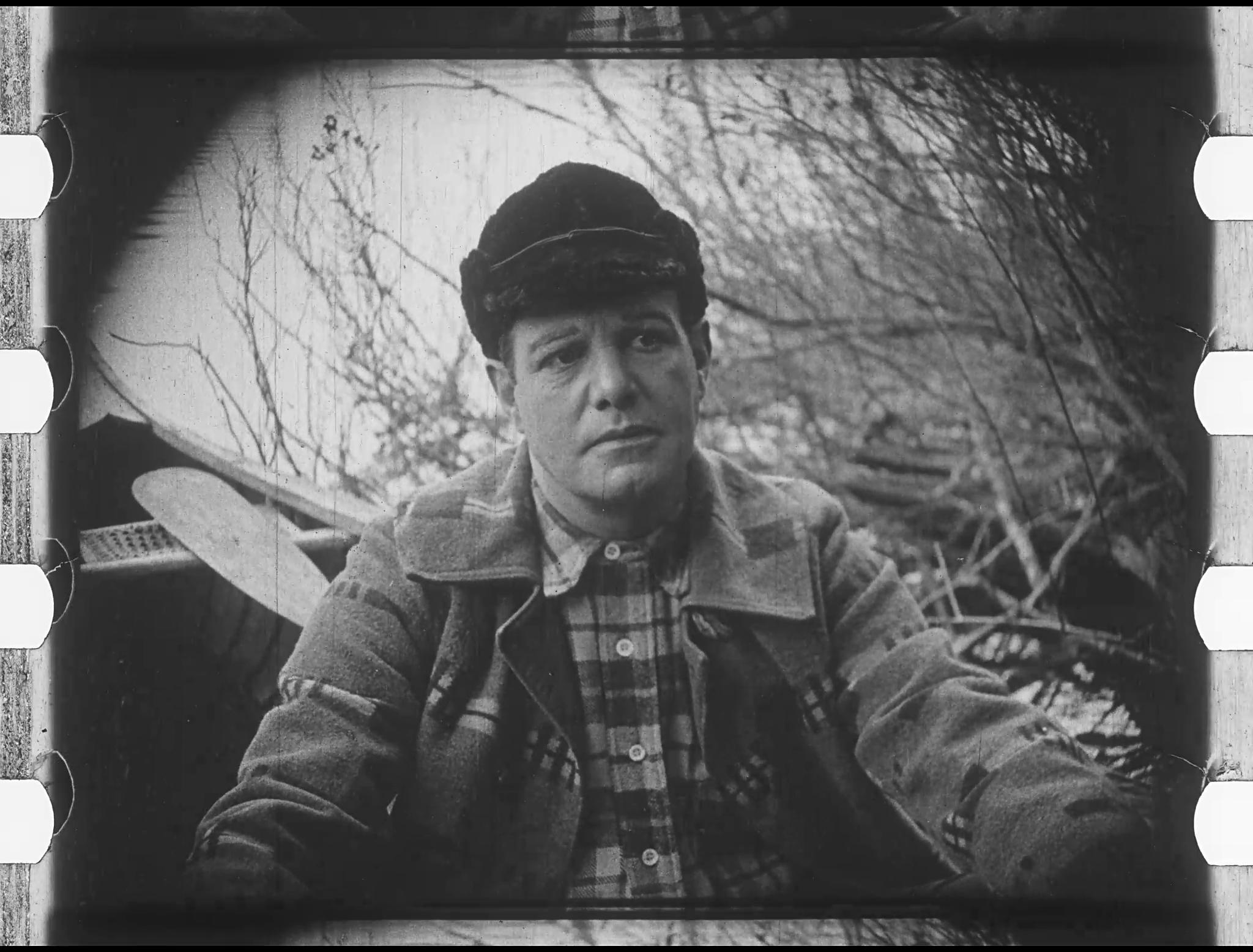
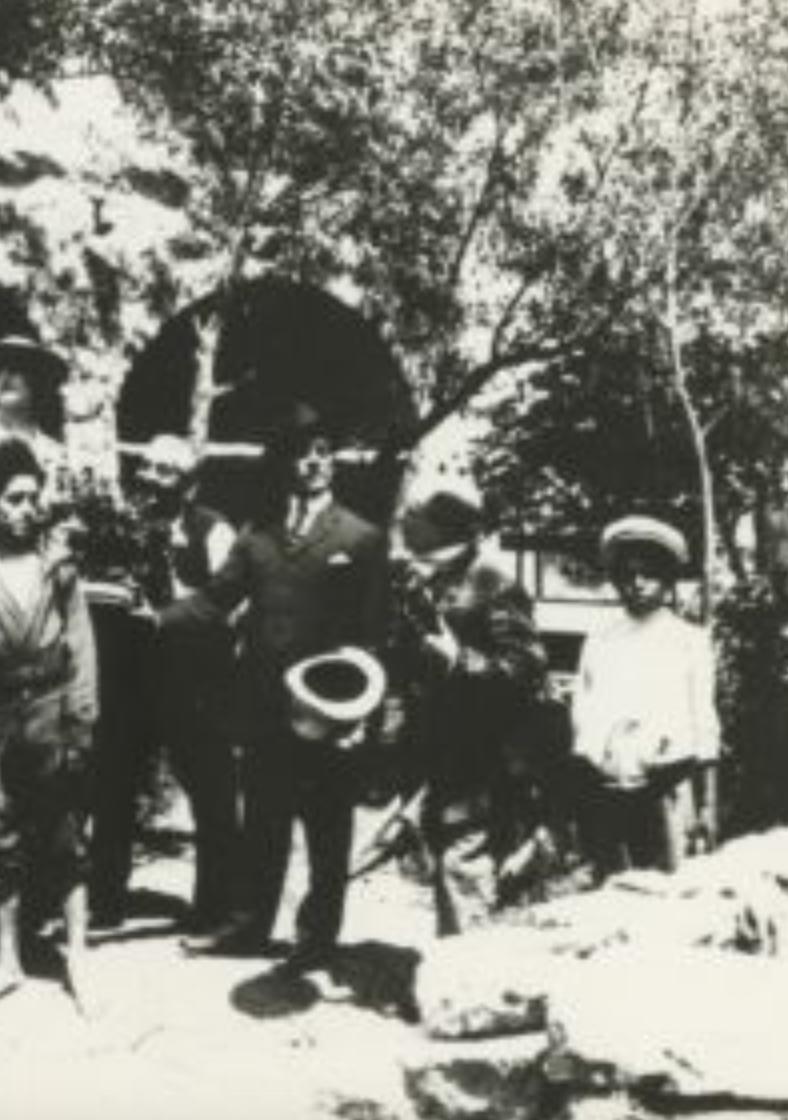
Hercules Napoleon Cameron, who finds his adventure in books, is searching the waterfront with Alice Winthrop for a friend's father when they are shanghaied and taken aboard "The Finn's" ship, bound for the South Seas. "The Finn" is a brutal captain who reinforces his authority with a caged, ape-like monster.
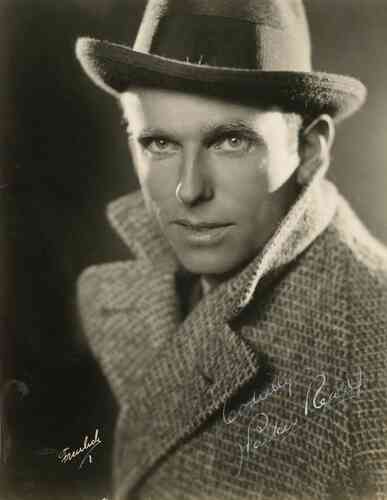
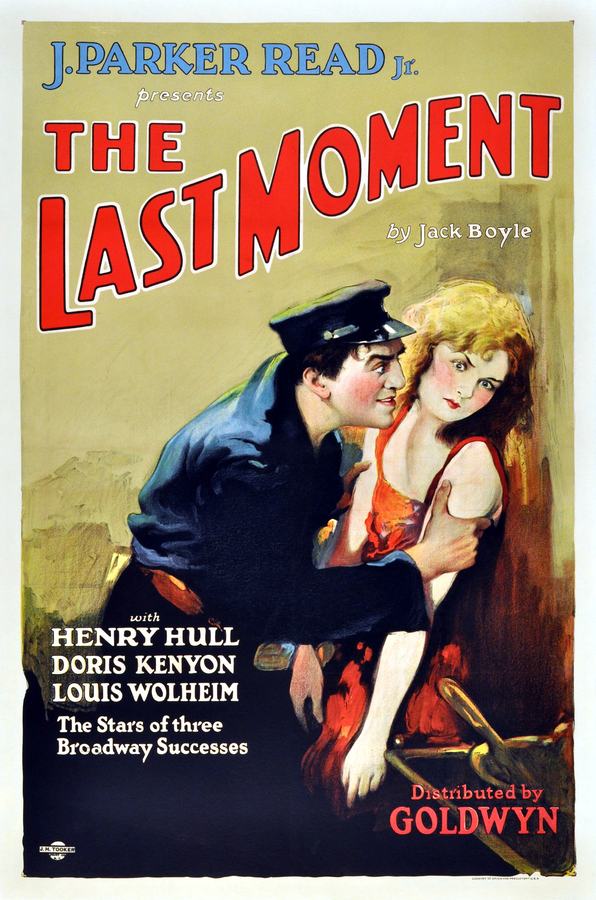
The silent era was frequently a repository for the grotesque and the grand, a period where the absence of spoken dialogue necessitated a heightening of visual metaphor and physical prowess. The Last Moment (1923) stands as a fascinating, if somewhat overlooked, relic of this transition, merging the tropes...
Comparing the cinematic DNA and archive impact of two defining moments in cult history.
J. Parker Read Jr.
Bruno Ziener
Community
Log in to comment.
" The silent era was frequently a repository for the grotesque and the grand, a period where the absence of spoken dialogue necessitated a heightening of visual metaphor and physical prowess. The Last Moment (1923) stands as a fascinating, if somewhat overlooked, relic of this transition, merging the tropes of the maritime adventure with the burgeoning aesthetics of the creature feature. It is a film that asks whether the civilized man, nurtured on the refined narratives of the libra..."
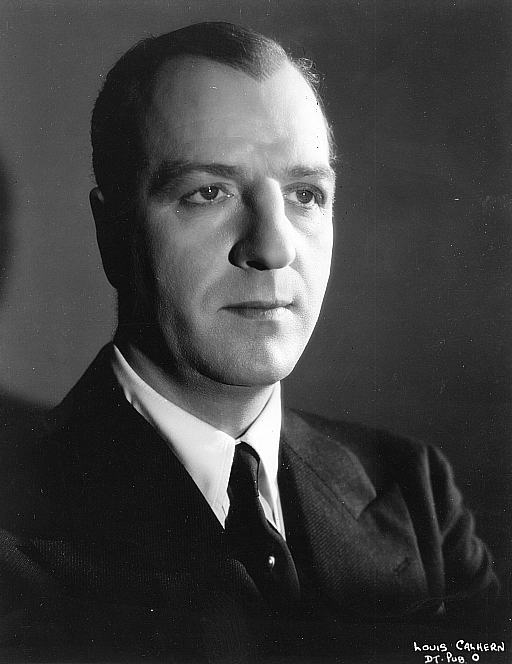
Louis Calhern
Jack Boyle, J. Clarkson Miller
United States
1934 · IMDb 7
Deep dive into the cult classic
Discover similar cinematic experiences
A Directorial Spotlight on J. Parker Read Jr.