DbcultAccessing Vault...
Cult Review
Senior Film Conservator
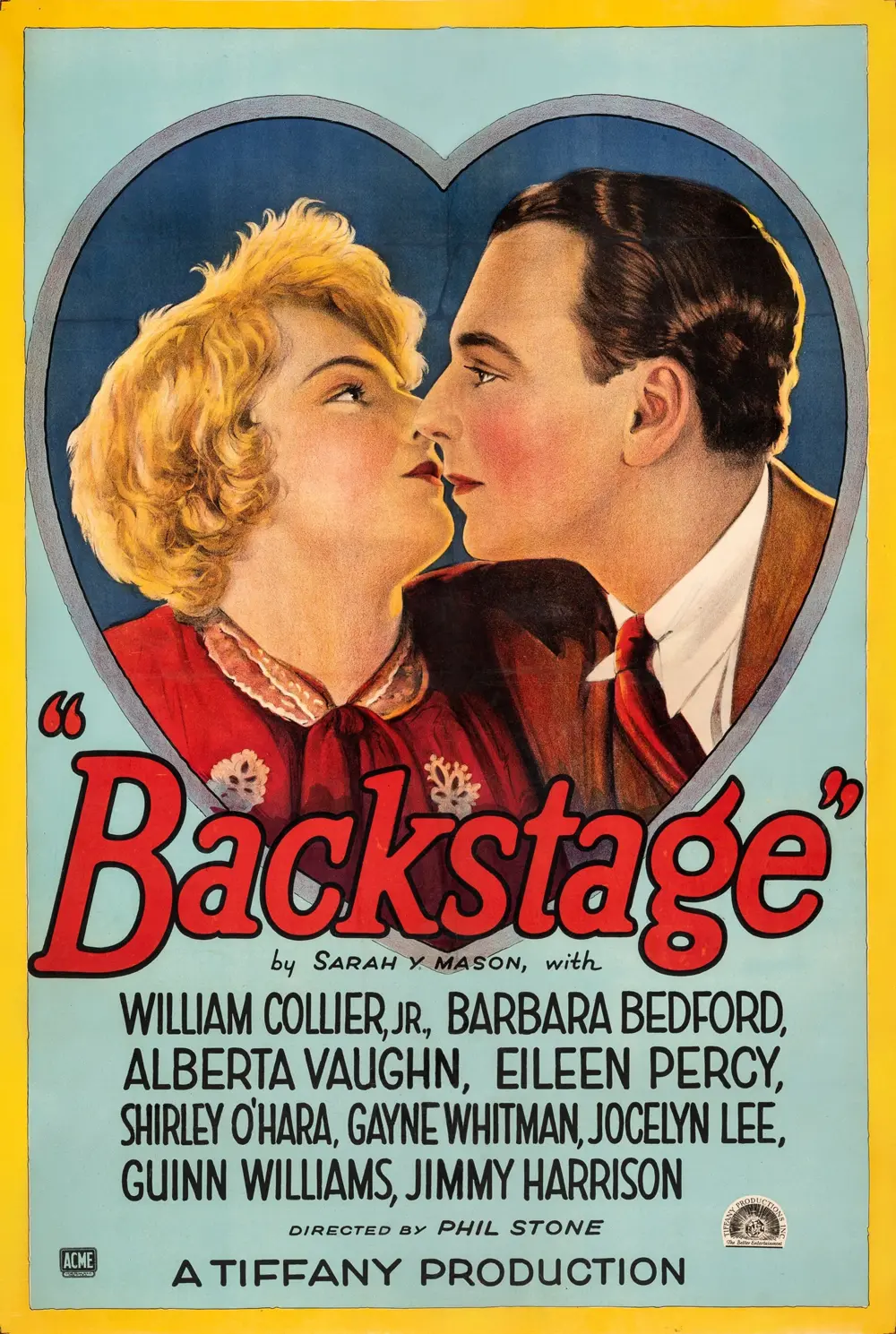
Is 'Backstage' worth unearthing from the silent film archives today? Short answer: yes, for specific cinephiles, but it demands patience and an appreciation for early cinematic storytelling. This forgotten gem, if it can be called that, is a fascinating, if sometimes frustrating, window into a specific cultural moment.
This film is undeniably for silent film enthusiasts, social historians, and anyone interested in the unvarnished portrayal of female struggle in early 20th-century America. It's a raw, unpolished document that speaks volumes about economic precarity. However, it is decidedly not for casual viewers accustomed to modern pacing, high production values, or intricate narrative twists. Expect a slower burn and a focus on character over spectacle.
This film works because: It offers an authentic, if melodramatic, portrayal of desperation and the stark reality of poverty, elevated by genuinely sympathetic performances from its core ensemble.
This film fails because: Its pacing can be uneven, and some narrative resolutions feel overly simplistic or convenient, undermining the gritty realism it otherwise strives for.
You should watch it if: You're fascinated by the social realism of early cinema, the struggles of forgotten women, and the raw, often unglamorous, side of the performing arts history.
'Backstage' doesn't just tell a story; it presents a stark, unblinking look at the precipice of poverty. The film opens with the promise of performance, the glamour of the stage, only to abruptly snatch it away. This immediate subversion of expectation sets a tone of vulnerability that permeates the entire narrative. Julia, Myrtle, Fanny, and Jane aren't just characters; they're archetypes of a generation of women drawn to the flickering lights of entertainment, only to find themselves cast into darkness.
The sudden collapse of their show, due to a manager's insolvency, isn't just a plot device; it's a commentary on the fragility of employment and the ruthlessness of the industry. The subsequent eviction scene is particularly potent, stripped of sentimentality. We see their few possessions unceremoniously dumped, a visual metaphor for their sudden loss of dignity and security. This isn't just a dramatic turn; it's a social critique, showing how easily the working class, particularly women, could be rendered destitute by forces beyond their control.
What follows is a series of increasingly desperate attempts to survive. These 'schemes' are not cunning machinations but rather clumsy, often naive efforts born of sheer hunger and fear. One particularly memorable sequence involves their initial attempts to secure food, highlighting their inexperience with true hardship. They try begging, they try odd jobs, each attempt a small, poignant failure that deepens our understanding of their plight. It's here that the film, despite its age, finds its most potent emotional resonance. The struggle feels authentic, a testament to the writers Jack Natteford and Sarah Y. Mason's ability to ground the melodrama in harsh reality.
I'd argue this film, despite its age and narrative limitations, offers a more genuine portrayal of urban struggle than many of its more celebrated contemporaries. It doesn't romanticize poverty; it lays it bare, showing the toll it takes on spirit and body. The bond between the four women, forged in shared adversity, becomes the film's emotional anchor, a testament to female solidarity in the face of a cruel world.
Silent film acting is often unfairly caricatured as overly theatrical, yet 'Backstage' showcases a range of performances that, for the most part, transcend mere pantomime. Shirley O'Hara, as Julia, embodies a quiet determination that anchors the group. Her expressions convey a weary resolve, a sense of being the reluctant leader, without resorting to exaggerated gestures. There's a subtle strength in her portrayal that feels remarkably modern.
Guinn 'Big Boy' Williams, while a supporting player, brings a grounded presence that contrasts effectively with the more emotional performances of the chorus girls. His character, often representing a potential avenue of assistance or complication, offers a glimpse into the broader societal interactions these women faced. His scenes are sparse but impactful, demonstrating the power of understated acting even in an era known for its overt expressiveness.

The ensemble chemistry among O'Hara, Louise Carver, William Collier Jr., and Alberta Vaughn (playing the other chorus girls, though the plot doesn't explicitly name all four) is palpable. They move as a unit, their shared despair and fleeting moments of hope feeling genuinely intertwined. A specific scene where they huddle together, shivering, trying to decide their next move, speaks volumes about their collective vulnerability and their reliance on one another. This isn't just a group of actors; it's a believable sisterhood forged in hardship. It’s a powerful, if simple, demonstration of screen presence.
While some of the supporting cast lean into the more conventional melodramatic tropes of the era – the cruel landlord, the opportunistic stranger – the core performances maintain a level of sincerity that keeps the audience invested. It’s a delicate balance, and for the most part, 'Backstage' achieves it. The actors convey complex emotions through facial expressions and body language, a true art form often overlooked in contemporary cinema.
The visual language of 'Backstage' is straightforward, yet remarkably effective in conveying its themes. The direction, while not overtly flashy, focuses on framing the characters within their increasingly bleak environments. The contrast between the initial, albeit brief, glimpses of stage life and the stark, empty apartment they are evicted from is a powerful visual statement. The camera doesn't shy away from their destitution; it often lingers, allowing the audience to feel the weight of their circumstances.
Cinematography, typical of the era, prioritizes clear storytelling. There aren't many elaborate camera movements or experimental angles, but the composition often emphasizes the isolation and vulnerability of the characters. For instance, wide shots of the girls walking through busy city streets, often appearing small and overwhelmed, effectively convey their insignificance in a bustling, uncaring metropolis. This simple approach to visual storytelling allows the emotional core of the narrative to shine through, rather than being overshadowed by technical wizardry.
The use of close-ups, though sparingly employed, is impactful. A close-up on Julia's face as she contemplates a desperate act, for example, allows the audience to connect directly with her internal struggle, bypassing the need for intertitles to explain every nuance. This is where the film truly leverages the strengths of silent cinema – the ability to communicate profound emotion through pure visual means. The film’s aesthetic, while constrained by its time, contributes significantly to its raw, almost documentary-like feel.
The pacing of 'Backstage' is perhaps its most divisive element. It operates on a rhythm distinct from modern cinema, characterized by longer takes and a more deliberate unfolding of events. The initial setup, detailing the rehearsals and the manager's financial woes, feels somewhat rushed, perhaps to quickly get to the core conflict. However, once the girls are evicted, the pace slows considerably, allowing the audience to truly immerse themselves in their day-to-day struggle.
This shift in pacing can feel jarring to contemporary viewers, but it serves a purpose. It forces patience, mirroring the arduous waiting and fruitless efforts of the characters. The moments of quiet despair, punctuated by frantic attempts at survival, create a tone that oscillates between pathos and a grim determination. The film doesn't shy away from the monotony of their existence, which, while sometimes challenging for the audience, adds to the authenticity of their plight.
The tone is largely one of somber realism, occasionally lightened by moments of camaraderie or fleeting hope. There are no grand, sweeping romantic subplots to distract from the central theme of survival. This steadfast commitment to its core subject matter is one of the film's strengths. It maintains a consistent, almost melancholic, atmosphere that underscores the gravity of their situation. However, there are instances where the narrative introduces convenient solutions, which, while providing temporary relief, can feel like a departure from the film’s otherwise gritty tone.
These shifts, while noticeable, are characteristic of early narrative filmmaking, where conventions were still being established. For those willing to adjust their expectations, the pacing becomes less of a hindrance and more of a deliberate choice, reflecting the slow, grinding nature of poverty itself. It works. But it’s flawed.
Yes, 'Backstage' holds significant value for those interested in film history and social commentary. It's an important, if imperfect, window into a specific cultural moment. Its strengths lie in its raw depiction of female solidarity and the harsh realities of urban poverty.
While it may lack the polish and narrative sophistication of later films, its historical significance and the genuine emotional performances make it a compelling watch for the right audience. It serves as a powerful reminder of how far cinematic storytelling has evolved, and yet, how some core human struggles remain timeless. It's a film that asks for your patience but rewards you with a poignant, unvarnished glimpse into a bygone era.
'Backstage' is more than just a historical curiosity; it’s a compelling, if imperfect, piece of social realism. It stands as a testament to the resilience of women facing unimaginable hardship, and the simple power of cinematic storytelling to convey universal truths. While it won't appeal to everyone, its raw honesty and the genuine performances from its cast make it a valuable watch for those with an interest in the untold stories of early cinema. It’s not a masterpiece, nor does it strive to be. It’s a document, a snapshot of survival, and in that, it finds its true strength. For silent film aficionados, this is a definite recommendation. For others, approach with an open mind and a willingness to step back in time. It might just surprise you. Perhaps it even offers a more profound insight into human nature than many of its contemporaries like Girls or When a Woman Sins, by virtue of its unadorned rawness.
IMDb 7.3
1934
Community
Log in to comment.