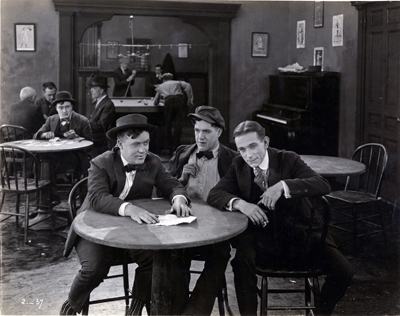
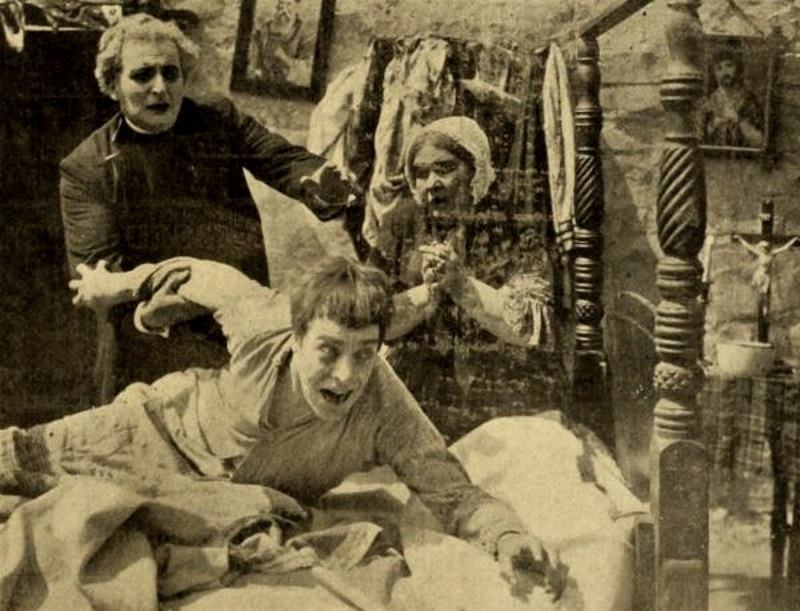
Two young boys get in trouble with the law and wind up in prison. One, who was raised in poverty in the slums, goes to a reformatory and picks up tips on how to become a master criminal.
body{background:#000;color:#fff;font-family:Georgia,serif}.title{color:#C2410C;font-size:24px}.subtitle{color:#EAB308;font-size:18px}.section{margin:20px 0}.highlight{color:#0E7490;font-style:italic}.quote{font-style:italic;color:#fff;border-left:4px solid #C2410C;padding-left:10px}A Tale of Two TomorrowsClass, Confine...
still_frame
still_frame
still_frame
still_frame
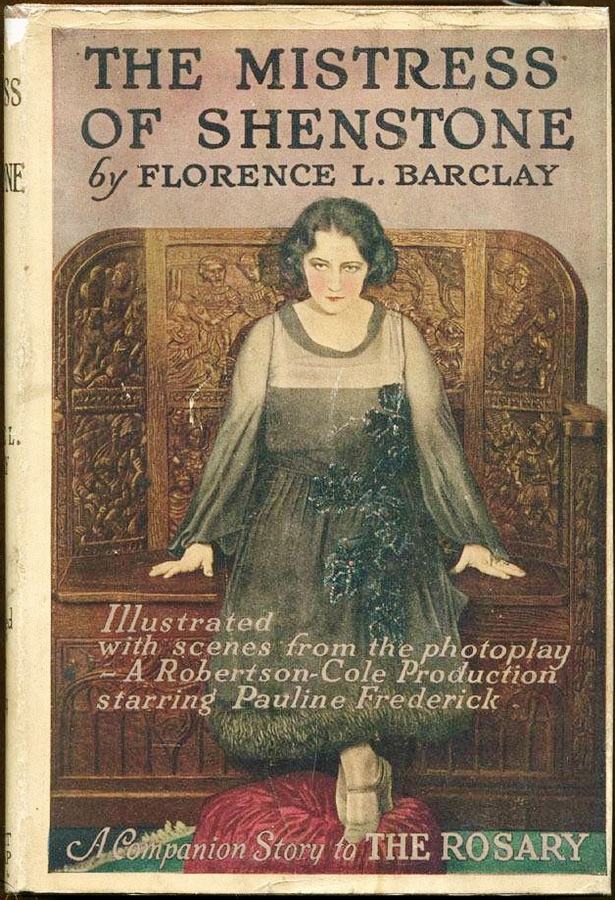
Comparing the cinematic DNA and archive impact of two defining moments in cult history.
Sidney Olcott
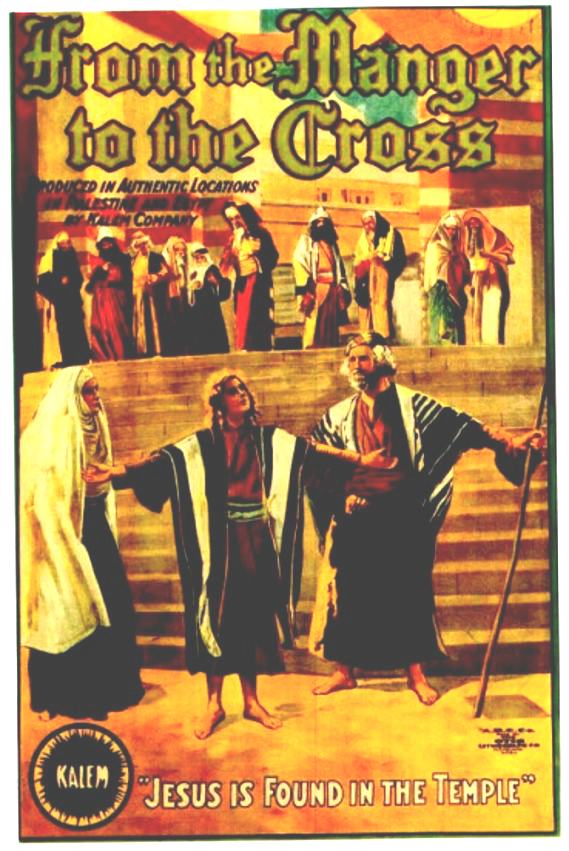
Sidney Olcott
Community
Log in to comment.
"body{background:#000;color:#fff;font-family:Georgia,serif}.title{color:#C2410C;font-size:24px}.subtitle{color:#EAB308;font-size:18px}.section{margin:20px 0}.highlight{color:#0E7490;font-style:italic}.quote{font-style:italic;color:#fff;border-left:4px solid #C2410C;padding-left:10px}A Tale of Two TomorrowsClass, Confinement, and the Illusion of Moral ClarityThomas Mott Osborne and Basil Dickey’s The Right Way unfolds not as a mere crime thriller but as a socio-political dissection of early 20th-c..."
Thomas Mott Osborne, Basil Dickey
United States