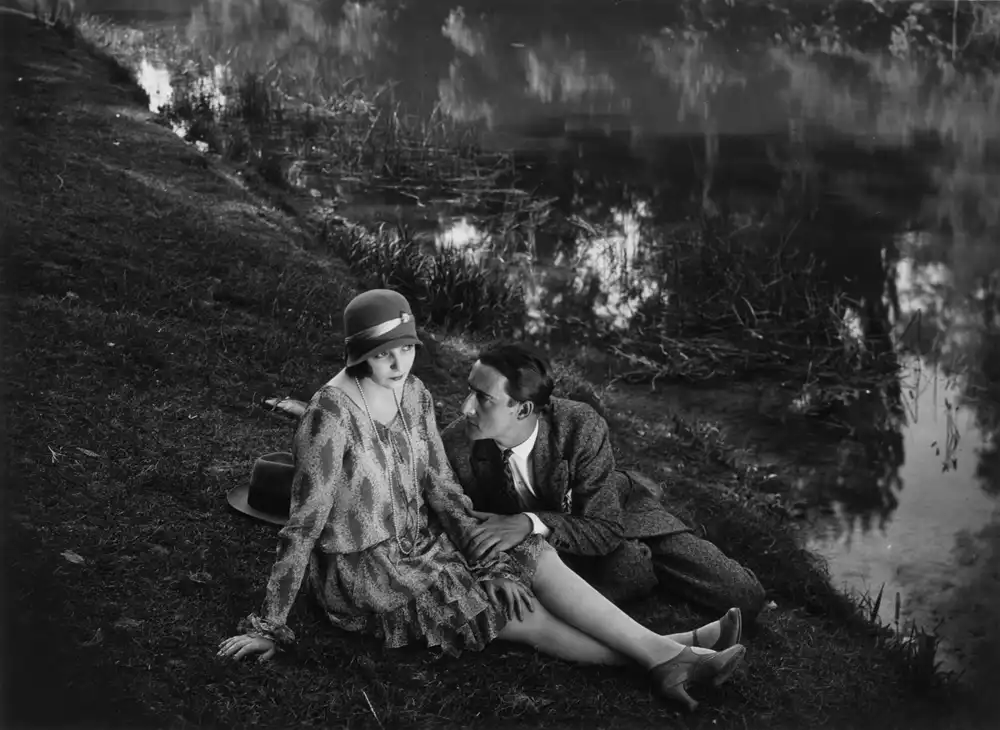
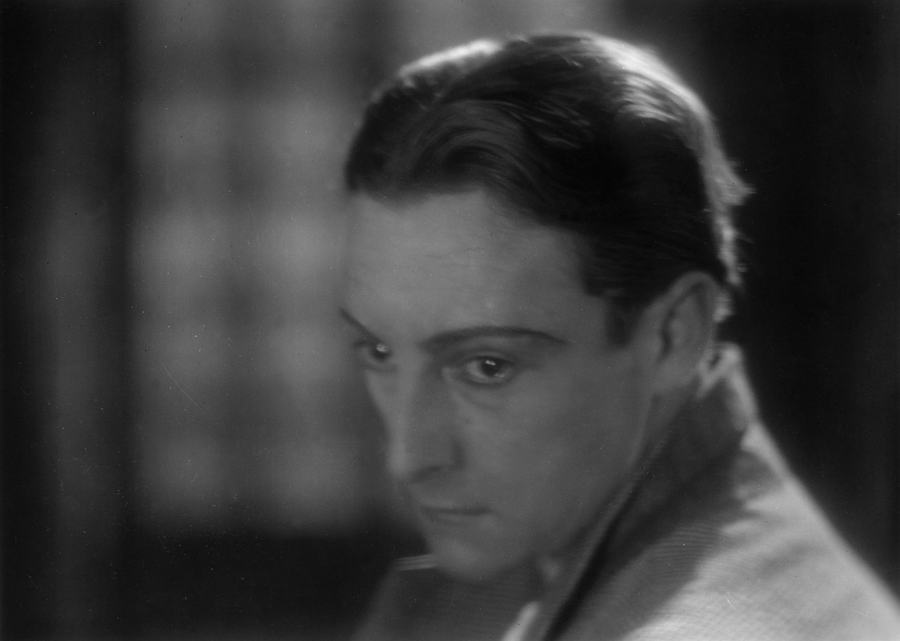
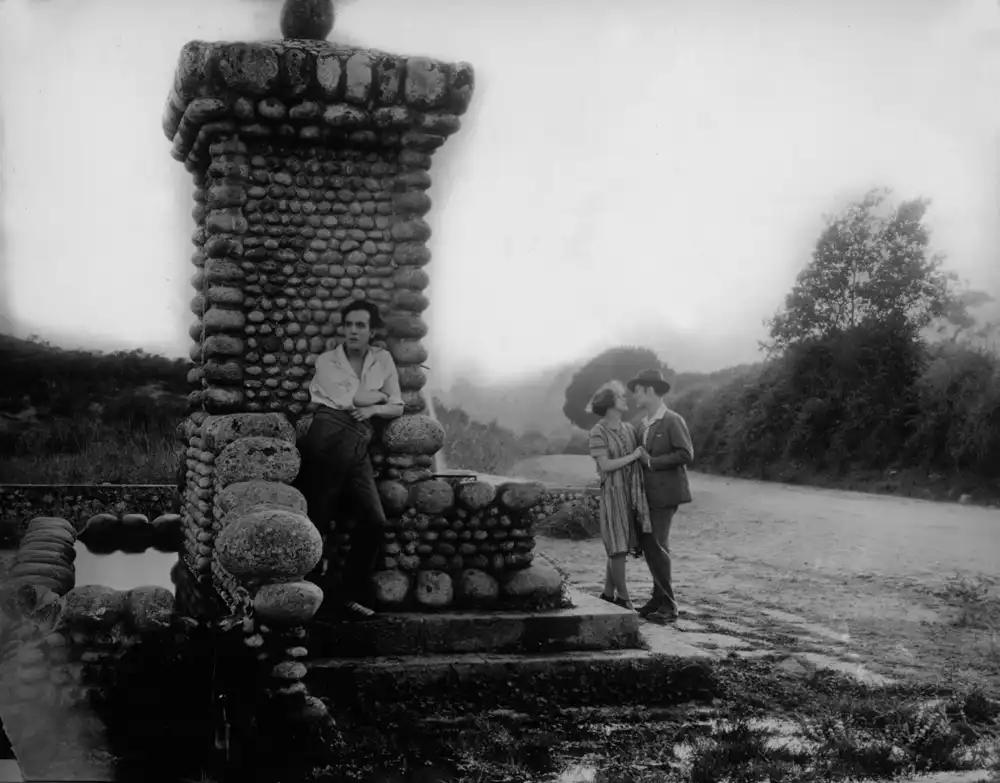
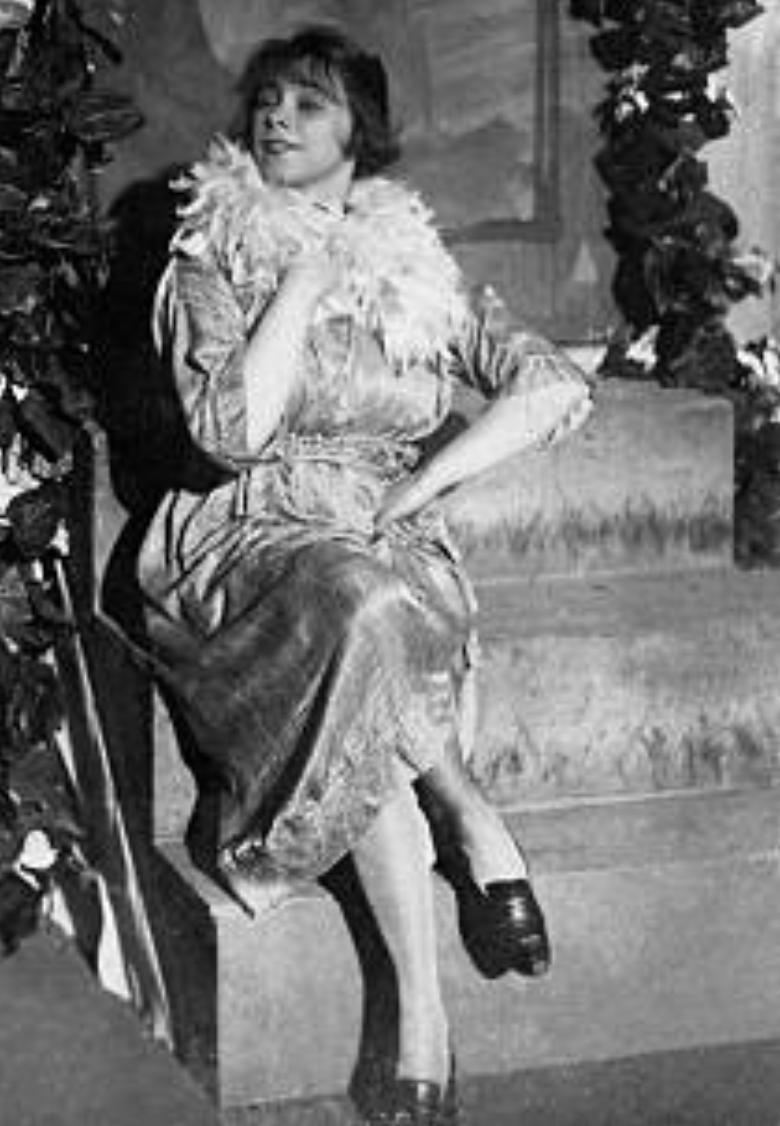
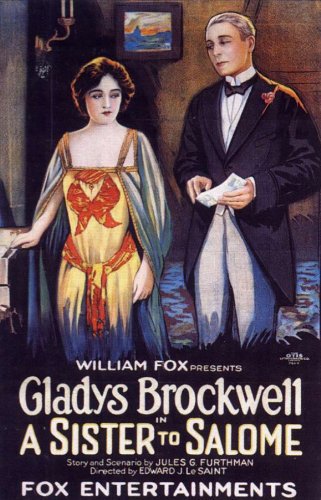
Psychological narrative avantgarde film about a wealthy young businessman who consecutively falls in love with a classy English woman (Pearl), a Russian sculptress (Athalia), and a naive working-class girl (Lucie). Overpowered by weakness, the coward sidesteps the obligations that love affairs impose: rather than living up to his dates he takes his sports-car from an ultra-modern garage and speeds to the fashionable beaches of Deauville.
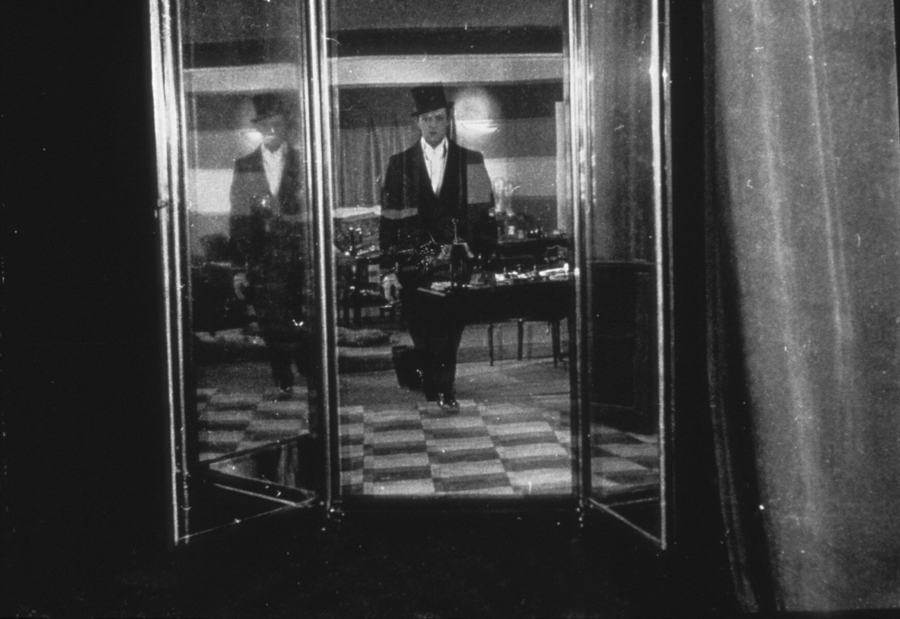
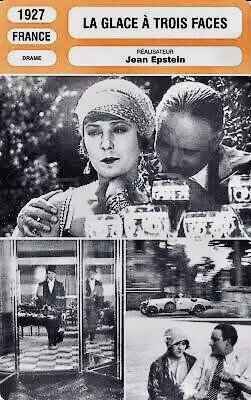
Is Jean Epstein’s 1927 silent film, The Three-Sided Mirror, worth watching today? Short answer: yes, absolutely, but with significant caveats. This isn't a film for casual viewing; it's a profound, experimental journey into the subjective nature of memory and desire, challenging the very fabric of cinematic storytellin...
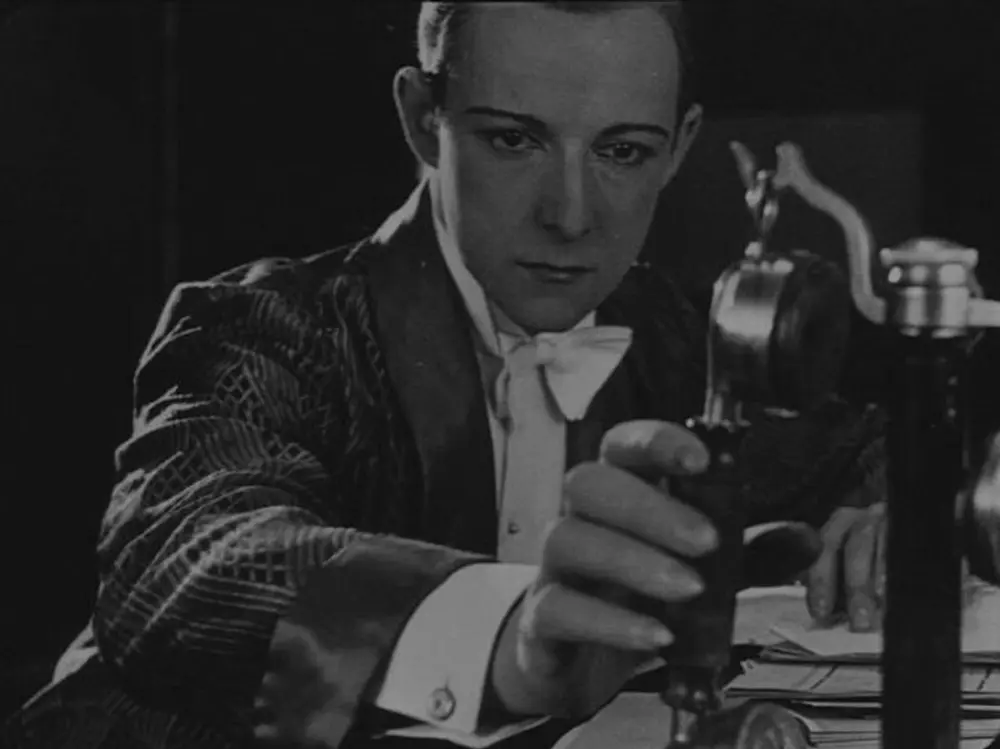
still_frame
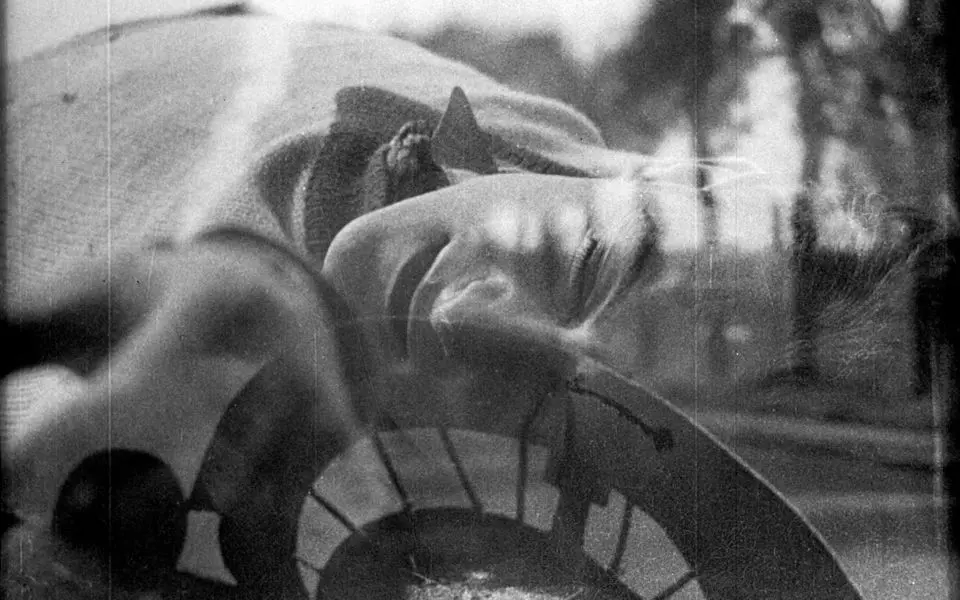
still_frame
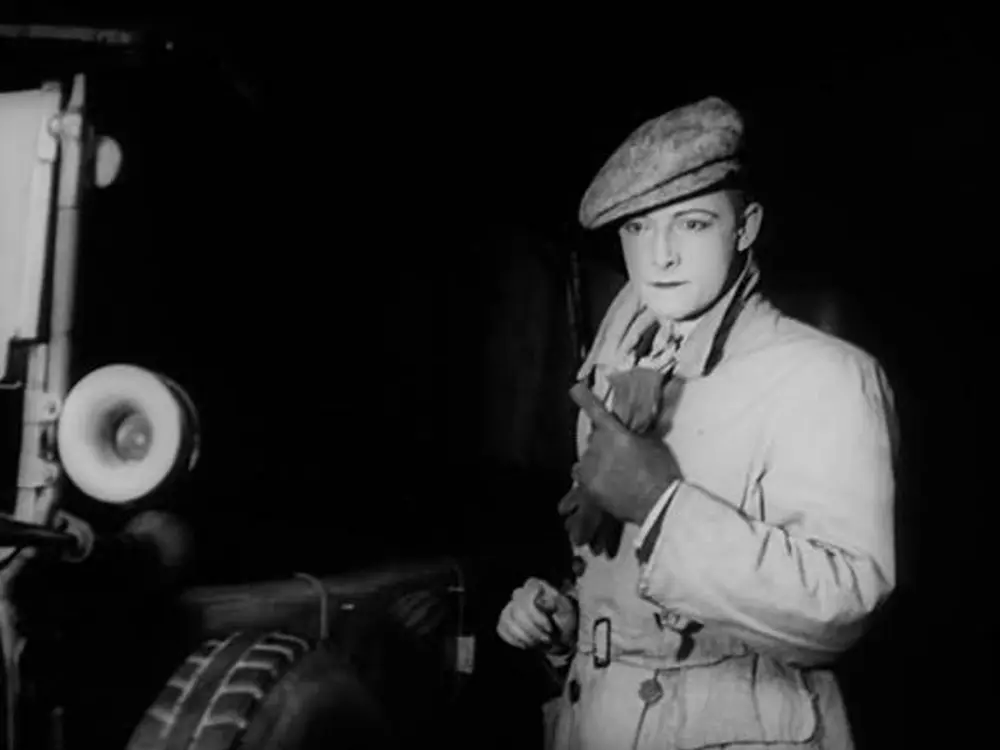
still_frame
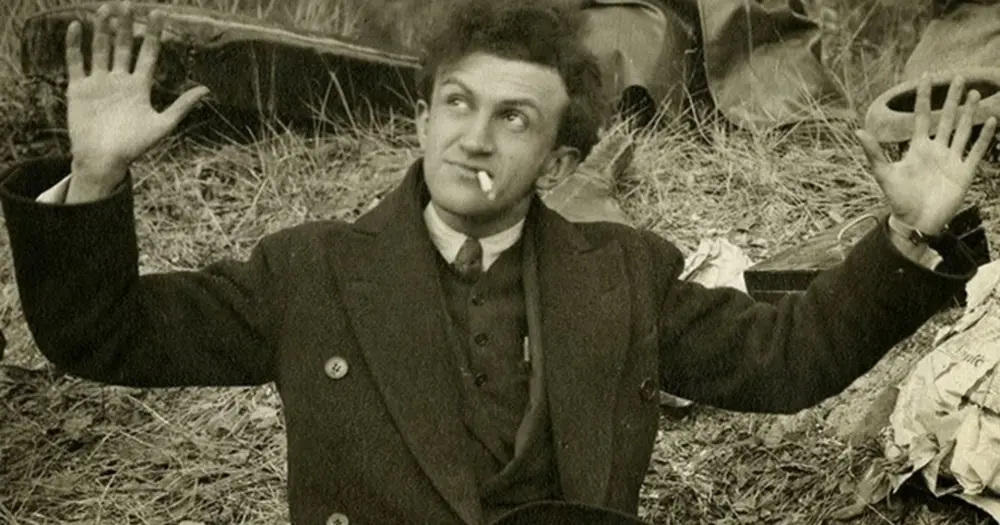
behind_the_scenes
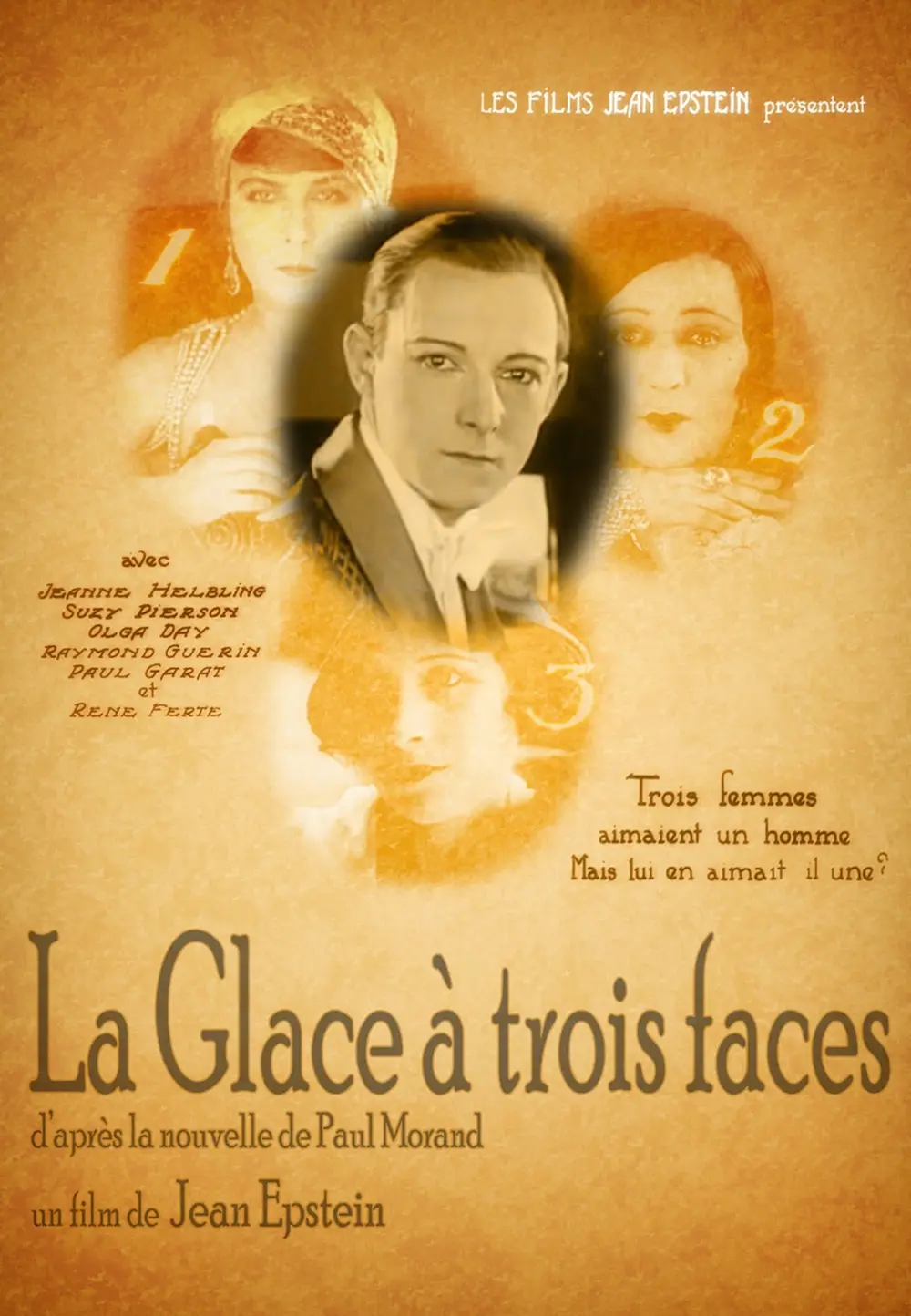
product
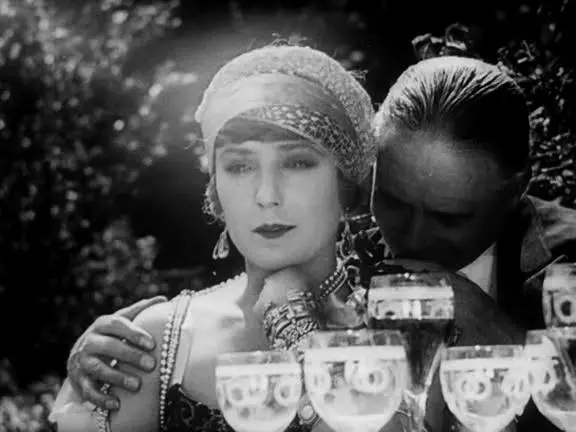
still_frame

still_frame
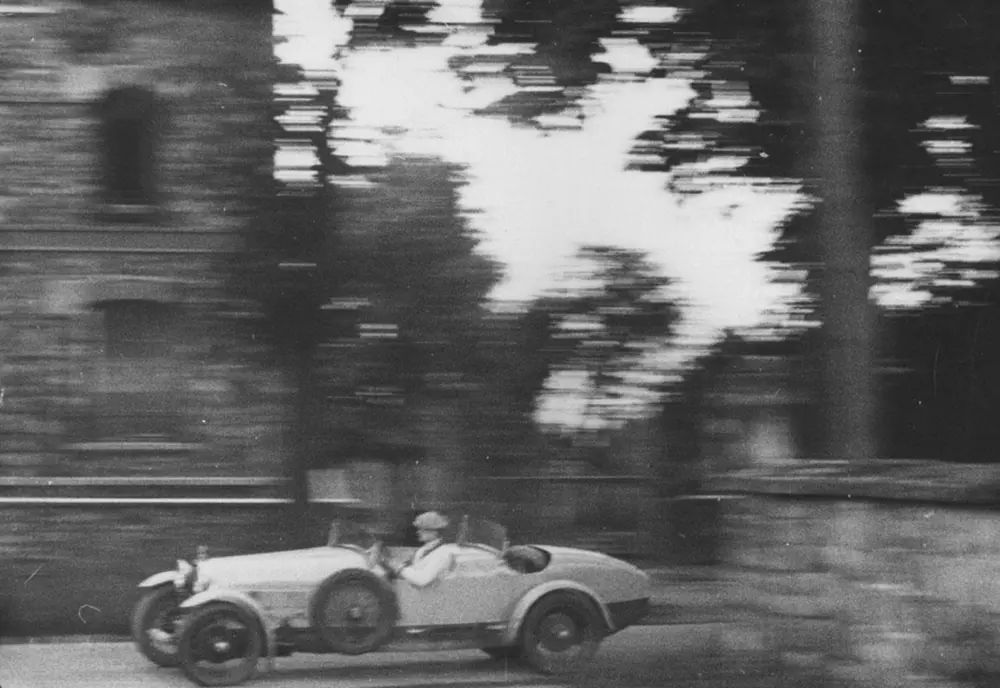
still_frame
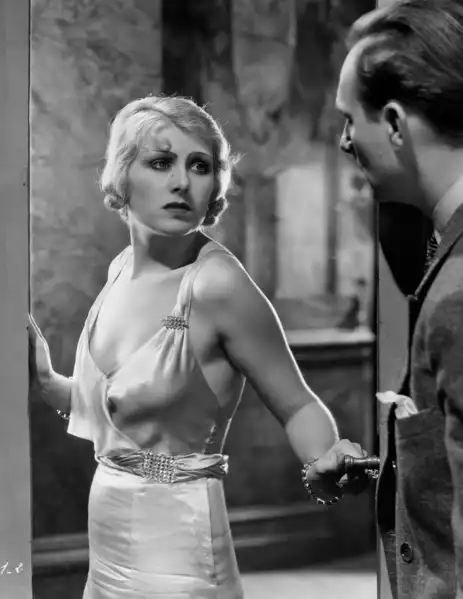
Comparing the cinematic DNA and archive impact of two defining moments in cult history.
Jean Epstein
Unknown Director
Community
Log in to comment.
"Is Jean Epstein’s 1927 silent film, The Three-Sided Mirror, worth watching today? Short answer: yes, absolutely, but with significant caveats. This isn't a film for casual viewing; it's a profound, experimental journey into the subjective nature of memory and desire, challenging the very fabric of cinematic storytelling almost a century ago. It demands patience and an open mind, rewarding those willing to engage with its unique, fragmented vision. This film is an essential watch for cinephiles, ..."
Suzy Pierson
Paul Morand, Jean Epstein
France
Deep dive into the cult classic
Discover similar cinematic experiences
A Directorial Spotlight on Jean Epstein