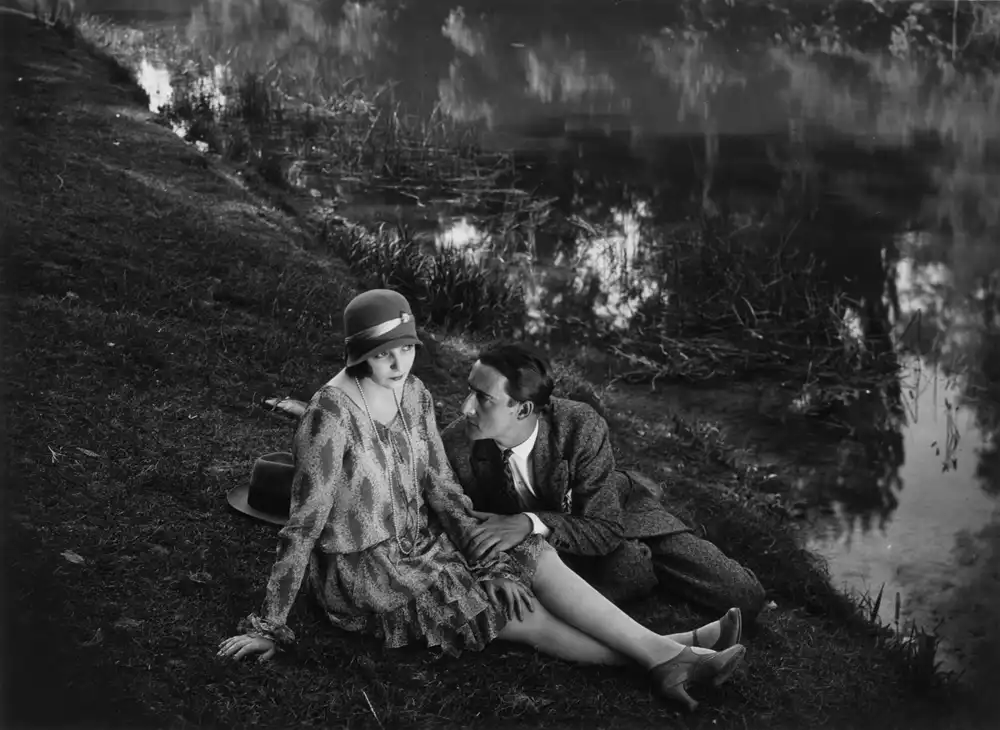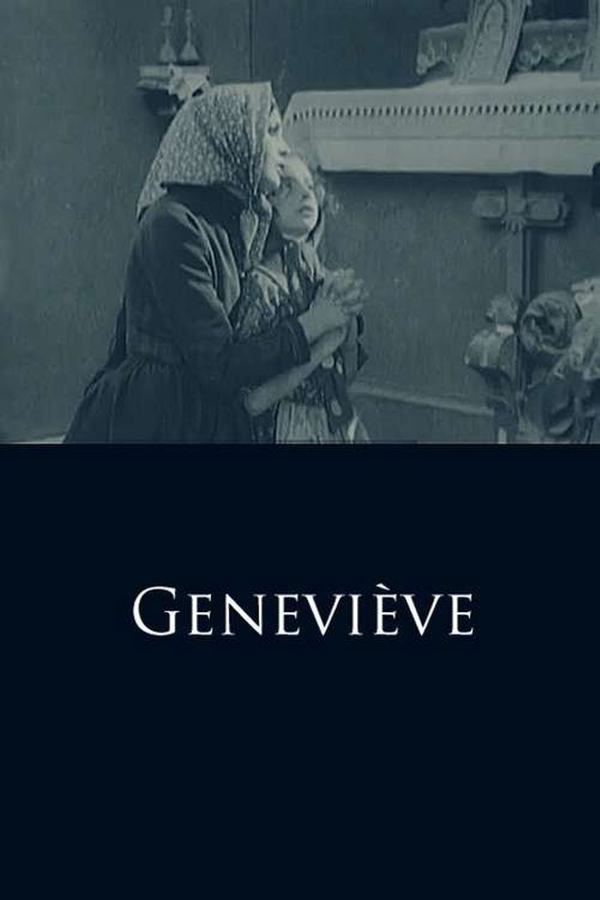
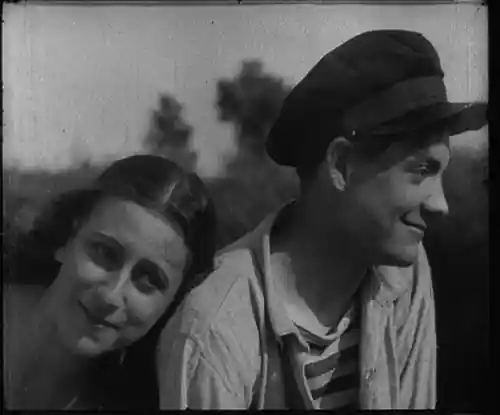
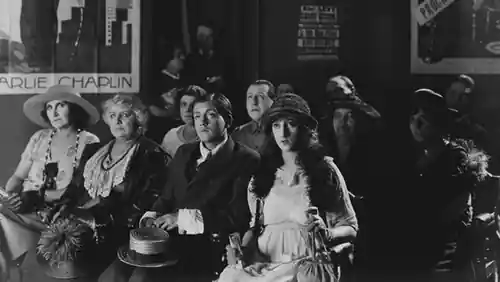
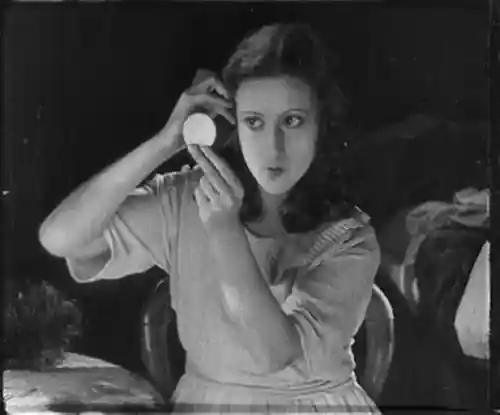
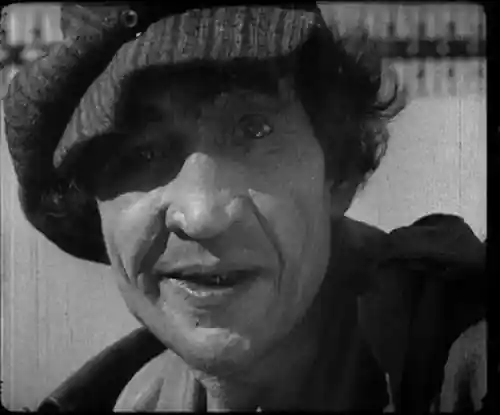
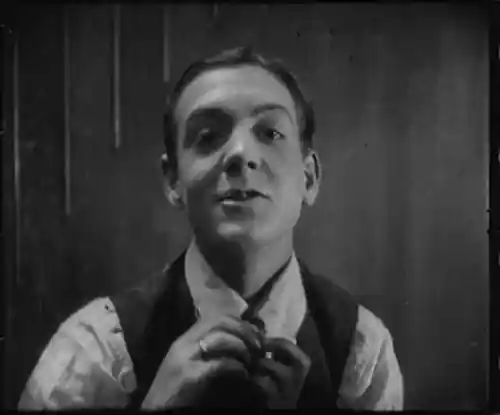
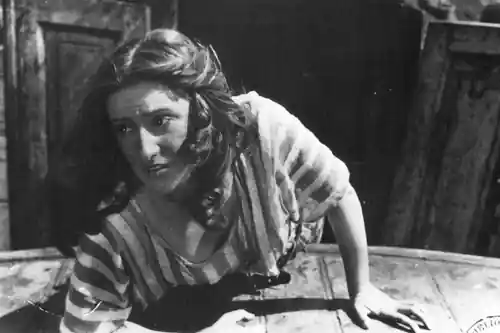
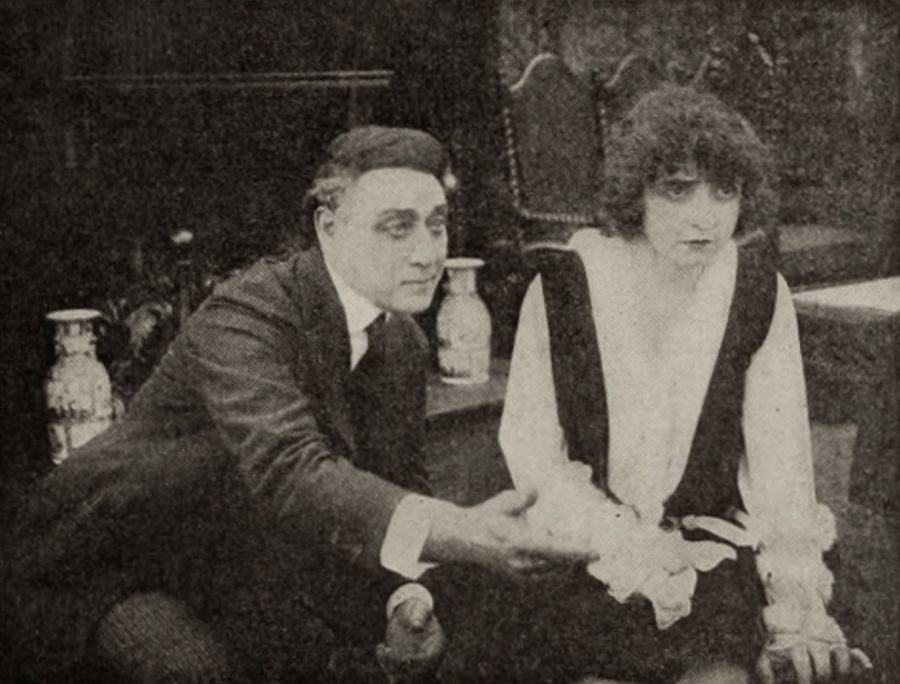
Bargeman Louveau finds an abandoned boy, Victor, and with the authorities permission takes him back to his own family where he raises him. 10 years later Victor and Louveau's daughter Clara have fallen in love, and it is then that Louveau is called to Paris, where it has been discovered that Victor is really the son of Maugendré, a charcoal shipper on the Nivernaise canal.
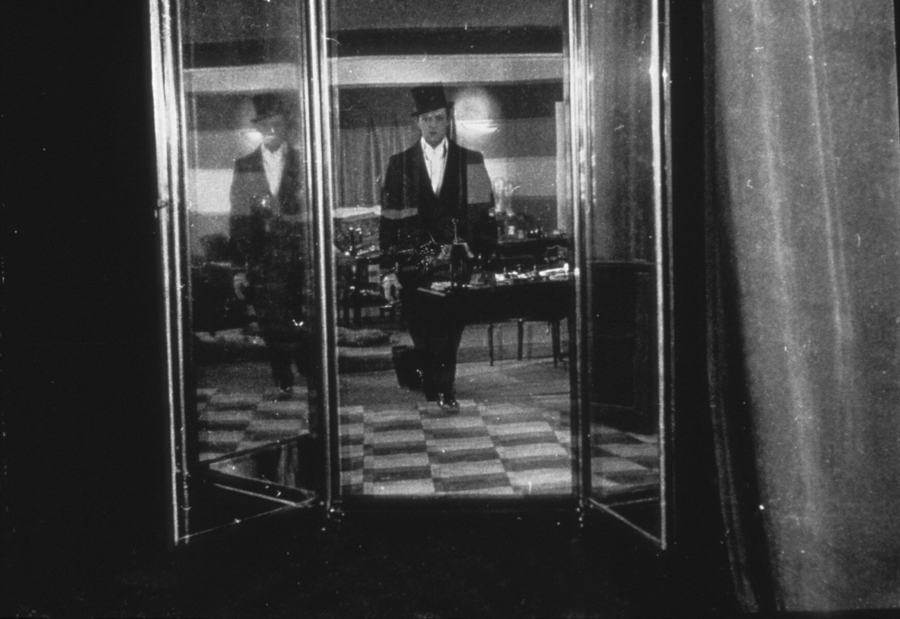
To watch La belle Nivernaise is to witness the very moment cinema shed its theatrical chrysalis and took flight as a distinct, autonomous art form. Directed in 1923 by the visionary Jean Epstein, this film is not merely a narrative adaptation of Alphonse Daudet’s novella; it is an experimental liturgy dedicated to the ...

still_frame
still_frame
still_frame
still_frame
still_frame
still_frame
still_frame

still_frame

Comparing the cinematic DNA and archive impact of two defining moments in cult history.
Jean Epstein

Wilfred Lucas
Community
Log in to comment.
"To watch La belle Nivernaise is to witness the very moment cinema shed its theatrical chrysalis and took flight as a distinct, autonomous art form. Directed in 1923 by the visionary Jean Epstein, this film is not merely a narrative adaptation of Alphonse Daudet’s novella; it is an experimental liturgy dedicated to the concept of photogénie. Epstein, a theorist as much as a craftsman, believed that the camera possessed a unique ability to reveal the hidden soul of objects and landscapes, a philos..."
Max Bonnet
Jean Epstein, Alphonse Daudet
France
Deep dive into the cult classic
Discover similar cinematic experiences
A Directorial Spotlight on Jean Epstein