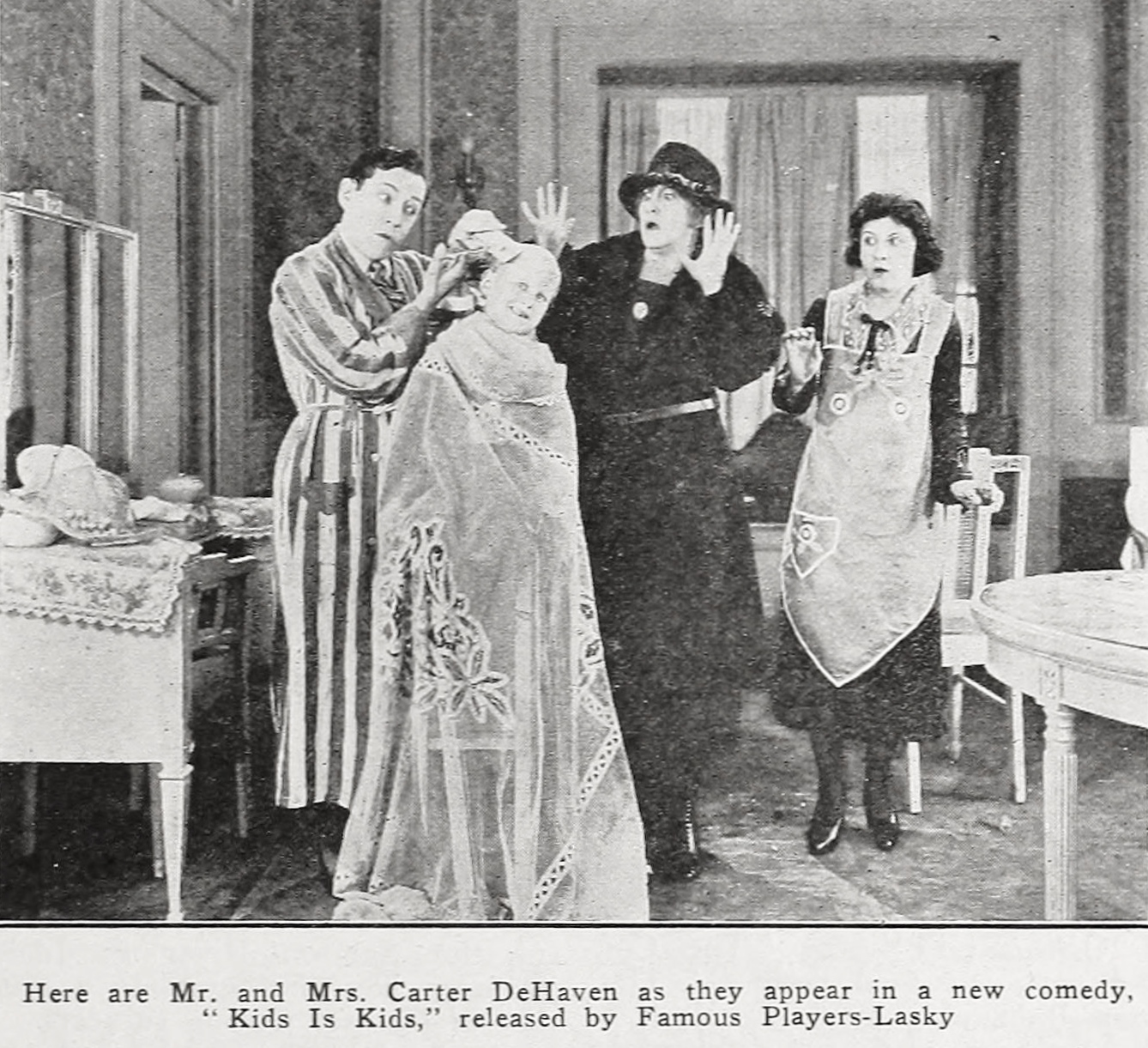
Wanda and Hubby, off on their honeymoon, accidentally "kidnap" their friends' baby, but after a long chase it is finally recovered by the anxious parents. Arriving in California, they start housekeeping under a tent and, incidentally, difficulties.

Albert Herman
United States
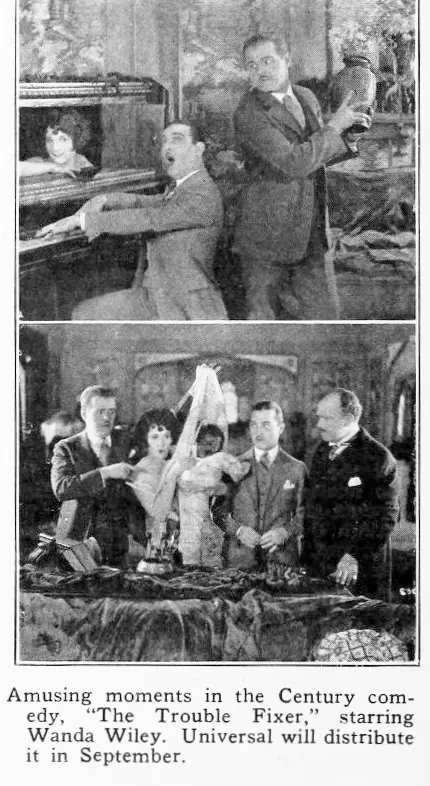
The silent era’s fascination with the volatility of the nuclear family finds a dizzying, almost hallucinatory expression in The Trouble Fixer. Directed by the prolific Albert Herman, this 1924 romp serves as a definitive showcase for Wanda Wiley, an actress whose comedic timing possessed the precision of a Swiss wat...
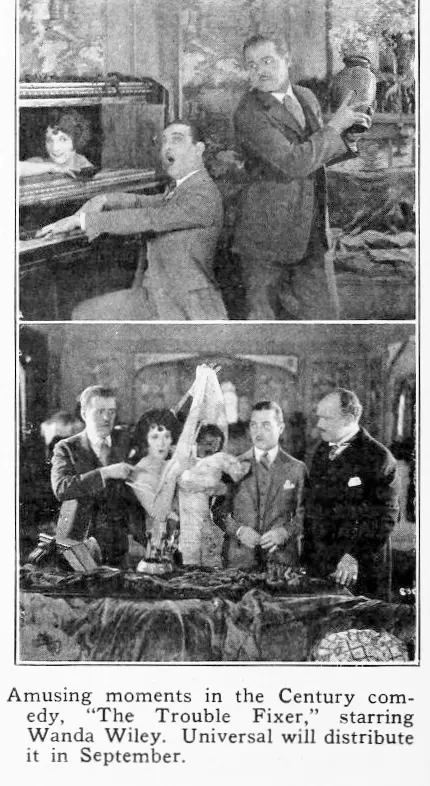
still_frame
Comparing the cinematic DNA and archive impact of two defining moments in cult history.
Albert Herman
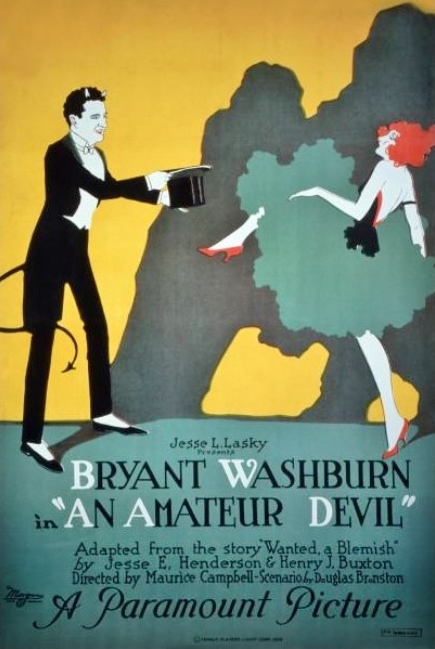
Maurice Campbell
Community
Log in to comment.
" The silent era’s fascination with the volatility of the nuclear family finds a dizzying, almost hallucinatory expression in The Trouble Fixer. Directed by the prolific Albert Herman, this 1924 romp serves as a definitive showcase for Wanda Wiley, an actress whose comedic timing possessed the precision of a Swiss watch and the explosive unpredictability of a loose firework. Unlike the more grounded domesticity found in The Price of Her Soul, Herman’s work here opts for a surrealist escalation,..."