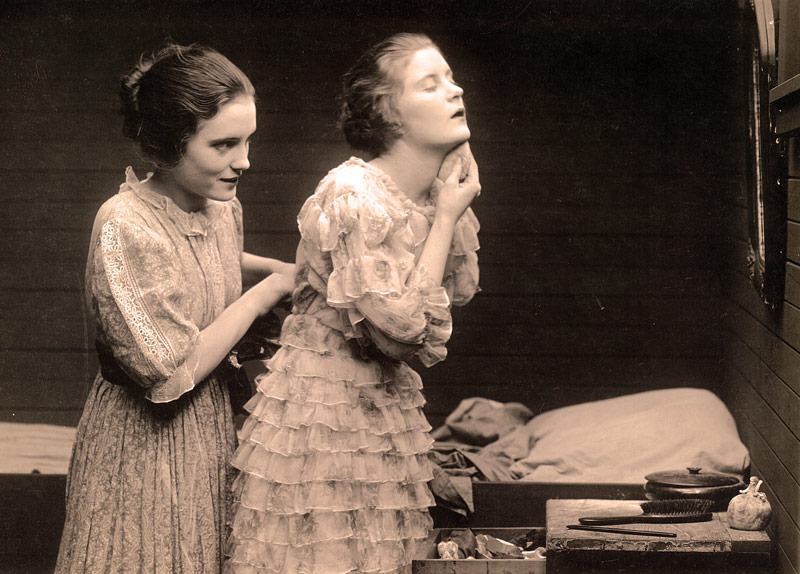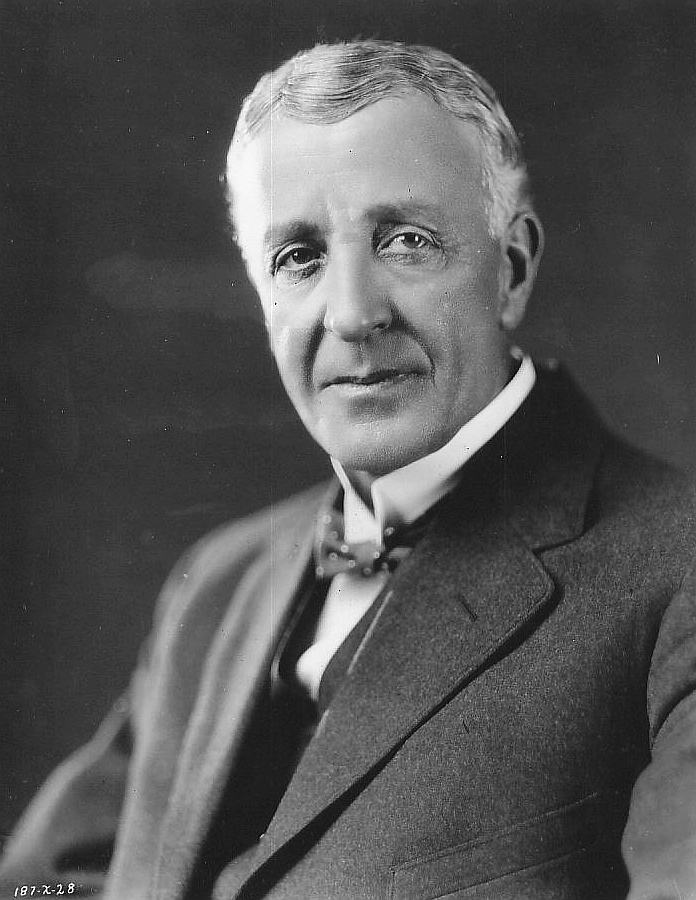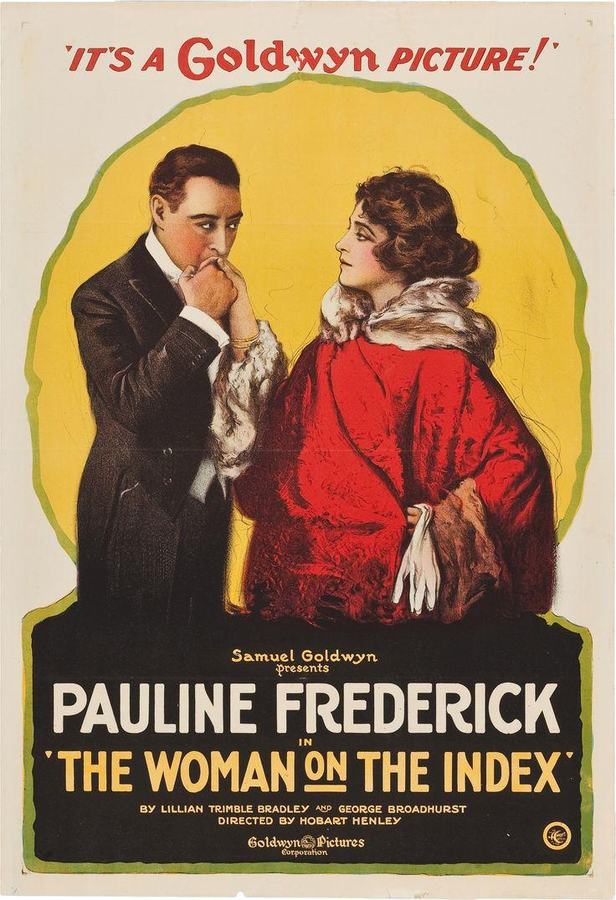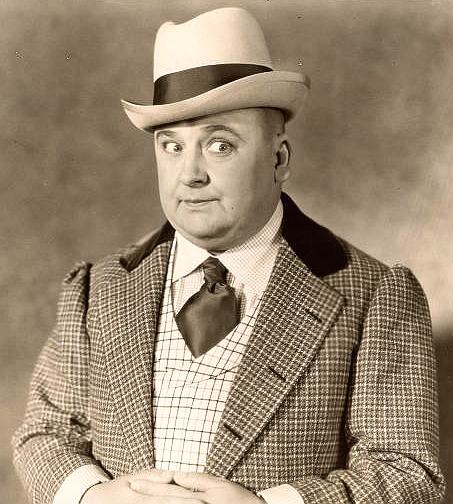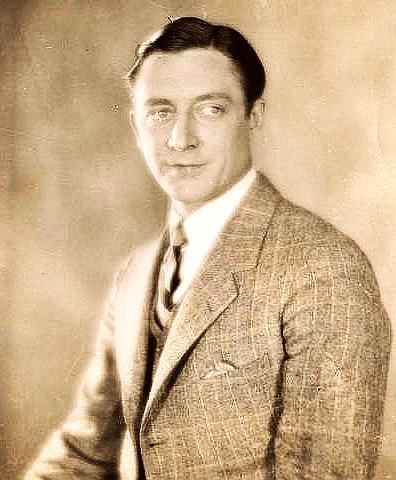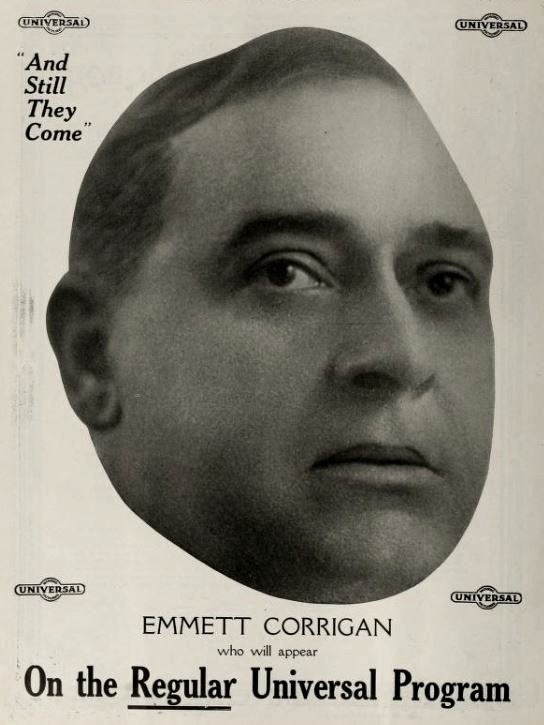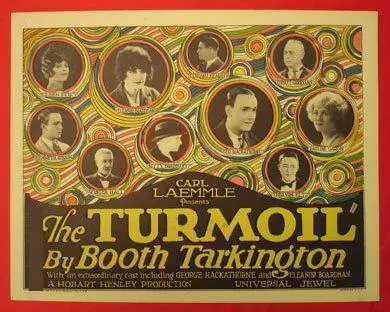
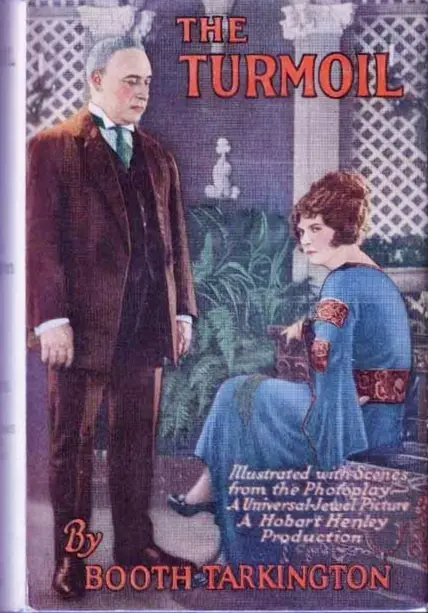
Industrialist James Sheridan, Sr., once a laborer, insists on molding the careers of his three sons; however, he loses James, Jr.

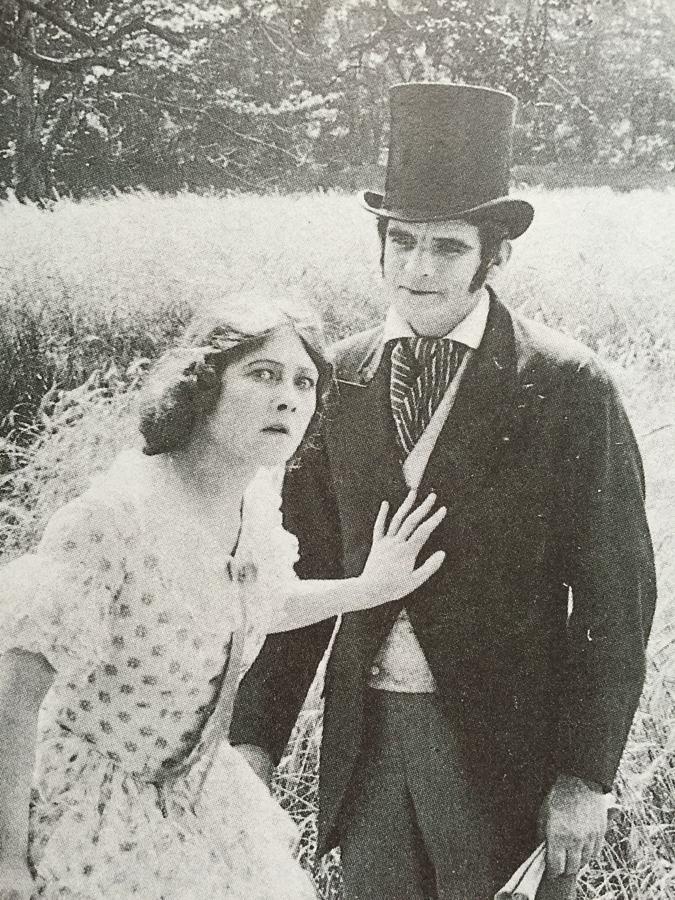
The Industrial Leviathan and the Crushing Weight of LegacyIn the pantheon of 1924 cinema, few films capture the suffocating atmosphere of the burgeoning American industrial machine with as much psychological acuity as Hobart Henley’s The Turmoil. Adapted from Booth Tarkington’s novel, this silent masterpiece serves as ...
product
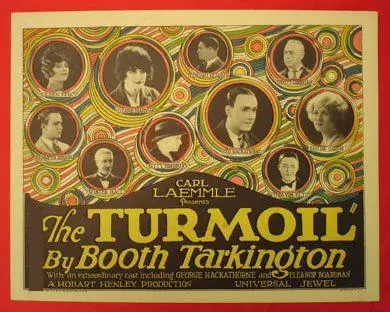
production_art

Comparing the cinematic DNA and archive impact of two defining moments in cult history.
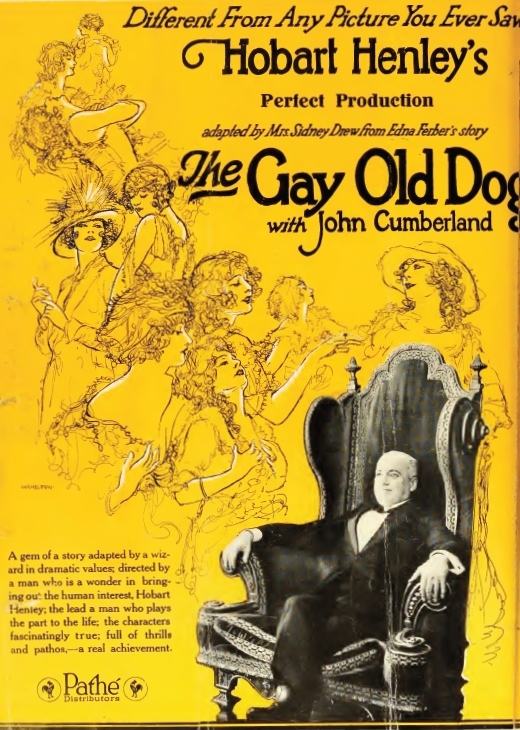
Hobart Henley
Hobart Henley
Community
Log in to comment.
"The Industrial Leviathan and the Crushing Weight of LegacyIn the pantheon of 1924 cinema, few films capture the suffocating atmosphere of the burgeoning American industrial machine with as much psychological acuity as Hobart Henley’s The Turmoil. Adapted from Booth Tarkington’s novel, this silent masterpiece serves as a grim indictment of the 'self-made man' archetype. James Sheridan, Sr., portrayed with a terrifying, monolithic intensity by Emmett Corrigan, is not merely a character; he is the ..."
Edward T. Lowe Jr., Booth Tarkington
United States