About a poem of Longfellow. The skipper of a ship took his daughter along for company on ill fated voyage.

Is "The Wreck of the Hesperus" worth your time today? Short answer: yes, but only if you possess a deep appreciation for the unyielding gloom of Victorian tragedy and the stark, experimental aesthetics of late silent cinema. This film is specifically for those who enjoy maritime folklore and the slow-burn dread of a pr...
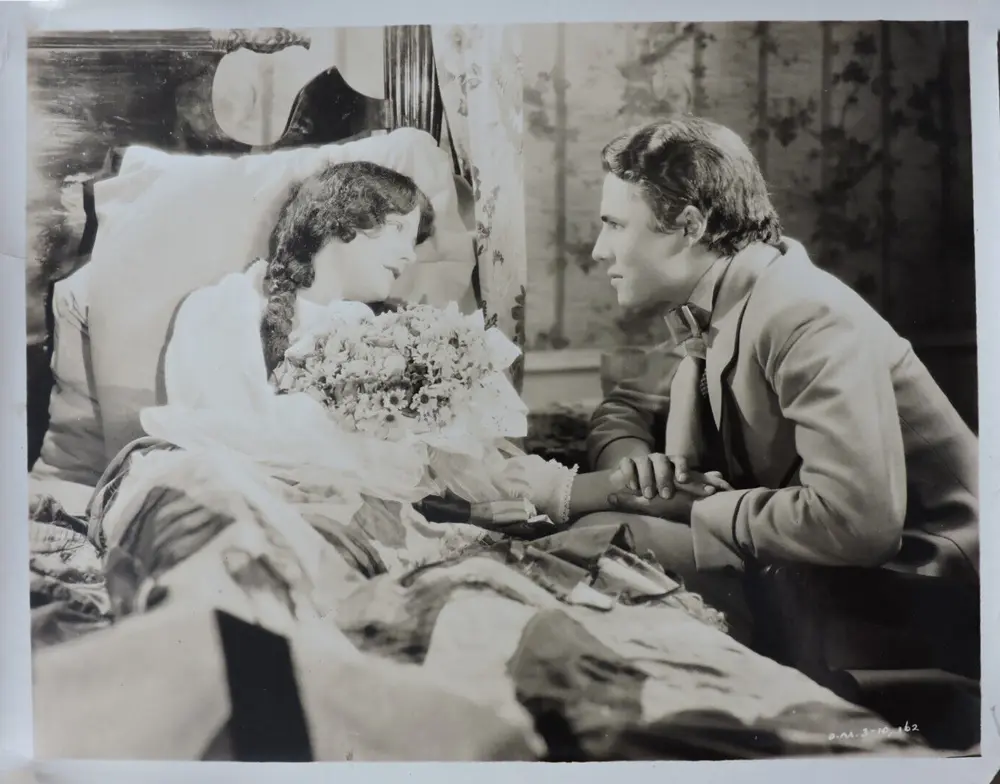
still_frame
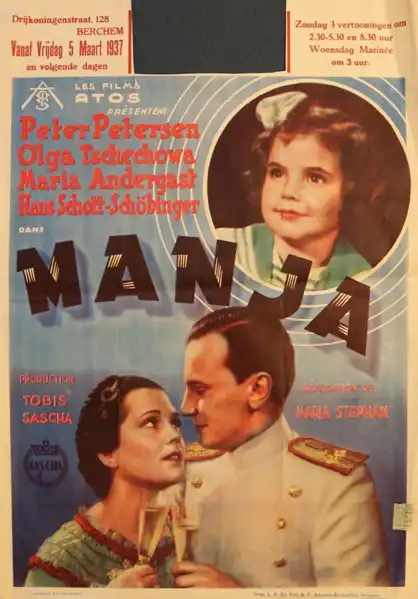
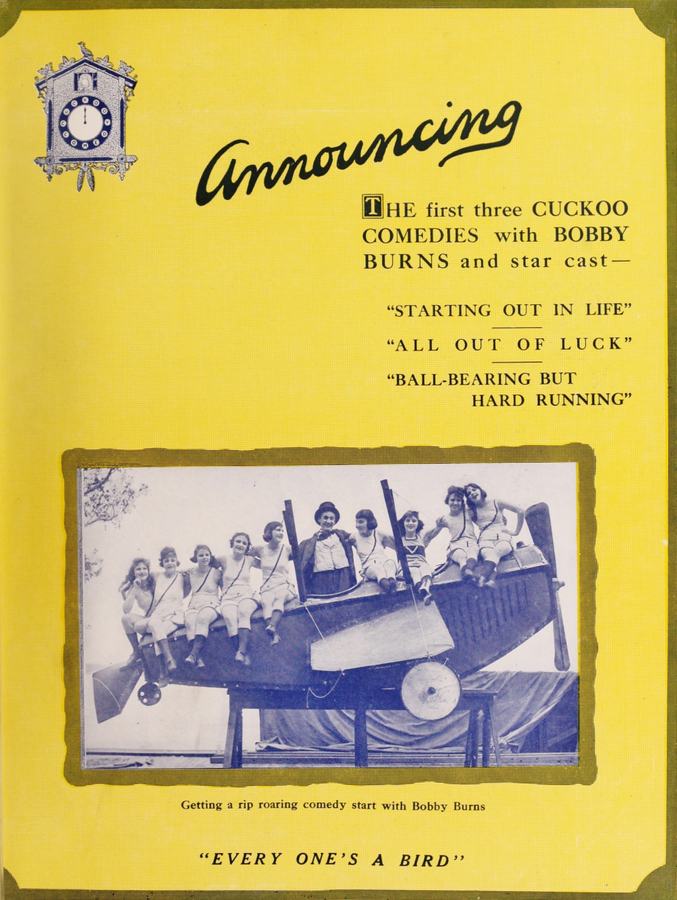
Comparing the cinematic DNA and archive impact of two defining moments in cult history.
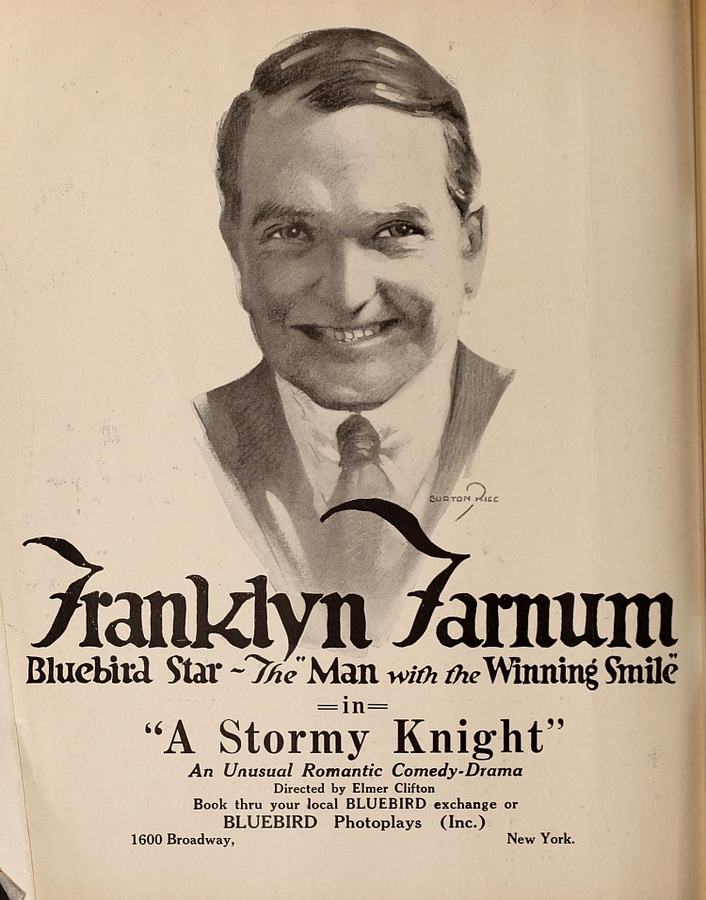
Elmer Clifton
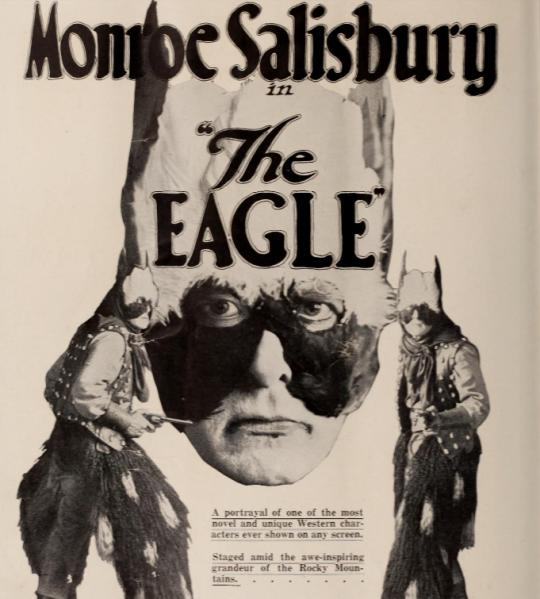
Elmer Clifton
Community
Log in to comment.
"Is "The Wreck of the Hesperus" worth your time today? Short answer: yes, but only if you possess a deep appreciation for the unyielding gloom of Victorian tragedy and the stark, experimental aesthetics of late silent cinema. This film is specifically for those who enjoy maritime folklore and the slow-burn dread of a pre-ordained disaster; it is definitely not for viewers who require a redemptive arc or modern pacing to stay engaged.The film exists as a fascinating relic of 1920s filmmaking, atte..."

Milton Holmes
John W. Krafft, Henry Wadsworth Longfellow, John Farrow
United States
Deep dive into the cult classic
Discover similar cinematic experiences
A Directorial Spotlight on Elmer Clifton