Summary
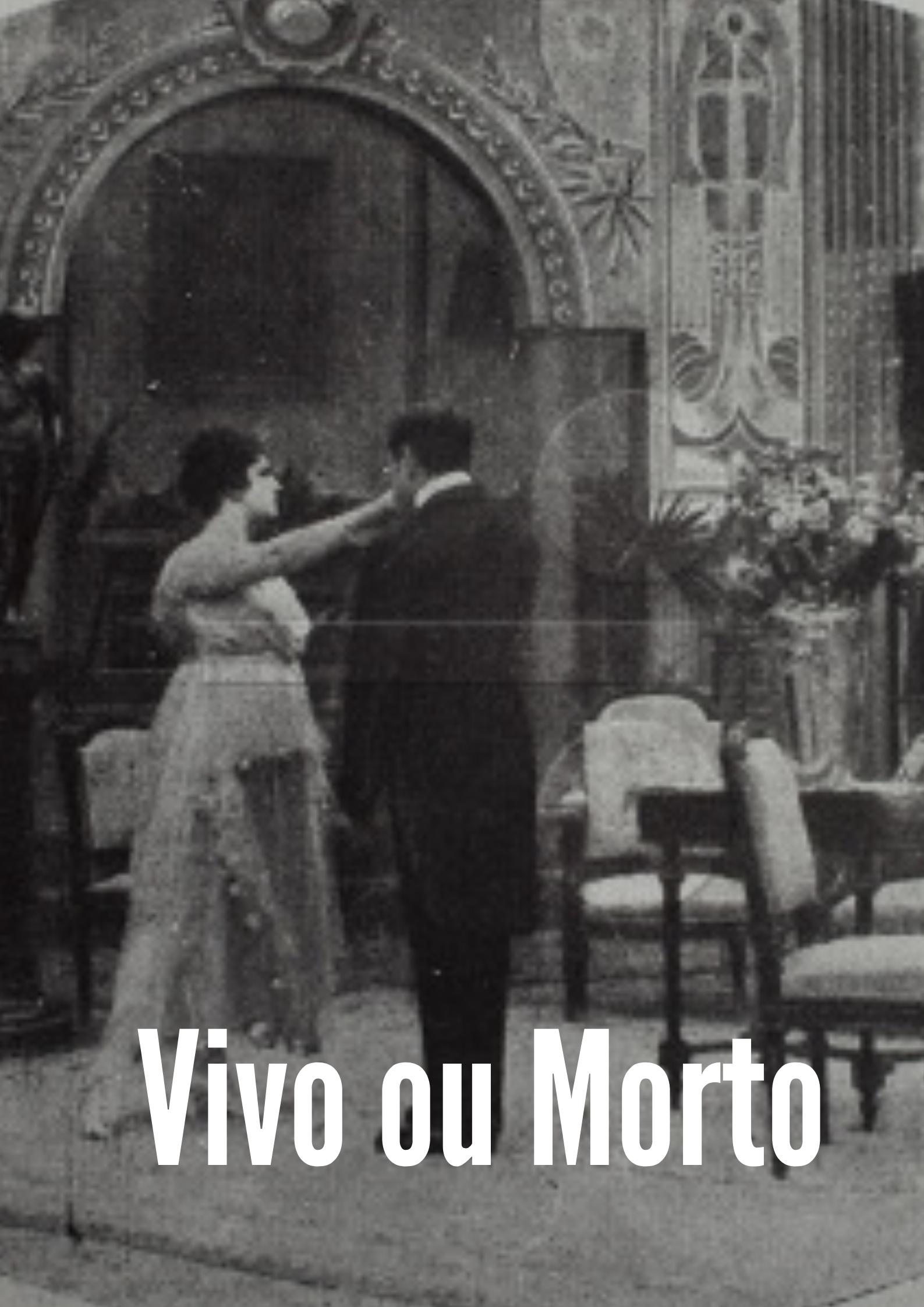
The opulent, yet morally shadowed world of Brazil's burgeoning coffee empire forms the backdrop for "Vivo ou Morto," a gripping narrative dissecting the very essence of familial loyalty and rapacious ambition. At its core is Augusto, a patriarchal figure whose sudden, inexplicable disappearance shatters the fragile peace of his vast estate. Into this vacuum steps Dr. Álvaro, his seemingly solicitous nephew, a man whose polished exterior belies a calculating, avaricious spirit. Álvaro swiftly orchestrates a campaign to declare Augusto legally deceased, aiming to consolidate control over the family's immense wealth and the lives of its countless laborers, a move that would solidify his dominion over an entire region. However, the indomitable Sofia, Augusto's daughter, refuses to capitulate to this manufactured grief. Possessing a fierce independence and an intuition that pierces through societal artifice, she is convinced her father endures. Her solitary quest for truth unexpectedly aligns her with Ricardo, a jaded but principled journalist, whose investigative instincts have already flagged Álvaro's suspicious rise. Their unlikely alliance propels them from the gilded cages of Rio's elite salons, where whispers of scandal are as common as the clinking of champagne glasses, to the sprawling, often brutal, landscapes of the coffee plantations. As they delve deeper, a chilling conspiracy unravels: Augusto is not merely missing; he is a prisoner. Álvaro, with the aid of his clandestine network, has secreted him away in a remote, ostensibly therapeutic sanatorium, a place of isolated despair. Here, Augusto is systematically incapacitated, his mind clouded by potent sedatives, rendering him a silent, incoherent specter of his former self. Álvaro's ultimate design is a slow, insidious poisoning, ensuring Augusto's "natural" demise perfectly aligns with his legal declaration of death. The film crescendos into a breathless race against the clock, as Sofia and Ricardo must navigate a web of deception, evade Álvaro's increasingly desperate machinations, and ultimately, liberate Augusto before his engineered demise becomes an irreversible tragedy. The title "Vivo ou Morto" thus resonates with profound irony, encapsulating not only Augusto's physical state but also the moral life-or-death struggle for justice and truth within a society teetering on the precipice of its own burgeoning modernity.
Review Excerpt
"
In the annals of early cinema, certain works transcend their temporal confines, speaking to universal human experiences with a resonance that defies the passage of decades. Vivo ou Morto, a cinematic marvel from a bygone era, unequivocally belongs to this rarefied category. It is a film that, even in its silent grandeur, articulates a narrative so potent, so emotionally charged, that it grips the viewer with an almost visceral intensity. This is not merely a story told through flickering images..."