
Austria
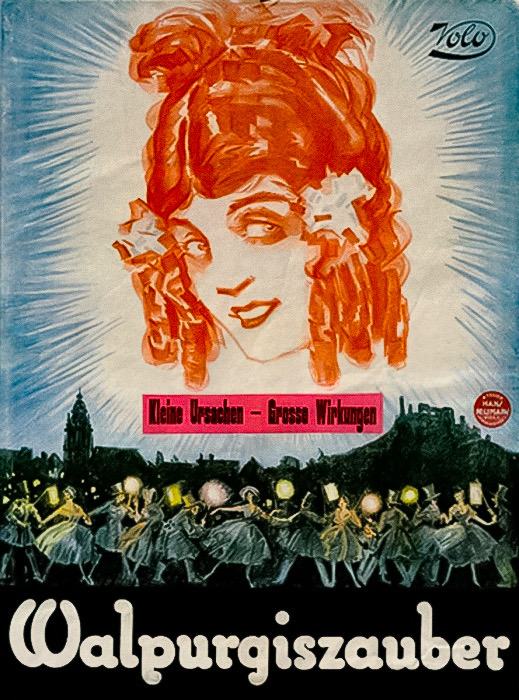
The silent era of the 1920s was not merely a period of technical gestation; it was a fever dream of visual storytelling that reached its zenith in the mystical landscapes of Central European cinema. Hans Steinhoff’s Walpurgiszauber (1923) stands as a monumental, if occasionally overlooked, pillar of this evocative e...
publicity

publicity
Comparing the cinematic DNA and archive impact of two defining moments in cult history.
Ernst Marischka

Ernst Marischka
Community
Log in to comment.
" The silent era of the 1920s was not merely a period of technical gestation; it was a fever dream of visual storytelling that reached its zenith in the mystical landscapes of Central European cinema. Hans Steinhoff’s Walpurgiszauber (1923) stands as a monumental, if occasionally overlooked, pillar of this evocative epoch. To view this film today is to step into a time capsule where the grain of the celluloid serves as a mist through which the ghosts of the past dance. Unlike the industrial pre..."