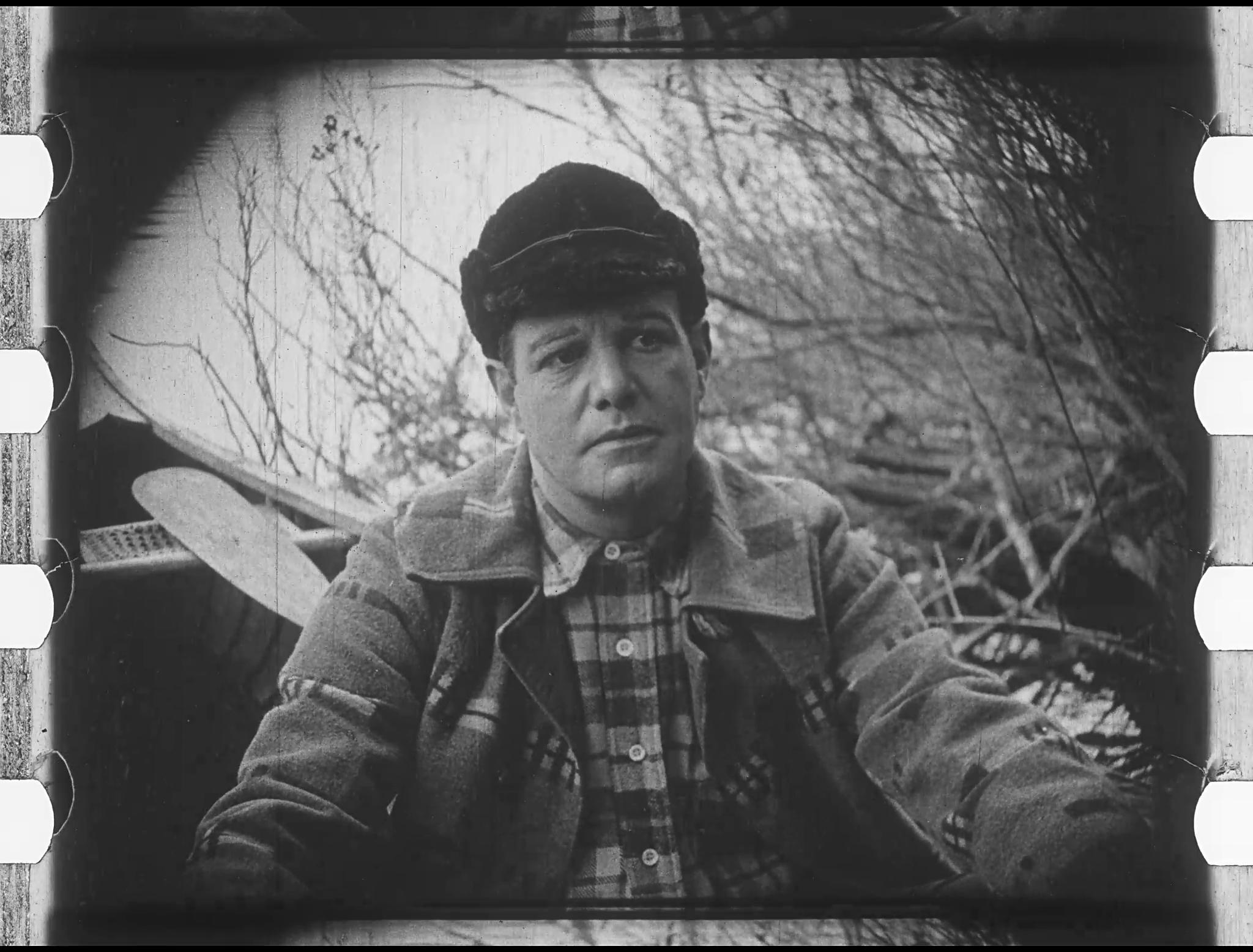
The Dingo (1923) Film Review | A Masterclass in Australian Silent Cinema
The year 1923 remains a watershed moment for the nascent Australian film industry, a period where the celluloid medium struggled to carve out a distinct national identity amidst the encroaching shadows of Hollywood’s burgeoning empire. Standing tall within this historical landscape is The Dingo, a production that def...
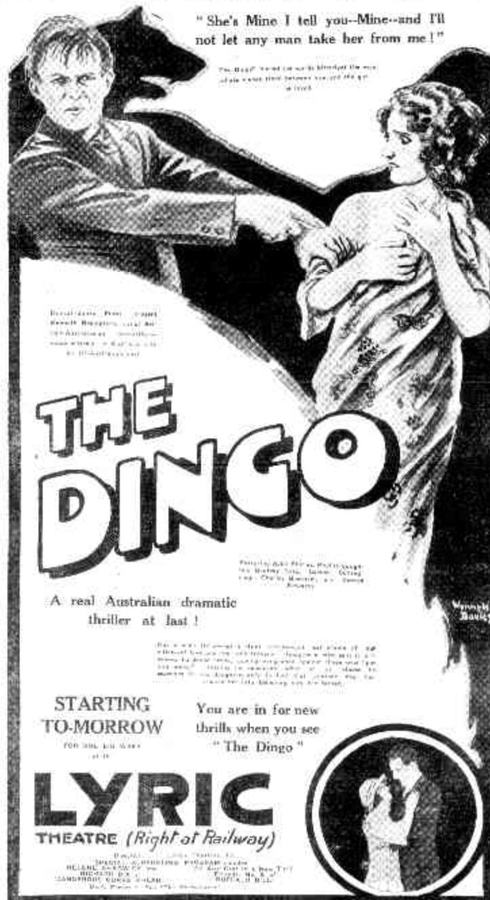
In the untamed, sun-bleached expanse of the Australian hinterland, Kenneth Brampton’s 'The Dingo' unfurls a narrative tapestry woven with threads of social ostracization and the primal urge for redemption. The titular protagonist, portrayed with a weathered gravitas by George Edwards, exists on the periphery of colonial respectability, a human manifestation of the wild canine that shares his moniker. The plot pivots on a volatile axis of class friction and hidden identities when a squatter’s daughter (Phyllis Coughlan) becomes the catalyst for an explosive confrontation between the lawless bush and the rigid structures of the burgeoning township. Godfrey Cass delivers a performance of chilling calculatedness as the antagonist whose greed threatens the fragile equilibrium of the frontier. As the narrative descends into the shadowy gullies of the outback, the film transcends simple melodrama, evolving into a stark meditation on the 'outcast' archetype and the inherent violence of the Australian landscape. The script, co-penned by Brampton and Coughlan, eschews the sentimentalities of its era, opting instead for a gritty realism that mirrors the unforgiving terrain it depicts.
Review Excerpt
"
The year 1923 remains a watershed moment for the nascent Australian film industry, a period where the celluloid medium struggled to carve out a distinct national identity amidst the encroaching shadows of Hollywood’s burgeoning empire. Standing tall within this historical landscape is The Dingo, a production that defies the simplistic tropes of the 'bushranger' genre to offer something far more psychologically complex. Directed by Kenneth Brampton, this film is not merely a relic of a bygone e..."