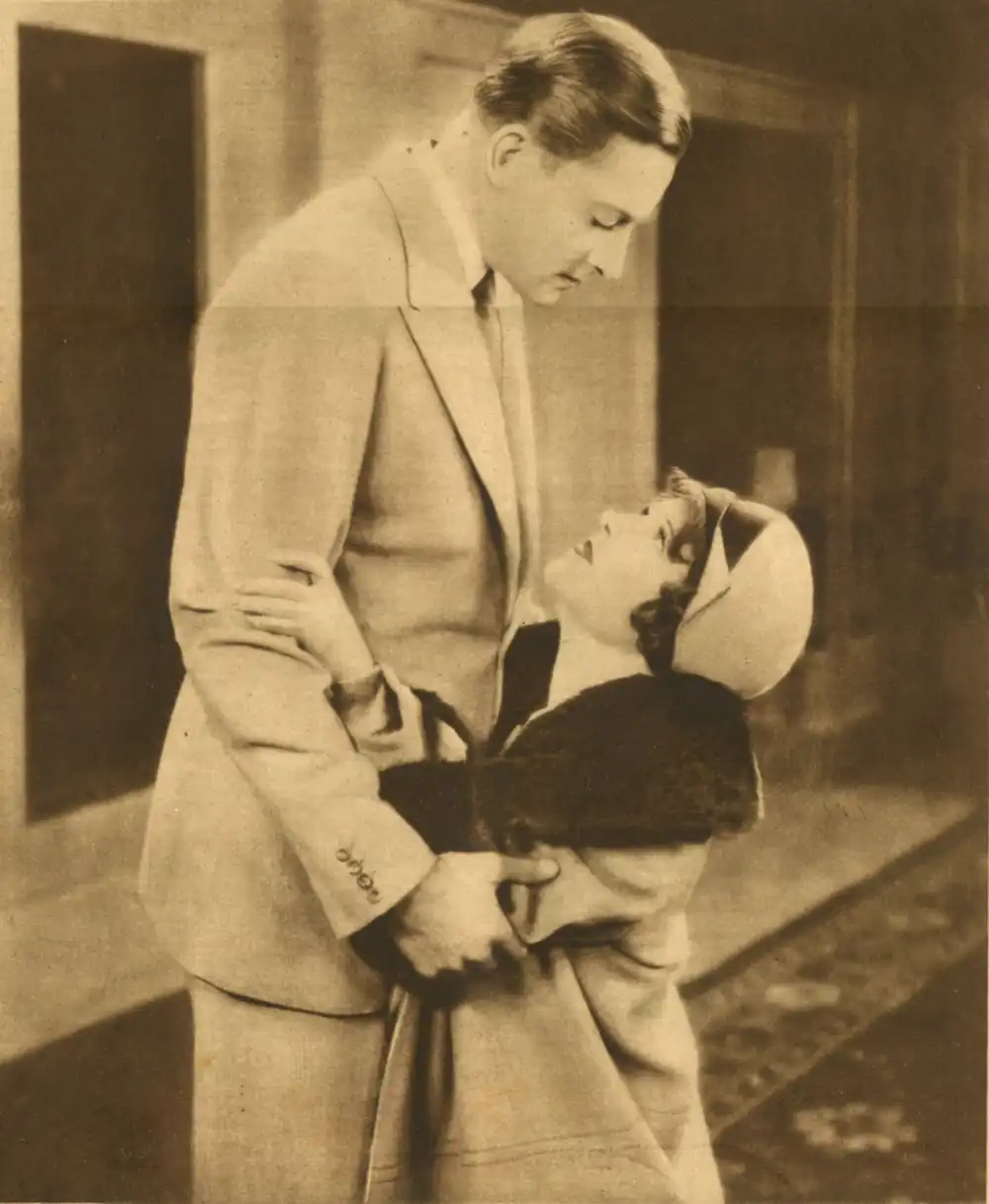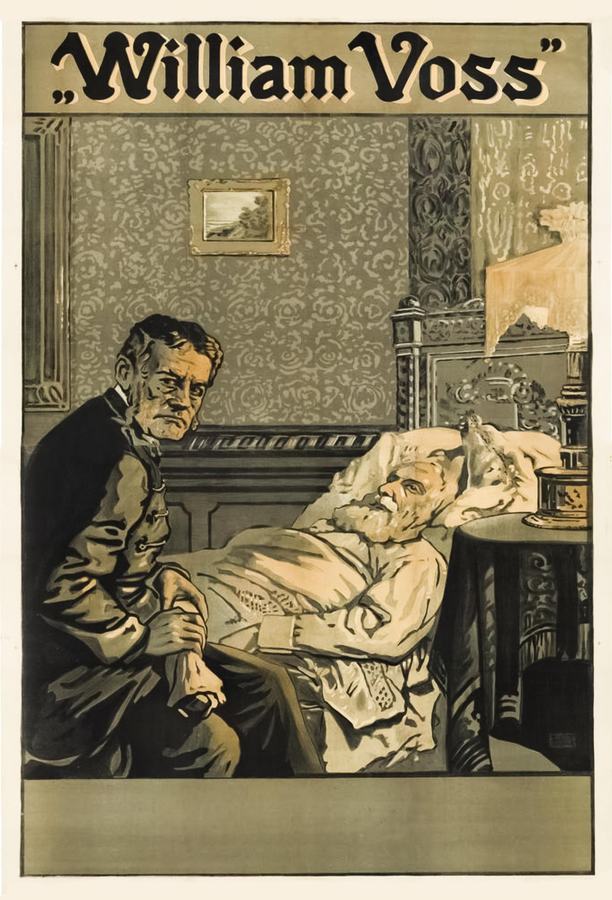
The Elusive Shadow: A Deep Dive into 'William Voß. Der Millionendieb' In the annals of early cinematic history, where the flickering images told stories with an eloquence often lost in the clamor of sound, certain films emerge as more than mere entertainment; they become cultural artifacts, windows into a bygo...

Comparing the cinematic DNA and archive impact of two defining moments in cult history.
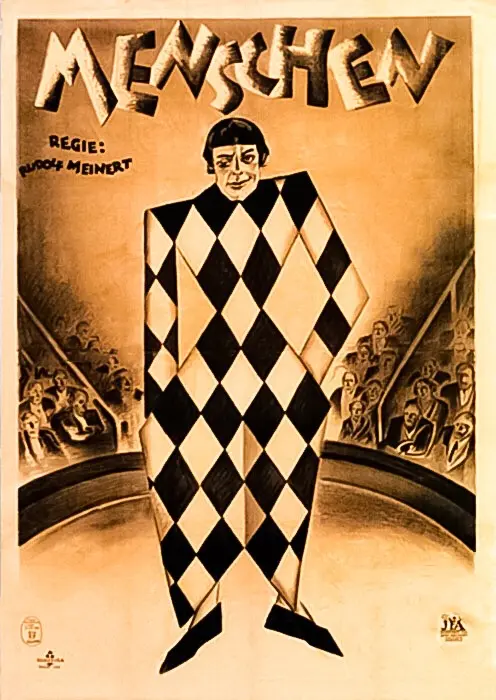
Rudolf Meinert
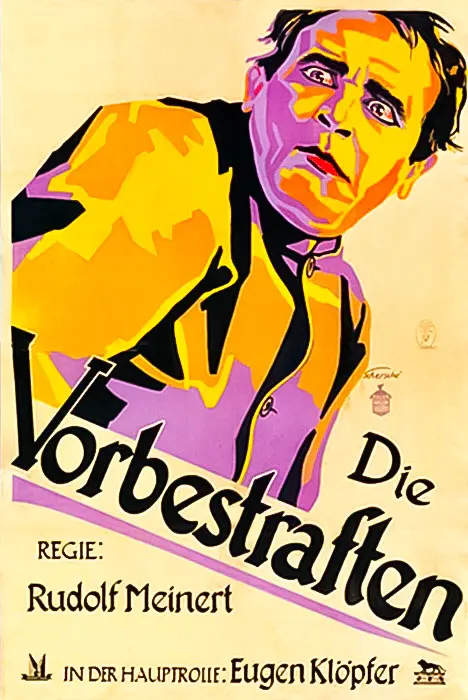
Rudolf Meinert
Community
Log in to comment.
" The Elusive Shadow: A Deep Dive into 'William Voß. Der Millionendieb' In the annals of early cinematic history, where the flickering images told stories with an eloquence often lost in the clamor of sound, certain films emerge as more than mere entertainment; they become cultural artifacts, windows into a bygone era's anxieties and aspirations. Rudolf Meinert's 'William Voß. Der Millionendieb' stands as one such fascinating relic, a silent crime drama that, despite the passage of time, ..."


Deep dive into the cult classic
Discover similar cinematic experiences
A Directorial Spotlight on Rudolf Meinert