Summary
In the soot-choked alleyways of an unnamed colonial port, a mute dock-boy known only as Yap—his name the single syllable the world hurls at him like a curse—collects discarded cigarette butts and half-rotted mango skins, trading them for scraps of language he hoards in a rusted sardine tin. One midnight, a three-masted schooner glides in with a cargo of mirrors; each pane, when stared into long enough, exhales a ghost of the onlooker’s future. Yap, lured by his own reflection wearing a velvet waistcoat and speaking fluent verse, steals the smallest mirror and barters it for a ticket aboard the vessel, believing eloquence lies just beyond the horizon. At sea he is shackled to the oars alongside convicts who sing in languages that dissolve into brine; their cadences infect his muteness until his throat births a sound halfway between a sob and a psalm. A tempest splits the hull, and Yap washes up on a coral island where the sand is white as unspoken words. Here he meets an aging tenor exiled from the opera houses of Europe—his vocal cords ruined by syphilis—who teaches Yap that silence can be orchestrated like a coloratura scale. They construct a theater of driftwood and moonlight, performing pantomimes for seabirds who respond with wings that beat in iambic rhythm. When a passing steamer offers rescue, Yap remains: he has learned that speech is merely one currency among many, and his poverty of voice has become a sovereignty of listening. Years later, a documentary crew arrives; they find a man whose eyes reflect the entire ocean yet whose mouth still shapes no syllables. In the final reel, Yap walks into the surf holding the original cracked mirror: as the water reclaims him, the glass flashes not his face but the viewer’s own, silently mouthing the word ‘Yap’—a benediction, an accusation, an endless echo.
Review Excerpt
"
I. The Harbor of Unspoken Names
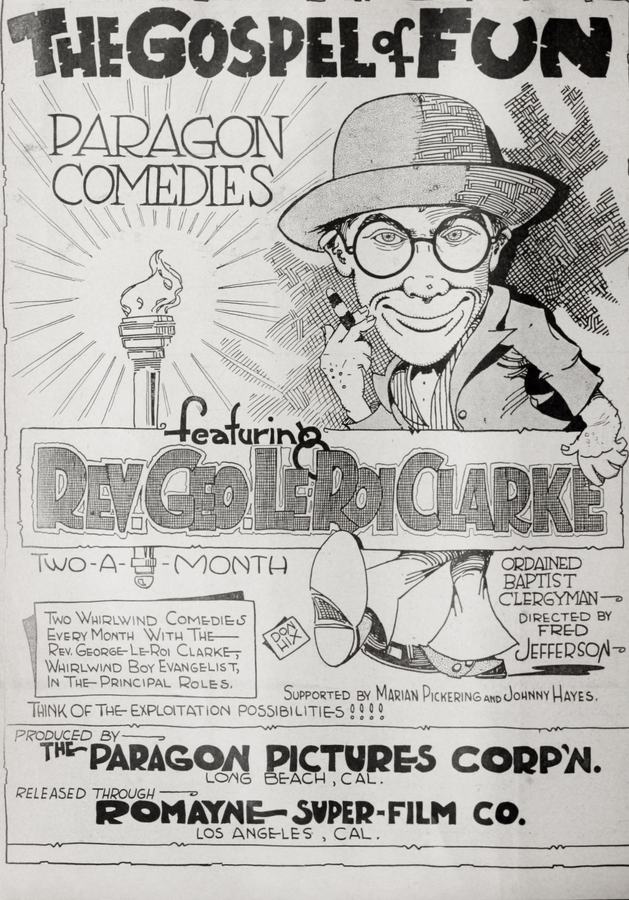
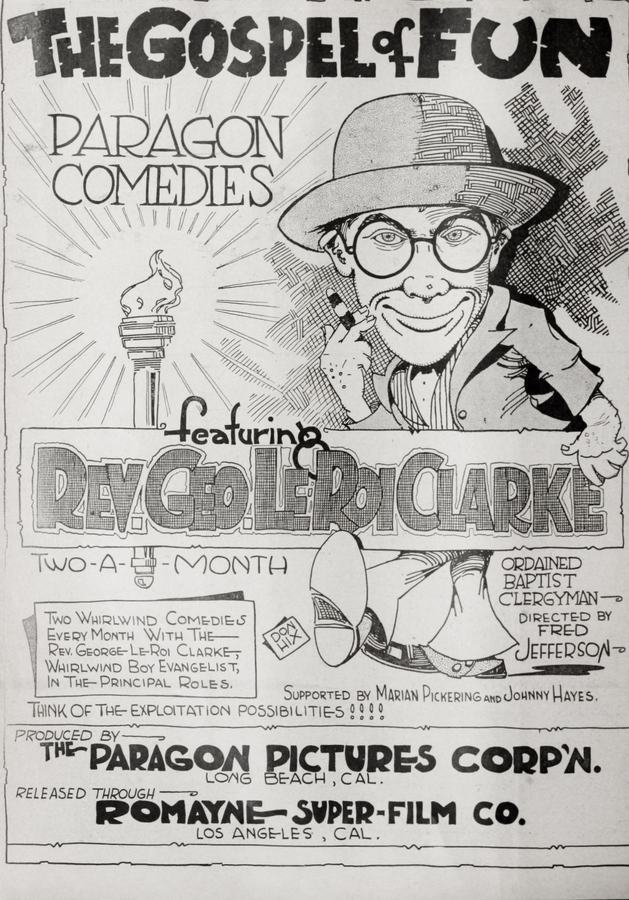
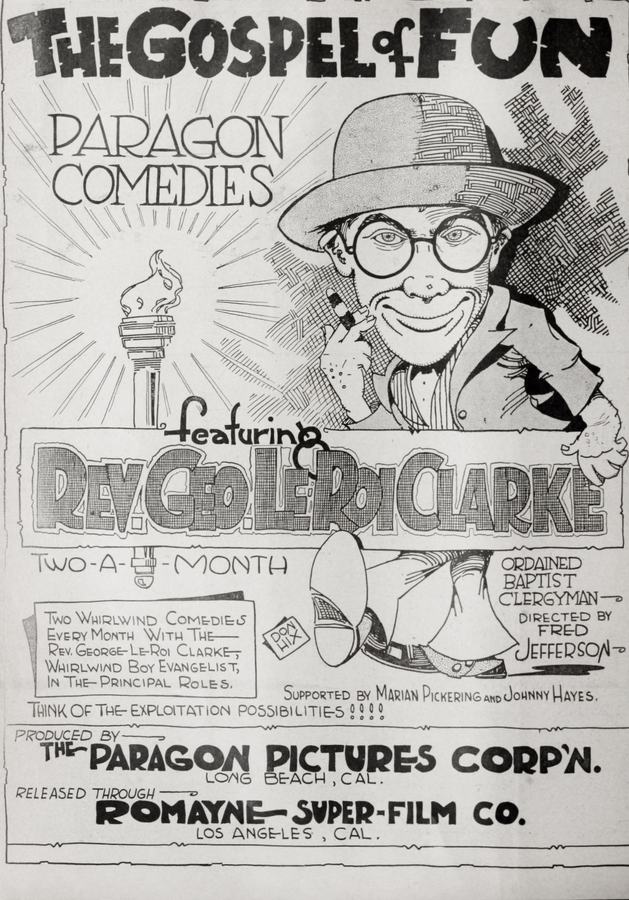
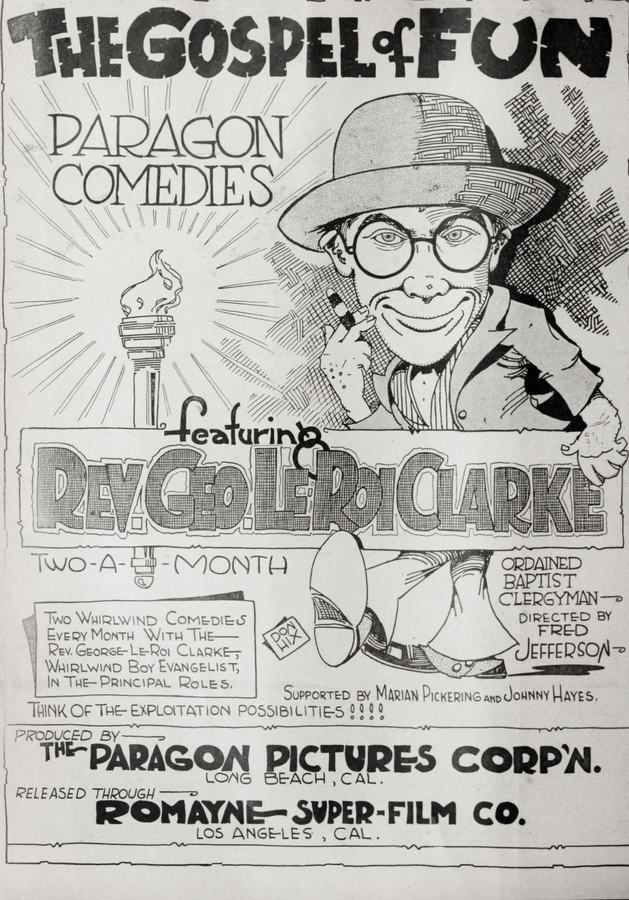
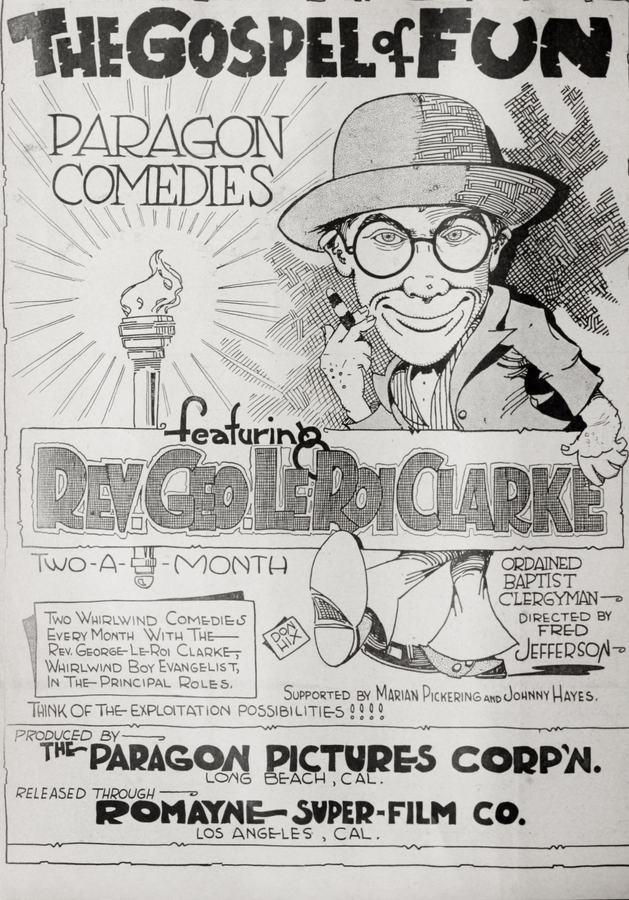
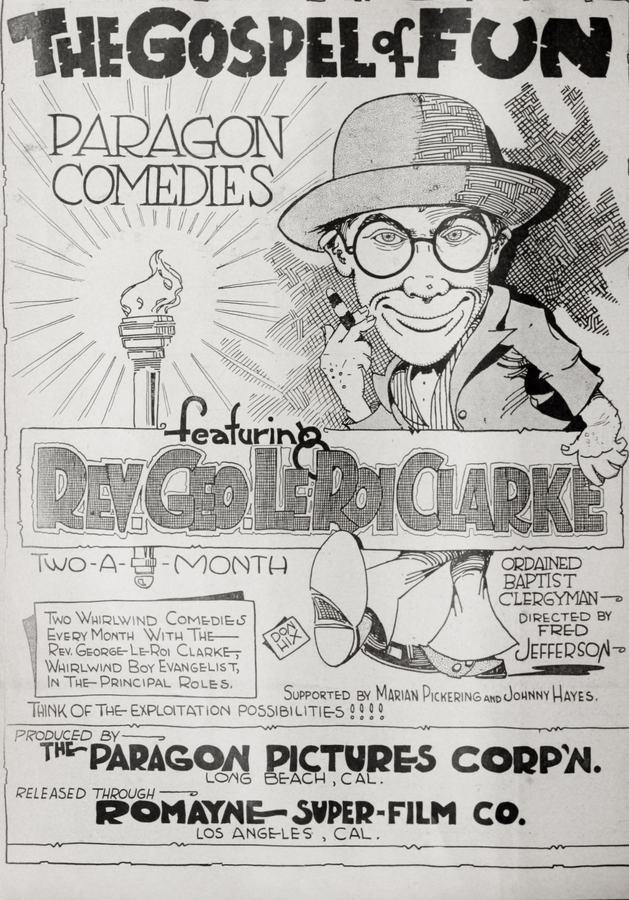
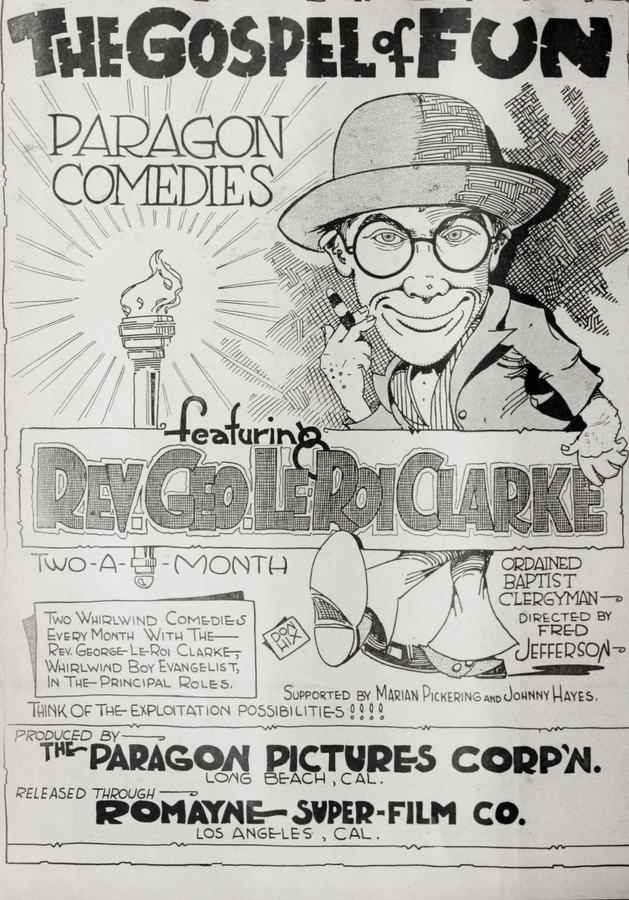
George LeRoi Clarke’s Yap arrives like a telegram from a drowned civilization, its nitrate emulsion already curling at the edges as if the film itself were trying to return to salt. There is no intertitle that tells us the port city is Cartagena, Valparaíso, or some fever-dream amalgam; instead, the camera glides past quayside taverns where prostitutes wear communion veils and sailors sport roses behind ears like blood clots. Clarke’s face—half-child, half-carri..."