DbcultAccessing Vault...
Cult Review
Senior Film Conservator
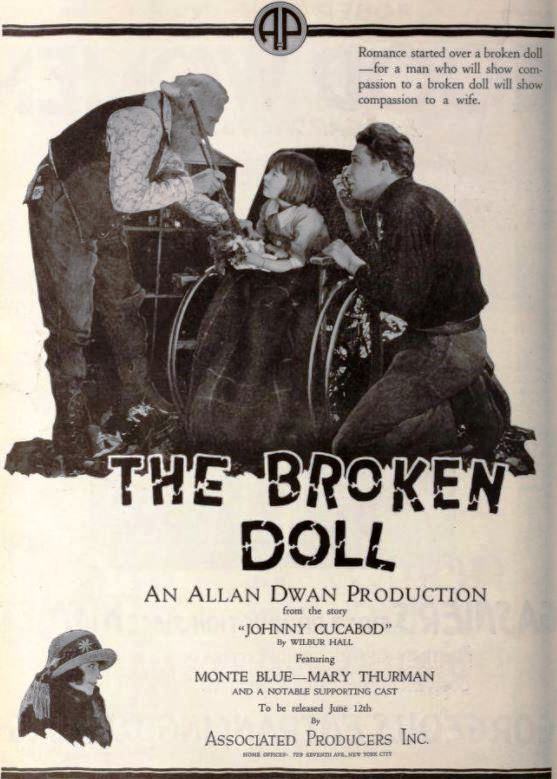
A Broken Doll, a 1923 silent film directed by the prolific Allan Dwan, is a masterclass in economical storytelling. At its heart lies a collision of youthful fragility and adult desperation, set against the sun-scorched backdrop of a ranch where power dynamics simmer beneath the surface. The film’s title—a seemingly innocuous object—becomes a metaphor for the shattering of trust and the irreparable consequences of a single act of violence. With a runtime that demands attention to every frame, Dwan and co-writer Lillian Ducey create a narrative that lingers long after the credits roll.
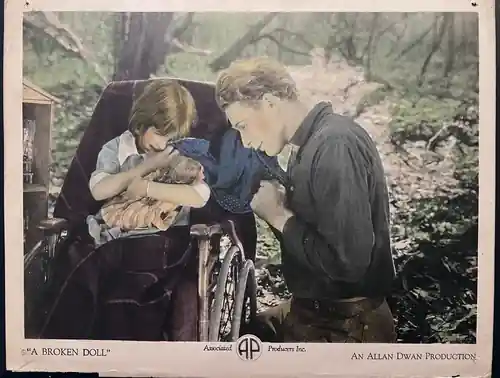
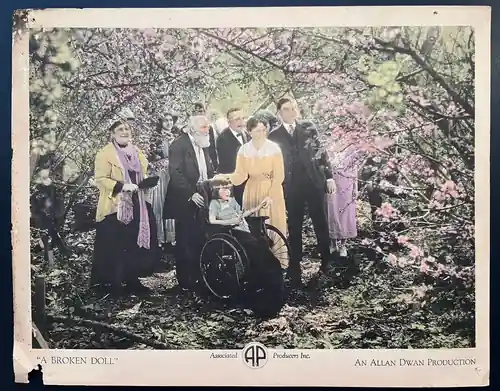
The film opens with a deceptively tranquil scene: ranch hand Tommy Dawes (Monte Blue), a figure of quiet resolve, tends to the land under the watchful eye of his crippled employer, Bill Nyall, and the latter’s daughter, Rosemary (Mary Thurman). The bond between Tommy and the young Rosemary is immediate and tender—a relationship that transcends mere caretaker and ward. Their interactions are filled with unspoken understanding, the ranch’s isolation amplifying the intimacy. Yet this idyll is shattered when Tommy, in a moment of clumsiness, breaks Rosemary’s cherished doll. The incident, seemingly minor, becomes the fulcrum upon which the film’s moral universe pivots.
Tommy’s decision to borrow a $20 gold piece from the foreman to replace the doll is fraught with implications. The act is both a gesture of love and a tacit admission of his own complicity in the ranch’s class-stratified hierarchy. The foreman’s mattress—a symbolic vault of the ranch’s economic structure—becomes the source of Tommy’s salvation and subsequent downfall. When an escaped convict ambushes Tommy en route to town, the theft of the gold piece ignites a chain reaction of misunderstanding and injustice. The sheriff’s arrest of Tommy, mistaking him for the convict, is the film’s turning point, a stark reminder of how easily one’s identity is reduced to a single transgression.
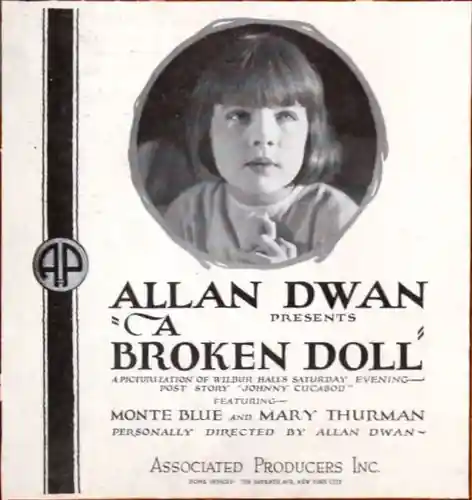
The film’s strength lies in its restraint. Dwan’s direction avoids melodrama, instead relying on the actors’ nuanced performances and the starkness of the setting to convey emotion. Mary Thurman’s portrayal of Rosemary is particularly noteworthy. Her physical limitations, which could have been a narrative crutch, are instead transformed into a narrative of resilience. Her interactions with Tommy are imbued with a quiet authority, her vulnerability never overshadowing her agency. Similarly, Monte Blue’s Tommy is a study in understated anguish, his stoicism cracking only in fleeting moments of despair.
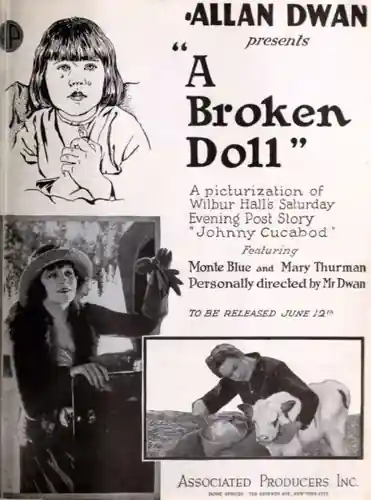
The film’s visual language is equally compelling. The ranch, with its weathered fences and sprawling vistas, becomes a character in its own right. The doll, a recurring motif, is shot with an almost religious reverence, its porcelain face a mirror to the characters’ inner turmoil. When the doll is broken, the camera lingers on the shards, a silent testament to the fragility of human connections. The contrast between the warm hues of the ranch scenes and the cold, harsh tones of Tommy’s imprisonment underscores the film’s exploration of justice and retribution.
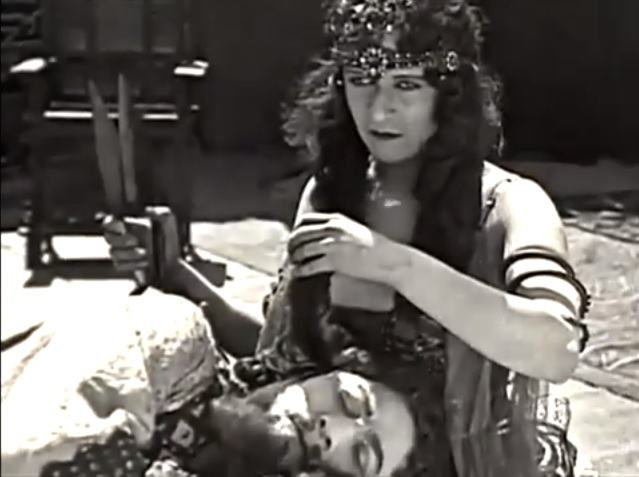
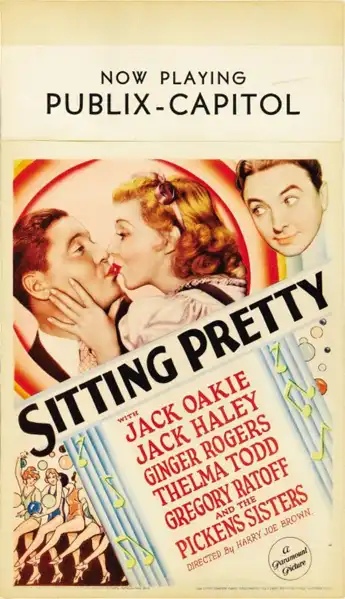
A Broken Doll’s narrative parallels with other silent films of the era are both illuminating and instructive. Like The Society Bug, it examines the rigid social structures that trap individuals in cycles of power and subjugation. However, where On the Spanish Main leans into swashbuckling adventure, A Broken Doll opts for a more intimate, character-driven approach. Its themes of misplaced blame and the corrosive nature of prejudice echo in Should a Woman Tell?, though here the focus is on a male protagonist’s fall from grace. These comparisons highlight the film’s unique contribution to early cinema’s preoccupation with moral ambiguity.
The film’s climax is a masterstroke of tension. Tommy’s arrest and the subsequent legal proceedings are rendered with a taut precision that keeps the audience in suspense. The sheriff’s bumbling incompetence—a staple of early Westerns—is here inverted into a tragicomedy of errors. The resolution, though bittersweet, avoids the saccharine tidy-ups of many contemporaneous films. Instead, it leaves lingering questions about the cost of justice and the resilience of the human spirit. In this, A Broken Doll feels remarkably modern, its themes of systemic injustice and individual accountability as relevant today as in 1923.
Technically, the film is a marvel. The use of intertitles is sparse but effective, allowing the visuals to convey subtext. The editing is crisp, with transitions that emphasize the passage of time and the growing tension. The score, though silent films lack soundtracks, is suggested through the rhythmic pacing of the dialogue and the actors’ movements. Every frame is composed with purpose, from the close-ups that capture Rosemary’s wide-eyed wonder to the wide shots that dwarf the characters against the vast, indifferent landscape.
The film’s legacy is somewhat obscured by the passage of time, but for those willing to engage with its subtleties, A Broken Doll offers a profound meditation on the intersections of power, innocence, and survival. It is a film that rewards repeat viewings, each time revealing new layers of meaning in its deceptively simple plot. In an era when cinema was still finding its voice, Dwan and Ducey crafted a story that speaks volumes about the human condition. The film remains a testament to the power of visual storytelling, a reminder that even in silence, the truth can be deafening.
IMDb 6.6
1923
Community
Log in to comment.