DbcultAccessing Vault...
6.4/10
Senior Film Conservator
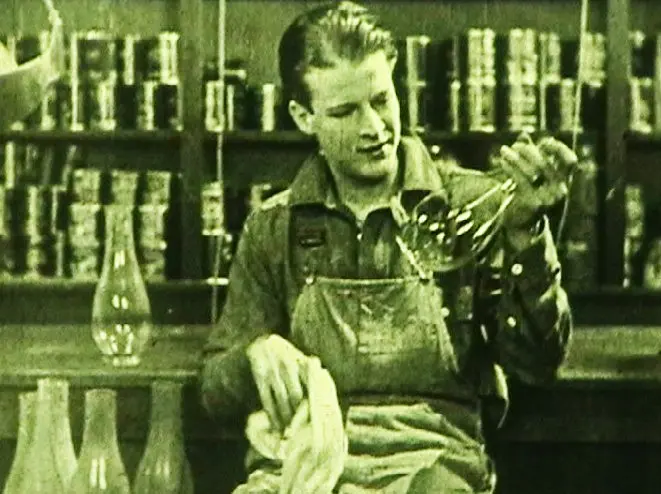
A definitive 6.4/10 rating for a film that redefined the boundaries of cult cinema. A Man About Town remains a cornerstone of transgressive art.
Is this film worth watching today? Short answer: No, unless you are a dedicated historian of silent-era short subjects or an O. Henry completist. While it offers a brief glimpse into the social anxieties of the late 1920s, it lacks the technical innovation or emotional resonance to stand as a must-watch for the average modern viewer.
This film is for students of the silent era and those who appreciate the narrative economy of early short-form storytelling. It is NOT for anyone seeking high-octane action, complex character arcs, or the visual polish of late-silent masterpieces like Sunrise. It is a relic, interesting for its DNA but limited in its execution.
1) This film works because it captures the specific urban irony of O. Henry’s writing through clever, albeit dated, visual cues.
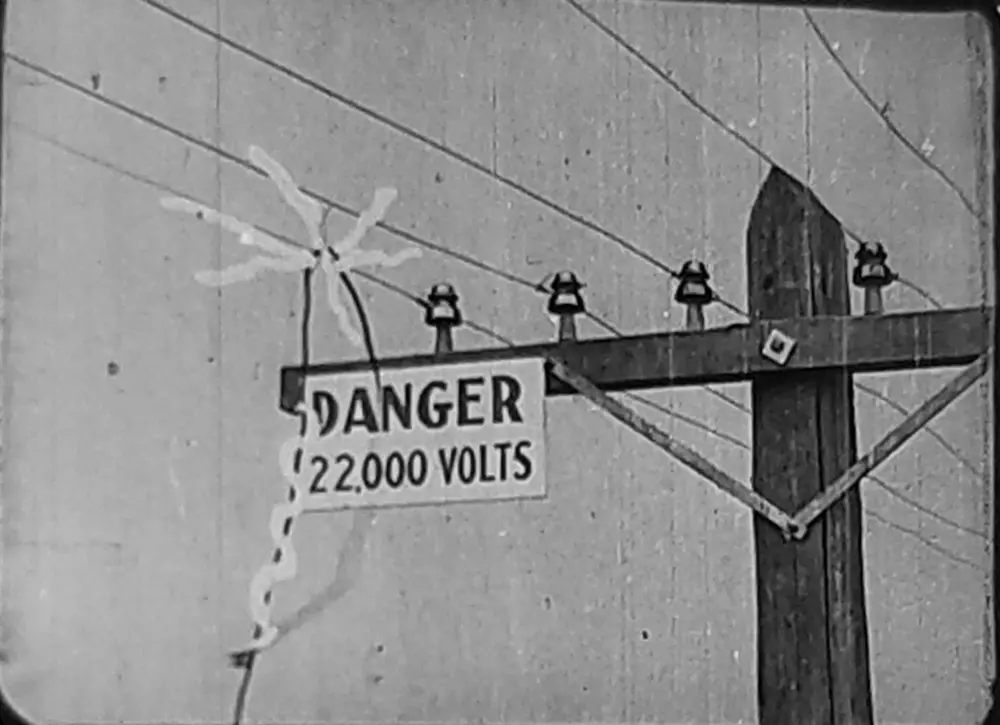
2) This film fails because its pacing is stagnant, and the lead performance lacks the magnetism required to carry a thin plot.
3) You should watch it if you want to see how early 20th-century cinema attempted to translate literary wit into a purely visual medium.
A Man About Town is worth watching only if you are conducting a deep dive into the Fox Film Corporation's library or the career of Barry Norton. For the casual film buff, the experience is likely to feel repetitive and structurally thin compared to other shorts of the era. It serves better as a historical footnote than as a standalone piece of entertainment.
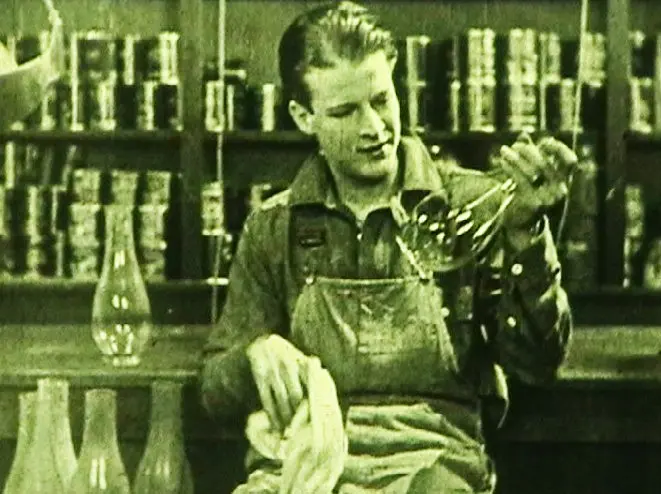
Adapting O. Henry is a notoriously difficult task because his genius lies in the prose—the subtle wordplay and the narrative voice that guides the reader toward the inevitable twist. In the 1927 version of A Man About Town, directed by Andrew Bennison, much of that literary charm is lost in translation. Without the benefit of a narrator, the film relies on intertitles that often feel clunky and disruptive.
Consider the scene where the protagonist attempts to blend into a high-end social gathering. In the original text, the irony is thick; on screen, it looks like standard slapstick. Unlike the more atmospheric Satan's Rhapsody, which uses visual flair to compensate for a lack of dialogue, this film stays grounded in a very literal, almost boring interpretation of the source material.
The direction feels safe. It doesn't take risks with the camera. There are no innovative tracking shots or experimental lighting choices that you might find in European cinema of the same year, such as Nathan der Weise. Instead, we get static medium shots that feel like we are watching a stage play through a keyhole.
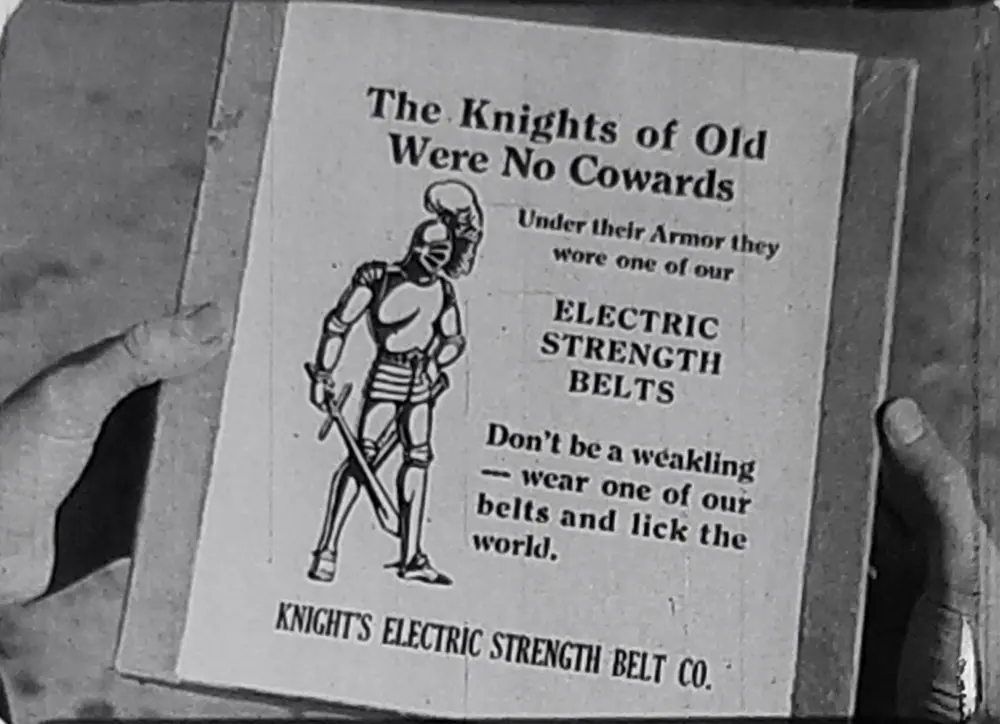
Barry Norton was a capable actor, but here he feels slightly miscast. He has the looks of a leading man but lacks the comedic timing of a Buster Keaton or the soulful depth of a Lon Chaney. His performance is a series of rehearsed poses. When he needs to convey social anxiety, he simply adjusts his tie. It is efficient, but it isn't moving.
Ernie Adams, on the other hand, provides a much-needed spark of energy. As the foil to Norton’s polished exterior, Adams brings a level of physical grit that feels more authentic to the 1920s urban experience. In the scenes where they share the frame, Adams often steals the focus by simply existing in a more naturalistic way. He reminds us of the character work seen in Crossed Wires, where the supporting cast often outshines the leads.
The chemistry between the two is functional. It moves the plot from point A to point B. However, there is no real friction. Without friction, the stakes feel low. We never truly believe Norton’s character is in danger of losing anything significant, which drains the tension from the final act.
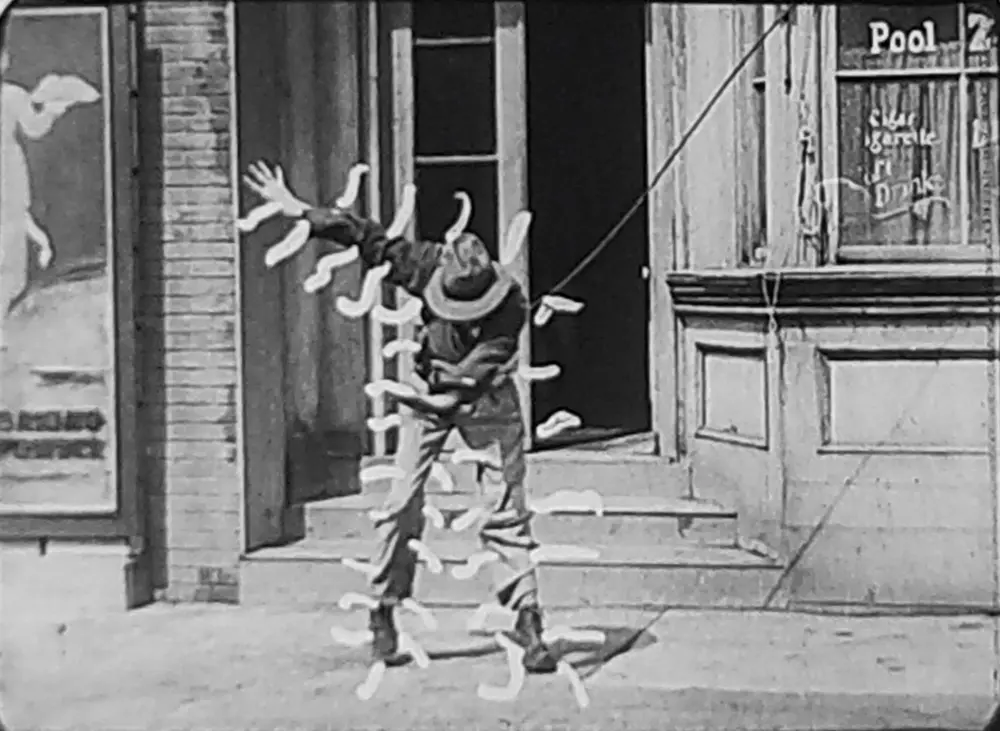
Visually, the film is a product of its factory-line production. The lighting is flat, designed to ensure that every corner of the set is visible rather than to create a specific mood. This is a sharp contrast to the moody, shadow-heavy work found in The Leavenworth Case. In A Man About Town, New York feels like a set, not a city.
There is one specific moment, a wide shot of a crowded street, that manages to capture a sense of scale. But even this feels accidental. The film is at its best when it focuses on small details—a dropped glove, a nervous glance at a watch. These are the moments where the O. Henry influence shines through the most. Unfortunately, these moments are few and far between.
The pacing is another issue. At a short runtime, you would expect the film to move with a certain briskness. Instead, it feels padded. Scenes linger long after their point has been made. It lacks the tight editing found in Mark It Paid, which manages to tell a much more compelling story in a similar timeframe.
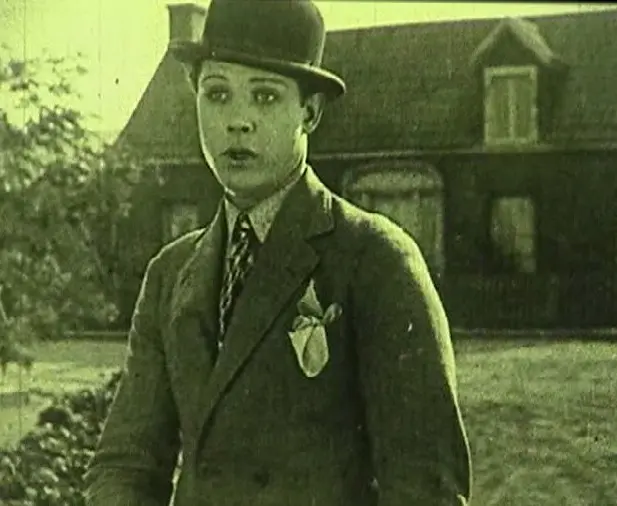
When we look at other films from the same period, like Pleasure Seekers or Sinners, we see a much more vibrant exploration of the jazz age. A Man About Town feels strangely sterilized. It wants to talk about the class divide, but it’s afraid to get its hands dirty. It treats poverty as a costume and wealth as a punchline.
This hesitation prevents the film from being a truly great social commentary. It stays in the middle of the road. It is polite. And in cinema, being polite is often the same as being forgettable. It doesn't have the adventurous spirit of The Big Adventure or the exoticism of The Princess of India. It is just a man, in a town, doing things that don't matter much.
Here is a surprising thought: the film is actually a secret critique of the acting profession itself. Norton’s character isn't just a man pretending to be wealthy; he is an actor who has forgotten his lines. The film’s obsession with clothing and posture suggests that in 1927, identity was entirely performative. If you have the right hat, you are the right man. It’s a cynical view of humanity that the film doesn't quite have the courage to fully embrace.
Pros:
- Faithful to the basic structure of O. Henry's narrative.
- Provides a decent look at 1920s costume design and social etiquette.
- Short enough that it doesn't overstay its welcome, even if it feels slow.
Cons:
- Flat cinematography that lacks any sense of atmosphere.
- Barry Norton’s lead performance is stiff and uninspired.
- The 'twist' ending lacks the punch of the original short story.
A Man About Town (1927) is a mediocre adaptation of a superior writer. It is dated. It lacks the fire of its contemporaries and the wit of its source. While it isn't a total failure, it is a film that exists in the shadows of much better work. If you have thirty minutes to spare, you would be better off reading the original O. Henry story or watching The Lost City for some actual excitement. This film is a ghost of a better idea.
IMDb —
1924
Community
Log in to comment.