DbcultAccessing Vault...
Cult Review
Senior Film Conservator
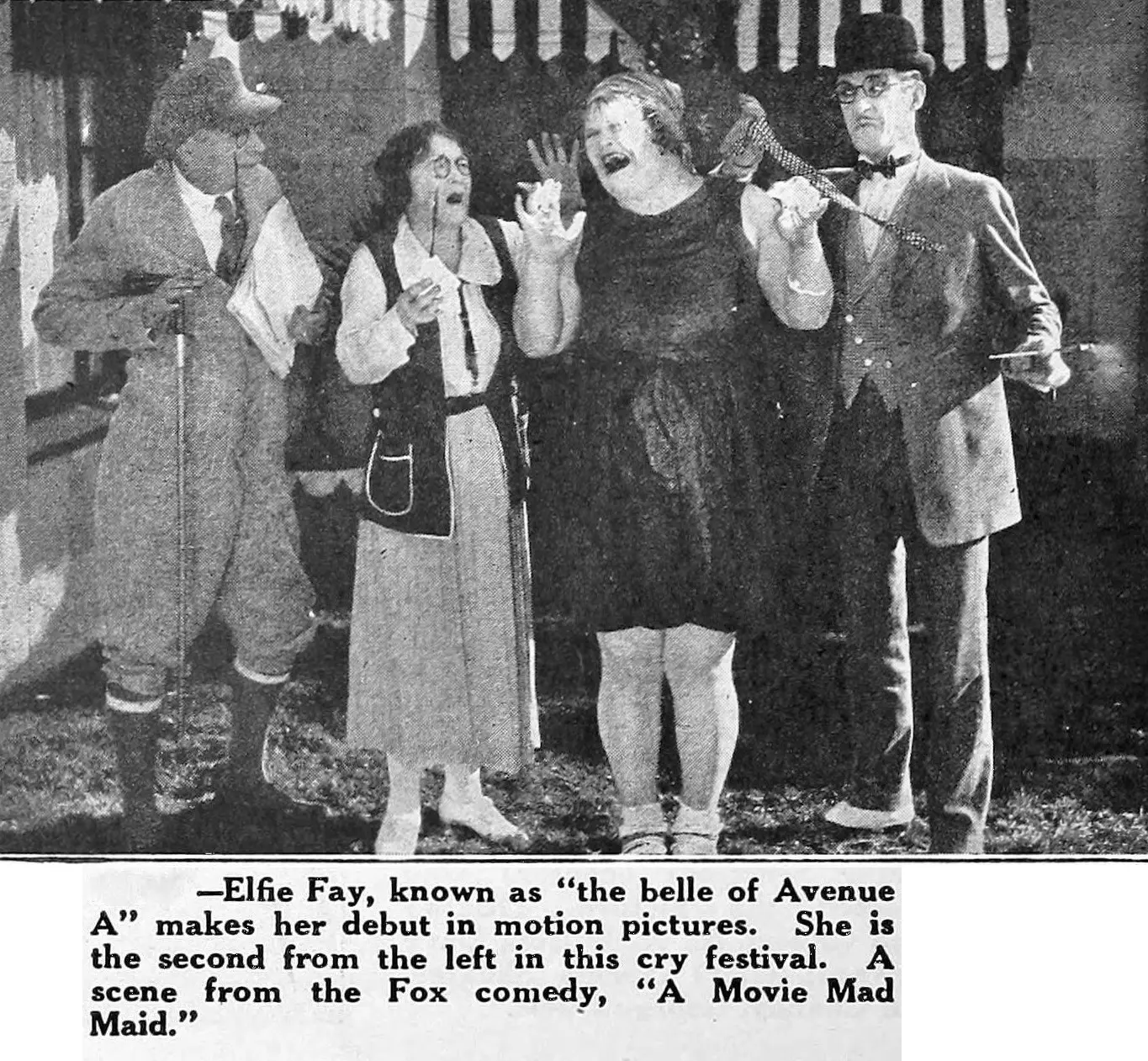
The flickering phantoms of early cinema often reveal more than mere escapism; they serve as potent cultural artifacts, windows into the nascent anxieties and aspirations of an era. Such is the case with A Movie Mad Maid, a silent film that, despite its seemingly lighthearted premise, delves into the surprisingly complex interplay of parental ambition, youthful dreams, and the ruthless machinery of the nascent Hollywood studio system. Starring the effervescent Babe London, this cinematic relic offers a compelling, often humorous, yet subtly melancholic commentary on the lengths to which a mother will go to see her daughter shine in the spotlight.
At its core, A Movie Mad Maid presents a singular, almost fantastical scenario: a mother, utterly convinced of her daughter Babe's destiny as a picture star, takes the ultimate, unprecedented step of founding her own film company. This isn't merely a gesture of support; it's an act of profound, almost delusional, conviction, born from the repeated rejections Babe faces from established industry gatekeepers. The film thus becomes a fascinating study in vicarious living and the often-blurry line between nurturing encouragement and overwhelming parental pressure. Elfie Fay, portraying the indefatigable mother, embodies this spirit with a zeal that is both admirable and, at times, alarming. Her character isn't just a pushy parent; she's an architect of destiny, or at least, a fervent believer in her own capacity to shape it.
In an industry already rife with cutthroat competition and fleeting fame, the idea of an individual, driven by nothing more than maternal love and a stubborn will, launching a full-fledged production outfit is astonishing. This narrative choice elevates the film beyond a simple comedic short, imbuing it with a certain allegorical weight. It speaks to the American Dream, albeit a highly specific, cinematic version of it, where ingenuity and sheer force of will are posited as antidotes to institutional rejection. This defiant entrepreneurial spirit, while perhaps exaggerated for comedic effect, resonates with the broader independent filmmaking movements that would periodically challenge the studio oligarchy throughout cinema history. One might draw a parallel to the struggles for recognition and self-determination seen in films like A Common Level, where characters grapple with societal barriers, though the stakes here are distinctly personal and familial.
Babe London, a performer known for her delightful comedic timing and expressive face, anchors the film with a nuanced portrayal. Her character is not depicted as a reluctant participant, exactly, but rather as a young woman caught in the powerful current of her mother's aspirations. There's a subtle tension in her performance: does she genuinely harbor the burning desire for stardom, or is she merely swept along by her mother's relentless tide? London navigates this ambiguity with grace, often conveying a sense of bewildered optimism, a hopeful earnestness that makes her character deeply sympathetic. She is the archetypal ingénue, perhaps not possessing the raw, undeniable charisma that studio heads sought, but certainly brimming with an approachable charm that audiences could embrace.
Her comedic prowess likely shines through in the sequences depicting the fledgling film company's chaotic efforts. Silent film comedy, particularly of this era, relied heavily on physical gags, exaggerated expressions, and situational humor. One can imagine London's natural talent for physical comedy being perfectly suited for the slapstick potential inherent in a hastily assembled, amateur production. Her reactions to the inevitable mishaps and absurdities of her mother's grand scheme would undoubtedly form the backbone of the film's lighter moments. This places her performance in the lineage of other comedic talents of the era, whose expressive faces and agile bodies told stories without a single spoken word, much like the vibrant energy one might find in a short such as Going! Going! Gone! or the spirited antics of A Lyin' Hunt.
The film, by its very premise, dissects the potent allure of Hollywood during its golden, silent age. For countless young men and women, the silver screen represented not just fame and fortune, but an escape from mundane realities, a chance at reinvention. A Movie Mad Maid implicitly critiques this dream factory, showcasing how difficult it was to break in, and by extension, how easily one could be consumed by its illusions. The mother's decision to bypass the established system, while audacious, also highlights its impenetrable nature. It suggests that talent alone was often insufficient; connections, luck, and a certain undefinable 'star quality' were paramount, often leaving genuine hopefuls by the wayside.
This theme of aspiration versus reality is a perennial one in cinema, and its early manifestation here is particularly insightful. It's a precursor to countless 'behind-the-scenes' narratives that would follow, exposing the often-unflattering truth behind the glamour. The film likely contrasts the polished facade of studio productions with the crude, perhaps hilarious, attempts of the mother's DIY company. This juxtaposition would not only provide comedic fodder but also serve as a poignant reminder of the gulf between the dream and its often-gritty pursuit. The raw ambition of characters striving against odds is a recurring motif, echoing the intense personal journeys depicted in more dramatic fare like The Faithful Heart, albeit in a vastly different narrative context.
Beyond the personal drama, A Movie Mad Maid inadvertently offers a glimpse into the burgeoning independent film movement, even if on a micro-scale. The mother's company, however small or misguided, represents a rebellion against the burgeoning studio system. In the early 20th century, Hollywood was rapidly consolidating power, creating a vertically integrated structure that controlled production, distribution, and exhibition. For an outsider to attempt to circumvent this system was not just an act of love, but a symbolic act of defiance. This entrepreneurial spirit, even if born of desperation, embodies a certain American ideal of self-reliance and innovation.
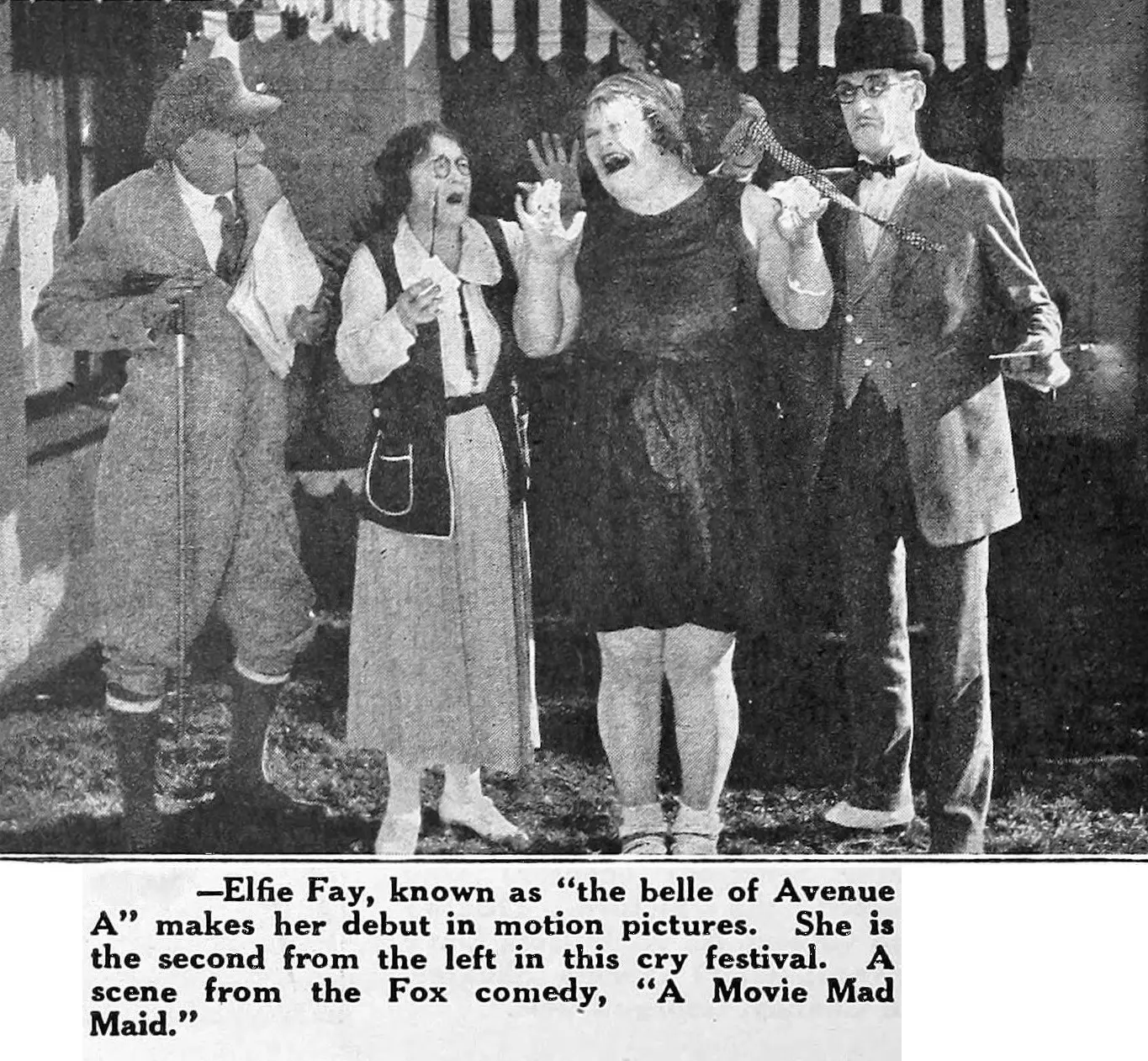
The film, therefore, can be viewed through a meta-cinematic lens, reflecting the very industry it inhabits. It's a story about making movies, within a movie, highlighting the challenges and absurdities of the process. One can imagine the film playfully satirizing various aspects of filmmaking: the temperamental actors, the demanding directors (or in this case, the demanding mother-producer), the technical mishaps, and the sheer logistical nightmare of bringing a vision to the screen. This self-referential quality, though perhaps unintentional in its deeper implications, adds another layer of intrigue to the film, showcasing the industry's early capacity for self-critique and humor. This kind of insider look, even if fictionalized, provides invaluable texture to our understanding of the era, much like documentary shorts such as Literaturno-instruktorskiy agitparokhod vtsik 'Krasnaia Zvezda' offer unique insights into their specific contexts, albeit with vastly different intentions.
Given the limited information about the film's director, one can only speculate on the specific stylistic choices, but the premise itself suggests a fertile ground for visual storytelling. Silent films thrived on exaggerated expressions, dynamic staging, and often intricate physical comedy to convey narrative and emotion. The visual gags stemming from an amateur film production – collapsing sets, misplaced props, actors flubbing their lines (silently, of course, through over-the-top gestures) – would have been central to its appeal. The director would have had to choreograph these moments meticulously, ensuring that the humor landed effectively without dialogue. The pacing, crucial in silent comedy, would dictate the rhythm of the gags and the overall comedic tempo, ensuring that the audience remained engaged and amused.
The use of intertitles would have been vital, not just for advancing the plot but for delivering witty remarks or ironic observations about the mother's ambitious, if misguided, endeavor. These textual insertions, often crafted with a distinct voice, would have complemented the visual humor, adding layers of narrative and character insight. The interplay between London's expressive face, Fay's determined gestures, and the textual commentary would have formed a rich tapestry of comedic and dramatic storytelling, a hallmark of well-executed silent cinema. The effectiveness of such visual narratives often determines a film's lasting impact, much like the compelling imagery in a more dramatic work such as Morphium, which relied heavily on visual composition to convey its powerful themes.
While rooted firmly in the silent era, the central themes of A Movie Mad Maid possess a remarkable timelessness. The push-and-pull between a parent's dreams for their child and the child's own burgeoning identity is a universal human experience. The film, through its comedic lens, invites us to ponder the ethics of vicarious ambition: at what point does support become imposition? When does love morph into an overwhelming pressure that eclipses individual agency? These questions, though presented in a lighthearted cinematic package, resonate deeply, making the film more than just a historical curiosity.
The film also subtly touches upon the nature of talent and opportunity. Is Babe London truly a neglected genius, or is her mother simply blinded by affection? The film doesn't necessarily need to answer this definitively; the ambiguity is part of its charm. It allows the audience to project their own understanding onto the characters, making their journey more engaging. This nuanced exploration of family dynamics, even within a comedic framework, sets it apart. It suggests a depth of character that transcends simple caricature, much like the intricate family relationships explored in more serious literary adaptations of the period, such as Dombey and Son.
The legacy of films like A Movie Mad Maid is crucial for understanding the evolution of cinematic storytelling. They laid the groundwork for future generations of filmmakers, establishing conventions of visual humor, character development through action, and the power of non-verbal communication. Babe London, alongside peers like Marie Dressler and Mabel Normand, contributed significantly to defining female comedic archetypes in an era dominated by male slapstick. Her ability to convey complex emotions and comedic situations without dialogue is a testament to her skill and the expressive power of silent film acting.
Revisiting such films is not merely an exercise in historical appreciation; it's an opportunity to witness the foundational elements of cinema in their purest form. They remind us that effective storytelling transcends technological advancements, relying instead on fundamental human experiences and emotions. The ingenuity displayed in crafting narratives solely through images and physical performance is truly remarkable. These films offer a valuable counterpoint to contemporary cinema's reliance on dialogue and special effects, demonstrating the enduring power of simplicity and visual wit. It's a journey back to the roots of an art form, revealing the raw energy and creative spirit that defined its early days, much like discovering the fundamental narrative structures in films like The Secret of the Pueblo or The Spirit of the Conqueror, which, despite their dramatic differences, share this reliance on visual clarity.
In conclusion, A Movie Mad Maid stands as more than just a delightful silent comedy. It is a microcosm of early Hollywood's intoxicating promises, a poignant exploration of familial bonds, and a testament to the audacious spirit of independent creation. Through the spirited performances of Babe London and Elfie Fay, the film captures a moment in time when dreams were literally projected onto silver screens, and the pursuit of stardom, however quixotic, was a powerful, driving force. It remains a charming and insightful piece of cinematic history, offering laughter and reflection in equal measure.
IMDb 5.2
1932
Community
Log in to comment.