Summary
The Children in the House" unfurls a labyrinthine narrative of marital disillusionment and societal hypocrisy, centered on Cora, portrayed with poignant vulnerability by Norma Talmadge. Her existence, ostensibly secured by her marriage to Arthur Vincent, son of a prominent bank president, crumbles under his flagrant devotion to the avaricious cabaret performer, Jane Courtenay. As Cora navigates the desolate landscape of neglect, her forgotten affection for Charles Brown, a cashier in her father-in-law's bank and her erstwhile suitor, resurfaces, though unacknowledged. Vincent's escalating demands to satiate Courtenay's material desires lead him down a path of desperation, culminating in his complicity with her underworld associates in a brazen robbery of his own father's institution. The ensuing chaos unjustly ensnares Charles, whose innocence is later vindicated through a violent confrontation that leaves most of the true culprits deceased. The film concludes with Cora as a widow, the narrative subtly implying a rekindled union with Charles, a resolution that, while tidily conventional, leaves the titular 'children' as enigmatic specters, their significance to the overarching drama curiously understated, a narrative thread left tantalizingly frayed.
Synopsis
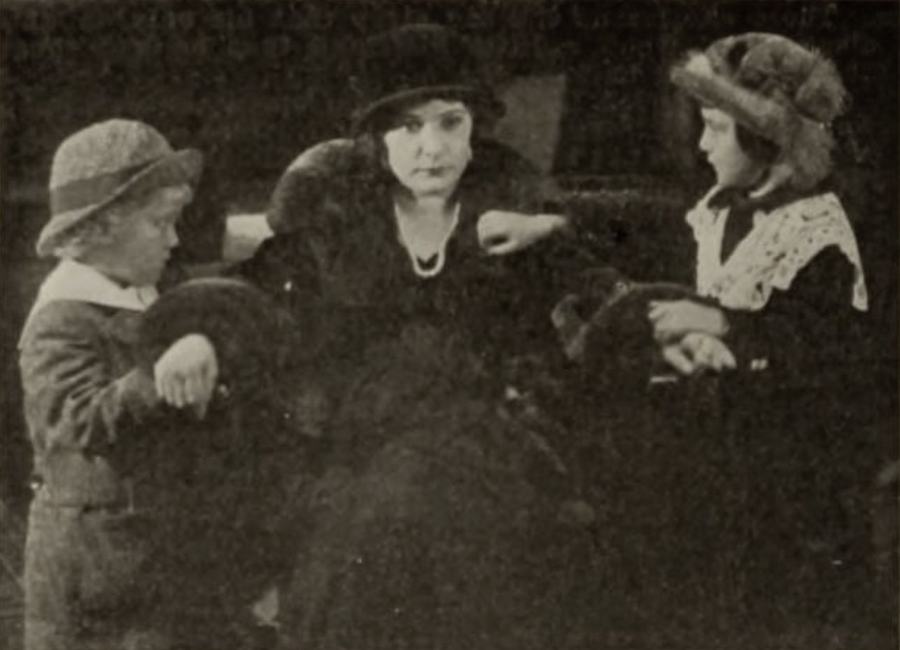
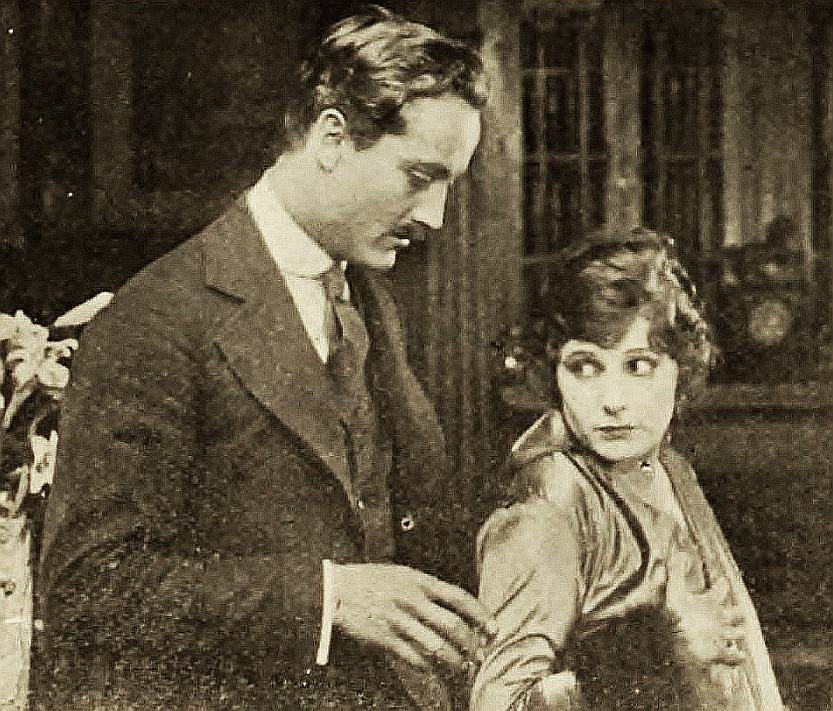
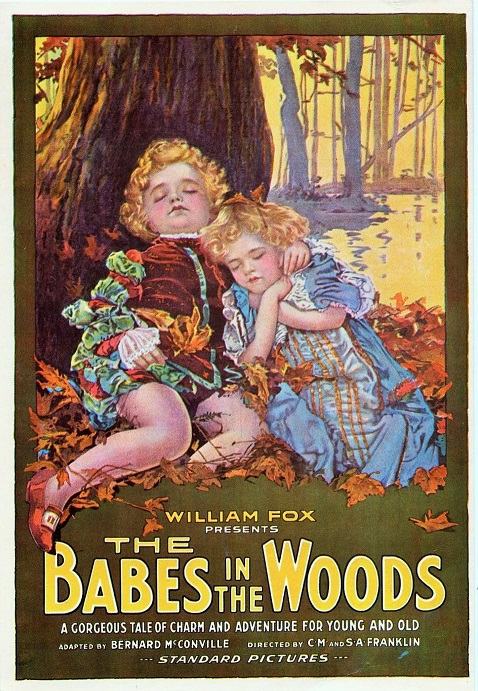
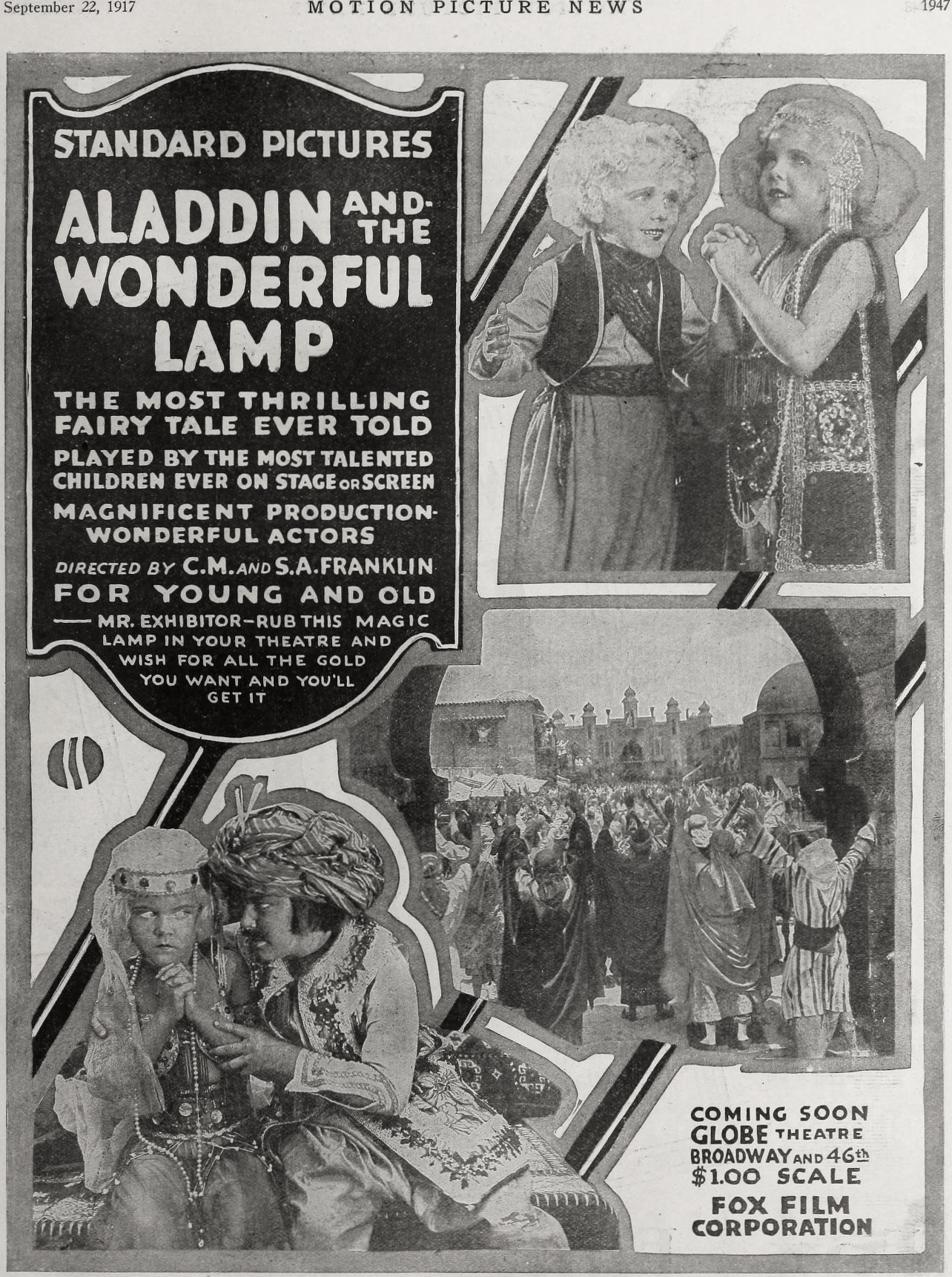
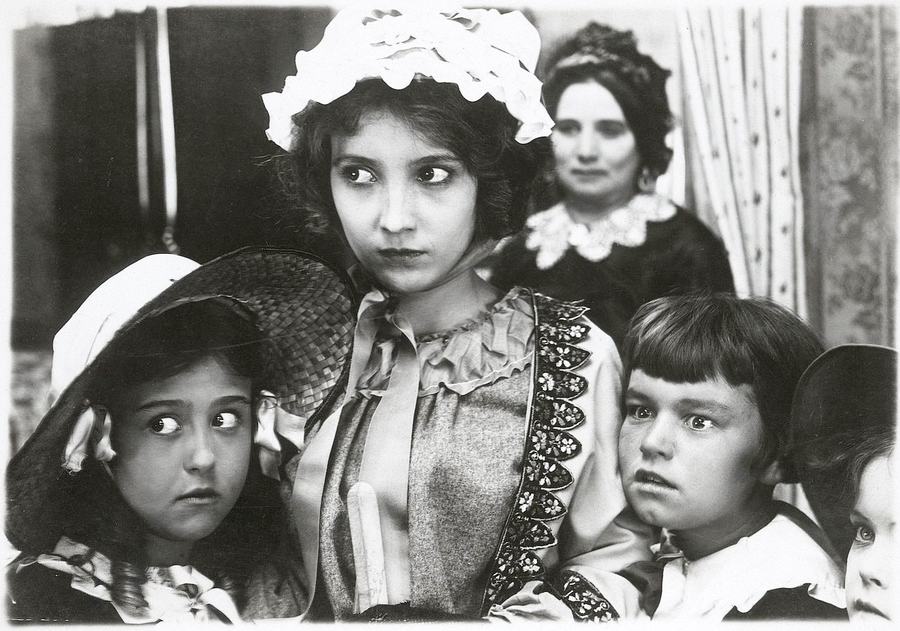
Roy Somerville has turned out an interesting story that will hold the interest of the majority of audiences as produced by the Triangle-Fine Arts Company. It is a five-reel feature produced under the direction of C.M. and S.S. Franklin,. Norma Talmadge stars as Cora, who is wed to Arthur Vincent (Eugene Pallette); they have two children. Vincent is a bank president's son who devotes much of his time to cabaret dancer Jane Courtenay, who is willing to have him devote his time to her as long as he is a good provider. The wife, who has been sadly neglected, turns to her sister, who is wed to young detective Fred Brown. His brother Charles, who works in the elder Vincent's bank as a cashier, lives with them. He was Cora's first love and has never quite recovered from the fact that she jilted him to wed Vincent because of his money. The cabaret dancer makes several demands on the young Vincent, who tries to borrow money from his father to meet them; failing to receive the loan, he agrees to help several friends of the cabaret charmer rob his father's bank. After the robbery Charles Brown is accused of the crime and arrested. But the robbers are discovered in their hiding place, and in escaping all but one is killed. Cora is left a widow and the natural supposition is that she and Charles were happily married afterward. Just where the title comes in is hard to say, but the picture, while not one of the best that has been produced at the Fine Arts, is one that will get by because of its great appeal to women.
Review Excerpt
"
Stepping back into the annals of early cinema, one often encounters narratives that, despite their age, resonate with a surprising contemporary relevance. "The Children in the House," a five-reel feature from the Triangle-Fine Arts Company, directed by the collaborative C.M. and S.S. Franklin, is precisely such a film. Released at a time when cinema was rapidly evolving from mere spectacle to a powerful storytelling medium, this Roy Somerville creation unfurls a tale brimming with ..."