DbcultAccessing Vault...
Cult Review
Senior Film Conservator
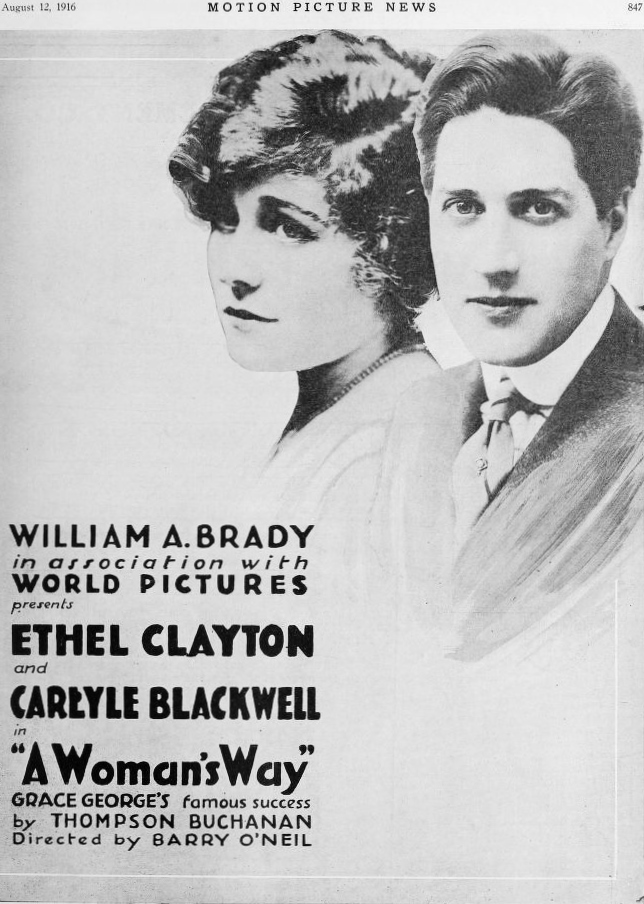
Stepping back into the cinematic landscape of 1918, one encounters "A Woman's Way," a film that, even a century later, reverberates with potent themes of class struggle, personal courage, and the intricate dance of human relationships against a backdrop of societal upheaval. Directed with a keen eye for dramatic tension and penned by the formidable duo of Thompson Buchanan and the pioneering Frances Marion, this silent feature transcends its historical confines to offer a compelling narrative, anchored by a truly remarkable central performance from Ethel Clayton. It's more than just a period piece; it's a testament to the enduring power of storytelling, particularly when it explores the often-unseen strength of individuals caught within the machinery of industry and expectation.
The narrative unfolds within the grim, yet visually arresting, world of the Elsinore coal mines. This setting is not merely a backdrop but an active participant in the drama, a brooding presence that dictates the lives and livelihoods of its inhabitants. It's a place where the air is thick with the dust of labor and the palpable tension of class disparity. Marion Livingston, portrayed with luminous intensity by Ethel Clayton, is not your typical damsel. As the daughter of the mine's formidable owner, she occupies a precarious position, straddling the chasm between privilege and the harsh realities faced by the workers. Her initial introduction establishes her as a woman of moral conviction, unafraid to confront injustice, a trait that immediately sets her apart from the more passive female archetypes often found in cinema of the era. The film doesn't shy away from depicting the raw, visceral anger of the working class, a theme that finds echoes in later, more explicit social dramas, though perhaps not with the same immediate, physical confrontation witnessed here.
The pivotal moment arrives with electrifying suddenness: a mob of enraged miners, pushed to their breaking point, corners Jack, a young superintendent. The scene is charged with a primal fury, a stark manifestation of the socio-economic grievances simmering beneath the surface of the industrial landscape. It’s here that Marion, with an astonishing display of courage that borders on recklessness, steps directly into the path of the mob’s wrath. This isn't a passive plea; it's an active, physical intervention, a testament to her unyielding moral compass and a profound rejection of the violence that threatens to consume the community. Her actions are reminiscent of a burgeoning sense of female agency that, while still nascent in society, was finding increasingly powerful expression in early cinema. One might draw a faint parallel to the defiant spirit seen in characters like those in Idle Wives, though Marion's heroism is far more direct and physical, a literal stand against an angry tide. This scene alone solidifies Marion as a character of formidable strength, not merely a romantic interest but a force for order and compassion in a chaotic world.
The arrival of Harold, Jack's brother, introduces a new layer of complexity to the unfolding drama. Portrayed by Carlyle Blackwell, Harold is drawn into the Elsinore community not just by familial ties but by the undeniable magnetic pull of Marion. His gaze, initially perhaps one of curiosity, quickly transforms into admiration as he witnesses her unique blend of strength and vulnerability. The romance that blossoms between Marion and Harold is not merely a conventional boy-meets-girl trope; it is infused with the weight of their surroundings. Their burgeoning affection must navigate the delicate terrain of class differences and the lingering tensions of the mine. It’s a love story forged in the shadow of industrial strife, adding a tender, human counterpoint to the film's grittier themes. The emotional landscape here feels authentic, a testament to the writers' ability to weave personal drama into a larger social fabric, much like the compelling human stories found within the broader canvases of films like The Call of the North, where romance often intersects with survival and harsh environments.
Ethel Clayton's portrayal of Marion Livingston is the beating heart of "A Woman's Way." In an era where acting often leaned towards the melodramatic and exaggerated, Clayton delivers a performance imbued with a nuanced strength and genuine emotion. Her expressive eyes and controlled gestures convey a depth of character that transcends the limitations of silent film. She embodies Marion’s courage, compassion, and internal conflict with remarkable conviction, making her a truly memorable figure. It’s a performance that stands out, not just for its period, but for its timeless quality of conveying inner fortitude. Carlyle Blackwell, as Harold, provides a compelling counterpart. His portrayal balances earnest affection with a subtle understanding of the social dynamics at play. The chemistry between Clayton and Blackwell feels organic, adding significant emotional weight to their scenes together. Montagu Love, as Jack, the superintendent, effectively conveys the pressure and vulnerability of his position, making his rescue all the more impactful. The ensemble, including Edith Campbell, Pierre LeMay, Alec B. Francis, and Edward Kimball, contribute to a rich tapestry of characters, each playing their part in bringing the Elsinore community to life. Their collective efforts demonstrate the power of silent acting, where every gesture, every facial expression, carried the burden of dialogue and emotional exposition.
The direction, while uncredited in some records, deftly navigates the film's multiple narrative threads. The pacing is deliberate, allowing the emotional beats to resonate, yet maintains a compelling momentum, particularly during the more intense sequences involving the miners. The visual storytelling is effective, utilizing the stark contrasts of the mining environment to great dramatic effect. The use of shadow and light, a hallmark of early cinema, enhances the mood and tension, particularly in the subterranean scenes or during the mob confrontation.
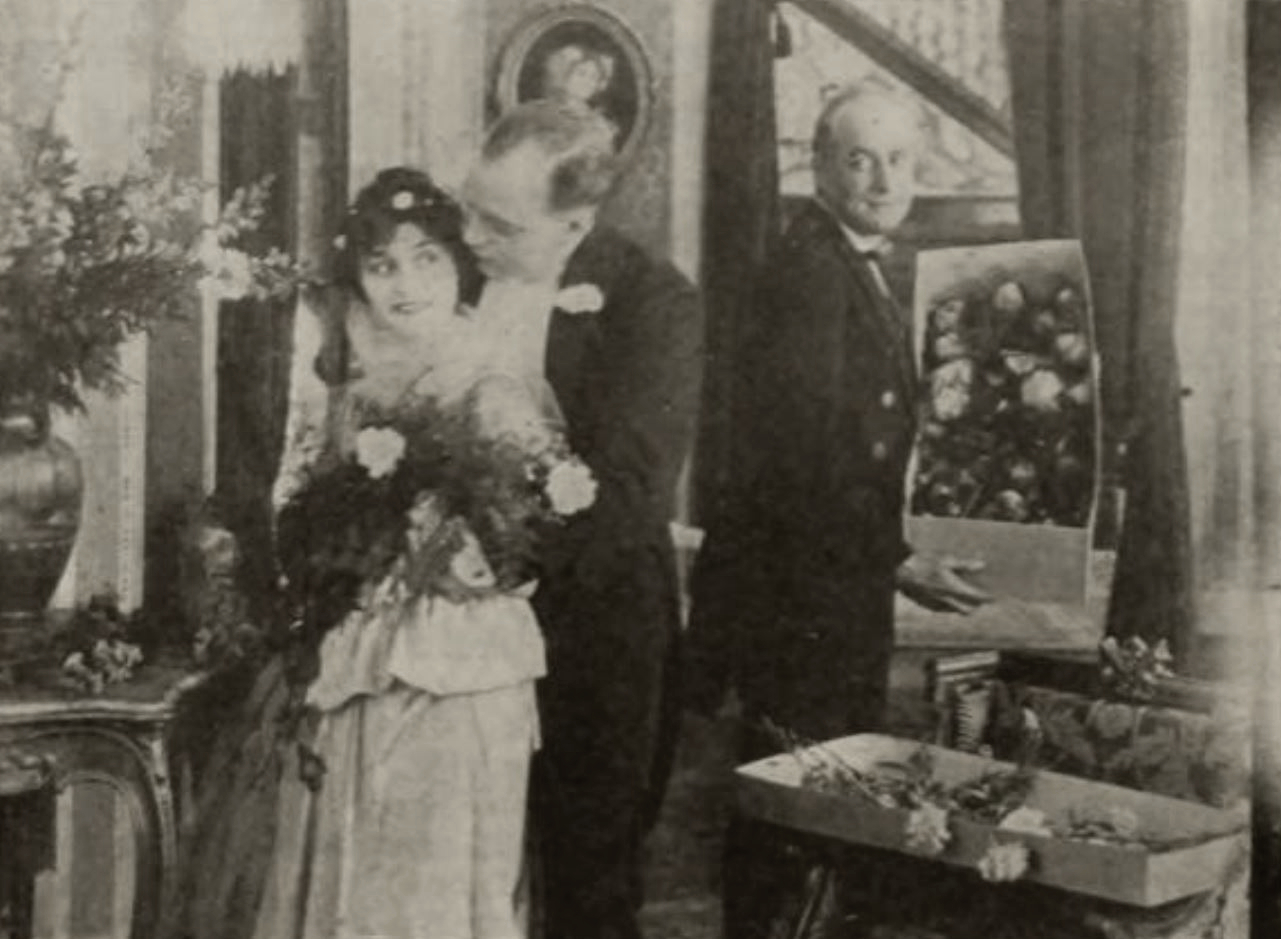
However, it is the screenplay by Thompson Buchanan and, crucially, Frances Marion, that elevates "A Woman's Way" beyond mere melodrama. Frances Marion was a titan of early Hollywood, a prolific and highly influential writer who penned countless scenarios for stars like Mary Pickford and Lillian Gish. Her involvement here is significant. She possessed an uncanny ability to craft strong, complex female characters, and Marion Livingston is a prime example of her talent. The narrative arc for Marion is well-developed, showcasing her transformation from a privileged daughter to a courageous intervener and then a woman navigating personal desire amidst social responsibility. The dialogue, though unseen, is clearly implied through the characters' actions and reactions, demonstrating a sophisticated understanding of dramatic structure. Marion's contribution ensures that the film is not just a spectacle of action or romance, but a thoughtful exploration of character and societal dynamics, arguably more profound than many of its contemporaries.
The cinematography, while adhering to the technical constraints of its time, manages to create a powerful sense of place. The Elsinore coal mines are rendered with a stark realism that grounds the fantastical elements of the melodrama. We get glimpses of the industrial machinery, the cramped living conditions, and the vast, imposing landscapes that surround the mining town. These visuals aren't just decorative; they serve to underscore the themes of labor, class, and the human struggle against powerful forces, both natural and man-made. The costume design, though subtle, also plays a role in delineating class, with Marion's attire often contrasting sharply with the rough-hewn clothing of the miners, yet without making her seem entirely detached. The visual language of the film is articulate, communicating much through composition and the actors' physical presence, a skill that truly defined the silent era. In this regard, it shares a common artistic DNA with other films that relied heavily on visual narrative, such as Protéa, though the latter was more focused on espionage and spectacle. Here, the visuals are rooted in social realism, amplifying the human condition.
"A Woman's Way" is more than a romance or an action drama; it's a valuable social document. It offers a window into the industrial tensions of early 20th-century America, a period marked by significant labor unrest and a growing awareness of workers' rights. The film subtly critiques the inherent inequalities of the time while simultaneously celebrating individual heroism. Marion's actions represent a bridge, a hopeful sign that empathy and courage can transcend entrenched social divides. This underlying commentary on class struggle and social justice aligns it with films that, even in diverse genres, dared to touch upon societal issues, from the gritty realism of works like Moondyne (though set in a different historical context) to the more overtly political messaging of films such as The Coming Power. The film doesn't preach, but it certainly provokes thought about the responsibility of those in power and the inherent dignity of labor.
In conclusion, "A Woman's Way" stands as a compelling example of early American cinema's capacity for complex storytelling and character development. It is a film that rewards careful viewing, revealing layers of social commentary beneath its melodramatic surface. Ethel Clayton's performance as Marion Livingston remains a powerful portrayal of female strength and moral conviction, a character who truly embodies the "woman's way" – not through subservience, but through assertive, compassionate action. The film's enduring appeal lies in its ability to marry a thrilling narrative with profound human themes, making it a significant piece in the mosaic of silent film history. For anyone interested in the evolution of cinema, the depiction of social issues in early film, or simply a well-crafted story of courage and love, this forgotten gem is well worth rediscovering. Its resonance, even today, is a testament to the timeless nature of its themes and the skillful hands that brought it to life. It reminds us that even in the silence, stories can shout.
The film’s exploration of power dynamics and personal sacrifice also subtly foreshadows more intricate dramas. While not a direct comparison in genre, the underlying human struggle against overwhelming odds, and the individual's role in shaping their destiny, can be seen as thematic precursors to narratives found in films across different eras, even to the epic scale of Avatar, where individual choices profoundly impact larger societal conflicts. Of course, the scale and technological ambition are worlds apart, but the core idea of a protagonist acting as a bridge or a catalyst for change remains consistent.
Ultimately, "A Woman's Way" is a testament to the foundational strengths of silent cinema: powerful visual narrative, expressive acting, and stories that, despite their age, continue to speak to universal human experiences. Its place in the pantheon of early films is well-deserved, offering a rich viewing experience for those willing to delve into the depths of its historical and emotional landscape.

IMDb 6.8
1929
Community
Log in to comment.