DbcultAccessing Vault...
6.1/10
Senior Film Conservator
A definitive 6.1/10 rating for a film that redefined the boundaries of cult cinema. Alice's Knaughty Knight remains a cornerstone of transgressive art.
Short answer: Yes, but only if you appreciate the clunky, experimental charm of 1920s animation. This film is for animation historians and completionists who want to see the DNA of modern slapstick; it is not for casual viewers who demand high-definition polish or complex character arcs.
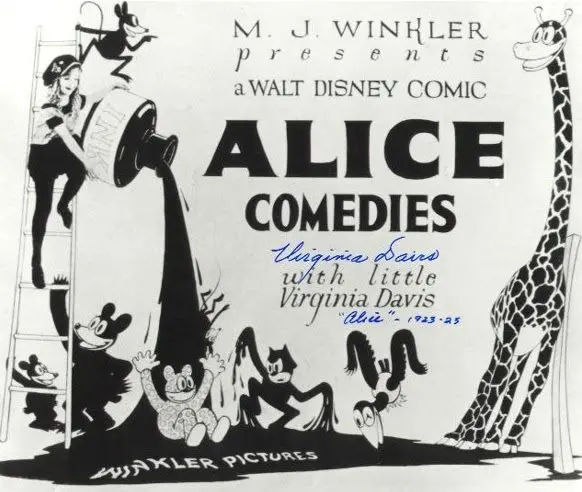
Alice's Knaughty Knight represents a fascinating pivot point in the Disney 'Alice Comedies' series. By 1927, the live-action star, played here by Lois Hardwick, was often sidelined in favor of the animated antics of Julius the Cat. This shift is palpable here. The film isn't really about Alice; it is about the physics of a cat in a tin can.
1) This film works because it transforms mundane household objects into comedic weapons through pure visual imagination.
2) This film fails because the live-action integration feels increasingly vestigial and disconnected from the central conflict.
3) You should watch it if you want to see the exact moment Disney began prioritizing character-driven slapstick over technical gimmicks.
The standout sequence of Alice's Knaughty Knight is undoubtedly the construction of Julius's armor. In an era where animation was still finding its feet, the detail put into the 'junk' is remarkable. Julius doesn't just put on a suit; he assembles a personality. Each piece of scrap metal has a weight to it that the animators—likely Ub Iwerks and his team—capture with surprising fidelity.
When Julius moves, you can almost hear the clanking of the cans. This is visual storytelling at its most primal. He uses a funnel for a helmet and a washbasin for a chest plate. It is a precursor to the 'tinker' archetype we see in modern films. Unlike the polished, high-society drama found in The Illustrious Prince, this film revels in the grit of the junkyard.
The contrast between Pete's 'real' armor and Julius's 'junk' armor serves as a silent commentary on class. Pete represents the establishment—polished, heavy, and imposing. Julius represents the working-class hero who has to build his own tools from the ground up. It works. But it is flawed in its simplicity.
Alice's Knaughty Knight is worth watching if you are interested in the evolution of the Disney villain. Pete, who would eventually become the nemesis of Mickey Mouse, is already a fully formed bully here. His presence provides a genuine sense of threat that elevates the stakes beyond a simple gag reel. If you enjoyed the character dynamics in The Forfeit, you will find a similar, albeit more cartoonish, tension here.
However, for those used to the fluid animation of the 1930s and 40s, the jerkiness of the 1927 frame rate might be a barrier. It requires a specific mindset. You have to look past the technical limitations to see the comedic timing. The way Julius's armor falls apart at the most inconvenient moments is a masterclass in 'Murphy’s Law' comedy.
Lois Hardwick, the fourth and final Alice, often gets the short end of the critical stick. By the time she took the role, the 'Alice' series was essentially 'The Julius the Cat Show.' In this film, her role is primarily to react. She is the damsel, a trope that was already becoming stale by 1927, as seen in more progressive works like Kan Kvinder fejle?.
Hardwick’s performance is serviceable, but she lacks the expressive range of Virginia Davis. She feels like a guest star in her own movie. This is a common issue in the later Alice shorts. The live-action segments feel like they belong in a different movie entirely, perhaps something like Mary Moves In, rather than a high-octane cartoon chase.
Yet, there is a strange charm to the disconnect. The way the animated Julius interacts with the live-action environment—grabbing real objects with his cartoon hands—still carries a bit of that early cinema magic. It was the 'Who Framed Roger Rabbit' of its day, even if the seams are showing now.
While Walt Disney is the name on the door, the kinetic energy of Alice's Knaughty Knight belongs to Ub Iwerks. The pacing is relentless. Once the armor is built, the film doesn't stop for a breath. It is a sequence of escalating gags that feel more sophisticated than the contemporary Short Change.
One specific scene involving Julius trying to mount a horse while wearing twenty pounds of scrap metal is particularly effective. The physics of the 'rubber hose' animation style allow Julius to stretch and compress, selling the weight of the armor even when the logic of the world says he shouldn't be able to move. It is a brilliant use of the medium's unique strengths.
The tone is irreverent. It doesn't take the 'Knight' concept seriously for a second. While films like The Pride of New York were dealing with loftier themes of honor and duty, Disney and Iwerks were more interested in what happens when a cat gets his tail stuck in a teapot. This low-brow approach is what made the studio famous.
The animation is incredibly inventive for 1927. The 'scrap-metal' aesthetic is visually distinct and memorable. Pete makes for a formidable and entertaining antagonist. The film moves at a brisk pace that prevents boredom.
The live-action integration is clunky and feels dated. The plot is a standard 'rescue the maiden' story with no real surprises. The film lacks the emotional depth found in other 1927 releases like The Innocent Lie.
When you compare Alice's Knaughty Knight to something like Grab the Ghost, you see a clear difference in ambition. Disney wasn't just trying to make people laugh; he was trying to refine a visual language. While Where Is My Wife? relied on domestic situational comedy, this short relies on the absurdity of the physical world.
Even compared to other Hardwick-era shorts like Polly Redhead, this film stands out because of its commitment to its theme. The 'Knight' motif is carried through every frame. It doesn't deviate into unrelated subplots. It is lean, mean, and made of tin.
It lacks the atmospheric tension of The Bar Sinister or the stage-bound charm of Molly of the Follies, but it makes up for it with sheer audacity. It is loud without sound. It is colorful in black and white.
Alice's Knaughty Knight is a flawed but essential piece of the Disney puzzle. It showcases a studio that was beginning to realize its true strength lay in pure animation rather than the gimmick of 'real world' interaction. Julius the Cat is at his peak here—desperate, clever, and endlessly resilient.
If you can ignore the somewhat wooden presence of Alice herself, there is a lot to love. The junk armor sequence remains one of the most creative bits of animation from the late silent era. It isn't a masterpiece, but it is a vital stepping stone toward the greatness that would follow with Steamboat Willie just a year later. It’s a clattering, rattling good time for those who know what they’re looking for.
IMDb —
1929
Community
Log in to comment.