DbcultAccessing Vault...
Cult Review
Senior Film Conservator
Honestly, you should only watch this if you have a deep love for grainy, silent relics that feel like they might fall apart if you look at them too hard. It is definitely for the film history nerds or people who find peace in slow, wordless drama. 📽️
If you need a fast plot or loud explosions, you are going to absolutely hate this. It's basically the opposite of a Michael Bay movie.
I sat down with this one because I've been on a bit of a Lia Torá kick lately. She’s got this screen presence that just doesn't exist anymore.
The movie is called Alma Camponesa, which translates to something like 'Peasant Soul.' It’s a very fitting title because there is a lot of dirt, simple clothes, and people looking very intensely at the horizon.
Lia plays this girl who is supposed to be a simple farm worker. But let’s be real—she looks like a Hollywood star even when she's holding a bucket of water.

There is this one specific shot where she’s standing by a wooden fence. The sun hits the camera lens in a way that was probably a mistake in 1929, but it makes her look like she's glowing.
I found myself staring at the textures of the background more than the actual story. The way the wind moves through the tall grass in the background feels so alive, even though everyone in the movie is long gone.
It reminded me a bit of the vibe in The Wishing Ring Man. Both movies have this innocent, almost naive way of looking at romance that feels alien today.
But Alma Camponesa is much heavier. There’s a weight to the way the characters move, like the air in rural Brazil was thicker back then.
The pacing is... well, it's a silent movie from the late 20s. Things don't happen fast.
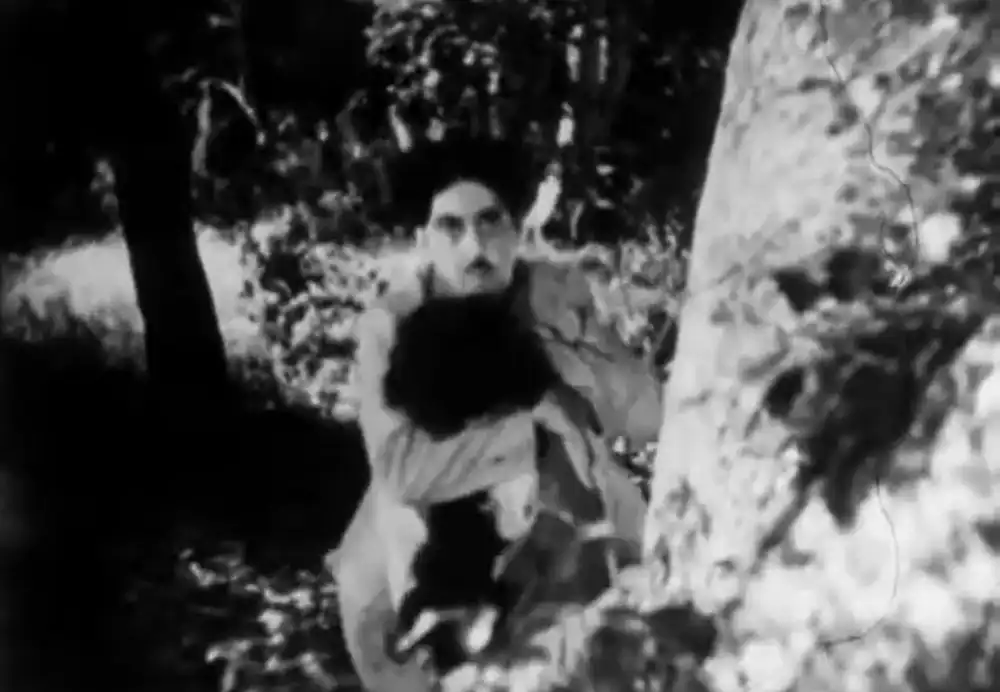
You watch a door open for what feels like a full minute. Then you watch someone walk across a room.
It has that same slow-burn energy you find in The Last Chance, but without the high stakes. It’s just people living.
I noticed Lia does this weird thing with her hands when her character gets nervous. She twists her apron until the fabric looks like it’s going to snap.
It’s such a small, human detail. It made me wonder if that was her own nervous habit or if the director told her to do it.
The rest of the cast is... okay? I don't really remember their names or their faces very well.
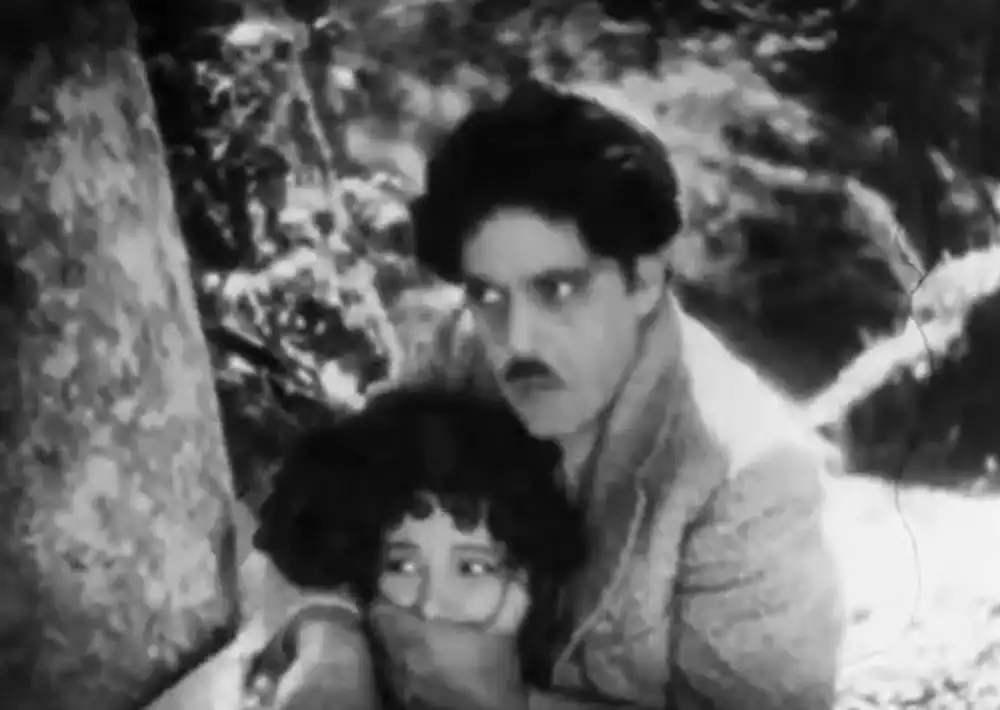
They mostly just stand around and react to whatever Lia is doing. It’s a bit like Half a Hero where the lead actor is doing 90% of the heavy lifting.
There’s a scene in the middle involving a letter that arrives. The camera zooms in on the paper, and you can see the grain of the film so clearly it’s almost distracting.
I actually liked that clunkiness. It feels handmade.
I did get a bit bored during a long sequence where two men are talking by a river. Since there's no sound and the intertitles are sparse, I had no idea what they were arguing about for a good five minutes.
I think one of them was mad about a horse? Or maybe a fence? It doesn't really matter.
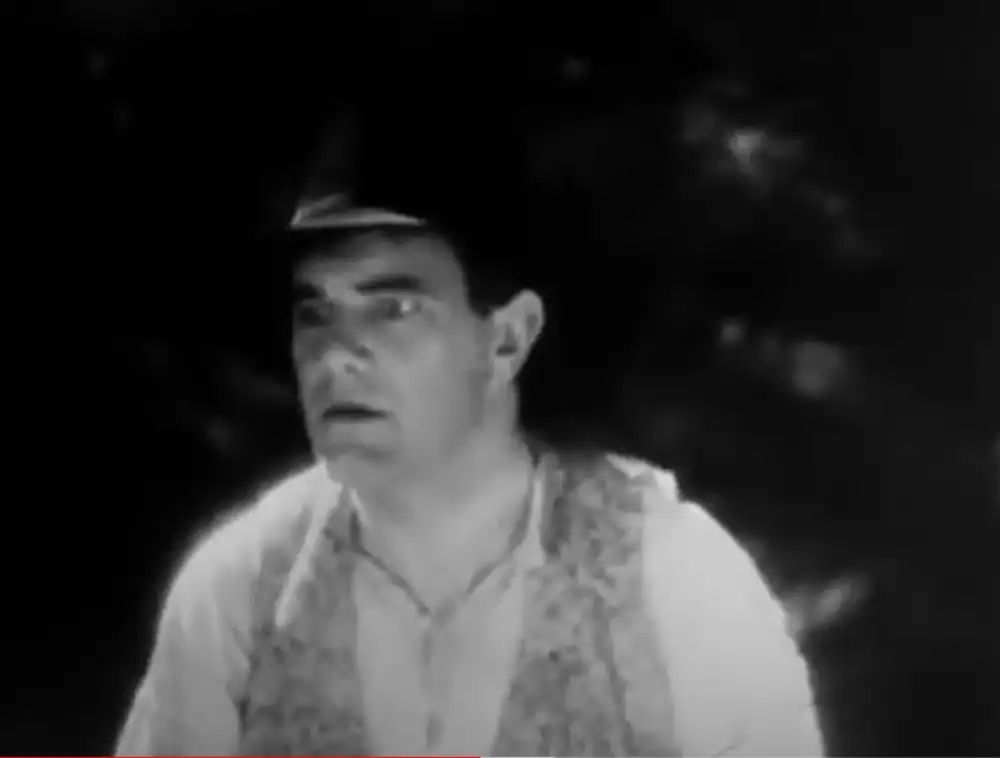
If you’ve seen Rose o' the River, you’ll recognize the 'pastoral' style here. It’s a lot of beautiful nature shots that don’t necessarily move the plot forward but look great on a big screen.
The lighting in the indoor scenes is incredibly dark. Like, 'is my monitor turned off?' dark.
They clearly didn't have the best lighting kits in Brazil in 1929, but it adds to the mood. It feels private, like we’re peeking into someone’s actual house through a dusty window.
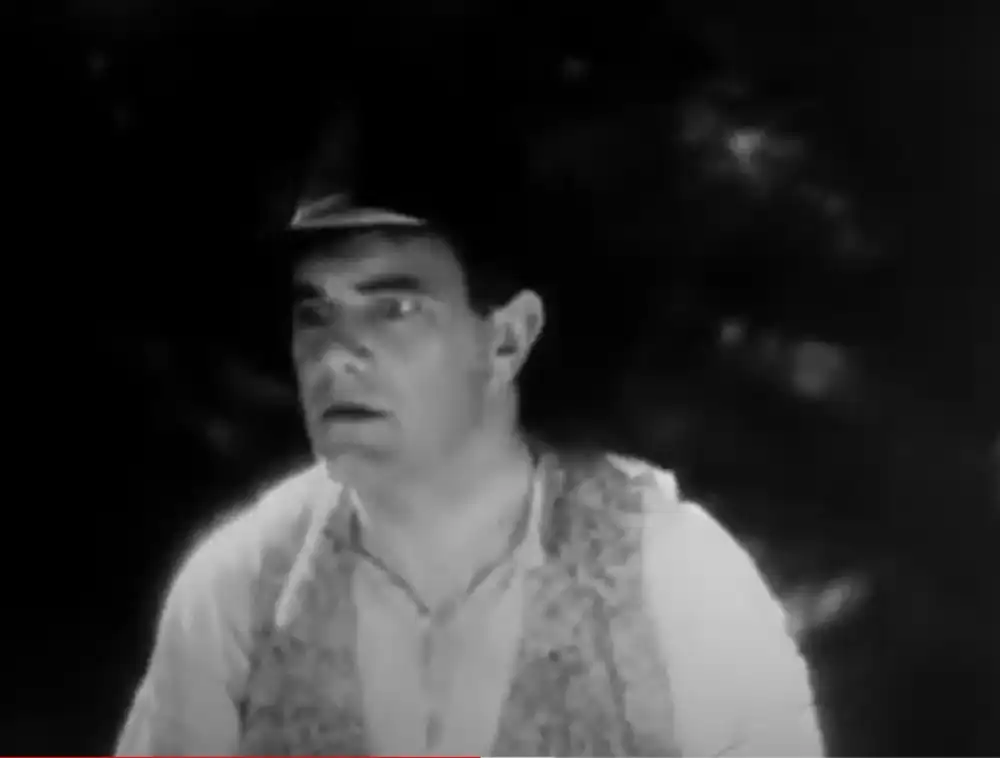
One guy in the movie wears a hat that is definitely two sizes too big for him. Every time he looked down, I was sure it was going to fall off. It never did. 🤠
It’s funny how those little things stick with you more than the 'important' themes.
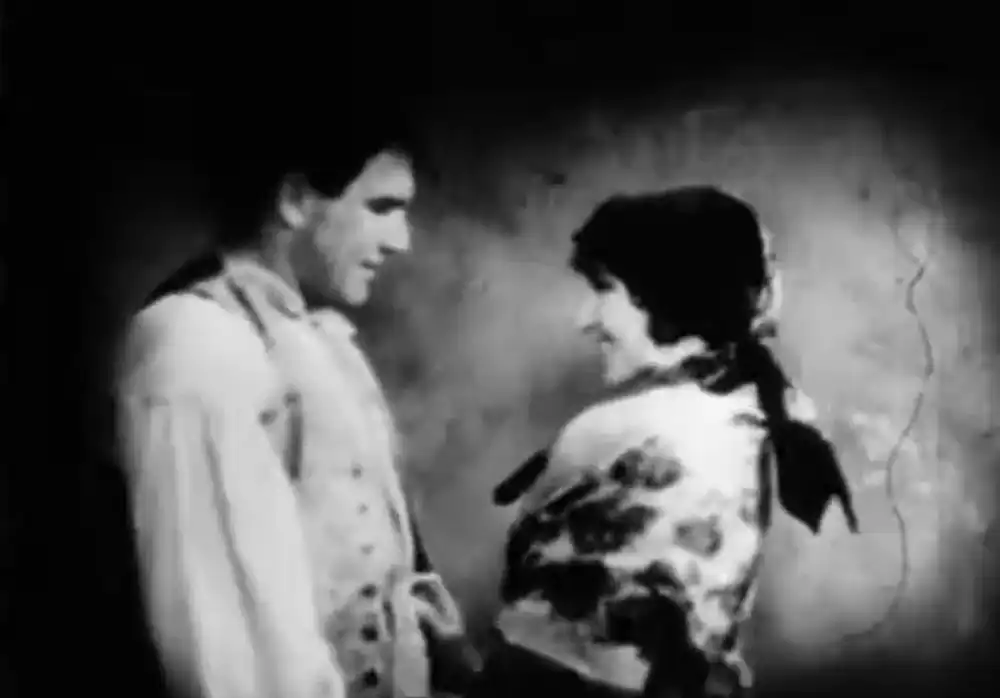
The ending comes out of nowhere. It just sort of stops.
I wasn't sure if the story was over or if the archive just lost the last reel of film. But in a way, it works.
If you want something light and fun like Felix in the Swim, stay far away from this. This is for a rainy Tuesday when you want to feel a little bit sad for no reason.
It’s a mood piece. A very long, very quiet mood piece.
Lia Torá is the reason to stay. Her face is like a map of everything the movie is trying to say about longing and the countryside.
I'm glad I watched it, but I don't think I'll ever need to see it again. Once is enough to capture that 'peasant soul' vibe.
Go find it if you’re tired of modern movies that explain every single emotion. This one just lets you sit in the silence. 🎞️
Also, the music in the version I saw was this repetitive piano track that started to drive me a little crazy by the end. Maybe mute it and put on some lo-fi beats instead.
It’s not a masterpiece, but it’s a real piece of history. And sometimes that’s enough.
IMDb 7
1935
Community
Log in to comment.