DbcultAccessing Vault...
6.2/10
Senior Film Conservator
A definitive 6.2/10 rating for a film that redefined the boundaries of cult cinema. Anna-Liisa remains a cornerstone of transgressive art.
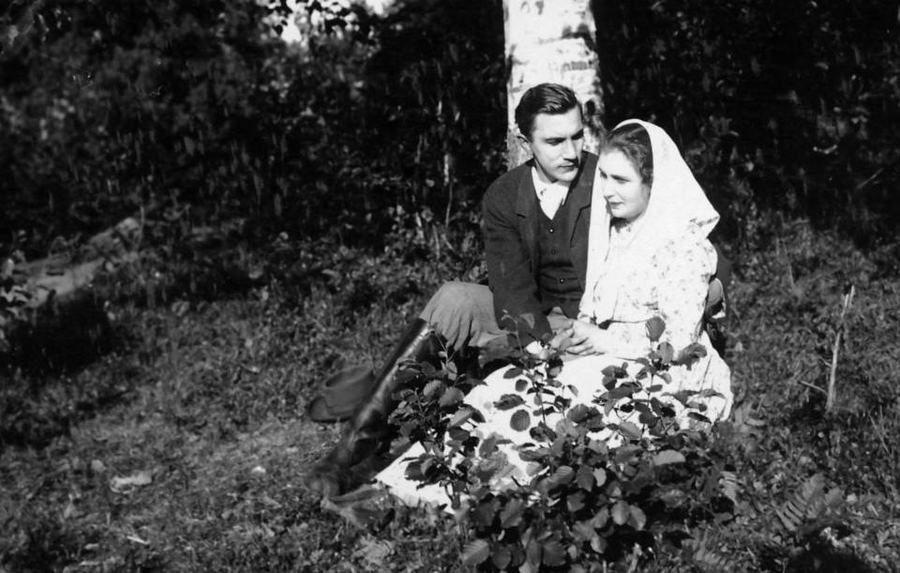
The 1922 adaptation of Anna-Liisa stands as a monolith in the history of Nordic cinema, a stark departure from the whimsical escapism often found in contemporary works like My Lady's Slipper. Directed by Teuvo Puro and Jussi Snellman, this film is a somber, meticulously paced exploration of the human conscience, anchored by a performance from Greta Waahtera that transcends the typical gesticulations of the silent era. It is a work of profound social realism that refuses to blink in the face of tragedy, offering a lens into the soul of a woman trapped between the anvil of tradition and the hammer of her own memory.
The film opens with an air of deceptive tranquility. The Kortesuo farmstead is a place of order, where the rhythms of labor and the expectations of the church dictate the flow of life. Unlike the rugged, adventurous spirit found in Colorado Pluck, the world of Anna-Liisa is insular and claustrophobic. The cinematography by Eino Kari captures the Finnish countryside not as a postcard, but as a silent witness to the protagonist's inner turmoil. The light often feels thin, as if the sun itself is reluctant to illuminate the dark corners of the Kortesuo home.
Anna-Liisa’s engagement to Johannes should be the crowning achievement of her young life. However, Waahtera portrays her with a haunting stillness. There is a specific cadence to her movements—a hesitation in her step and a hollowness in her gaze—that suggests a person already living in a state of purgatory. While films like Lena Rivers deal with the trials of virtuous heroines, Anna-Liisa subverts this by presenting us with a protagonist who has already 'fallen' in the eyes of her society, yet remains the moral center of the story.
At the heart of the narrative is the revelation of Anna-Liisa’s past relationship with Mikko, a farmhand whose return triggers the film’s central crisis. The film handles the theme of infanticide with a gravity that was remarkably bold for its time. Unlike the sentimentalized depictions of motherhood found in The Mother Instinct or the orphan tropes of The Little Orphan, Anna-Liisa interrogates the social circumstances that drive a woman to such an extreme. The film suggests that the crime is not just the individual’s, but a collective failure of a society that offers no path for the 'disgraced' woman other than total social death.
Mikko’s return is not merely a plot device; it is a manifestation of the past refusing to stay buried. The tension between Anna-Liisa and Mikko is palpable, a sharp contrast to the gentle, almost naive affection of Johannes. Here, the film touches on the predatory nature of those who use secrets as currency, a theme explored with less nuance in Business Is Business. Mikko represents the opportunistic cruelty of the world, while Anna-Liisa represents the agonizing path toward spiritual integrity.
The pacing of the 1922 version is deliberate, allowing the psychological pressure to build until it becomes nearly unbearable. The directors utilize the limited technology of the time to create a sense of impending doom. The use of close-ups is particularly effective; Waahtera’s face becomes a map of shifting emotions—fear, resolve, and eventually, a terrifying kind of peace. While the avant-garde experiments of Rhythmus 21 were exploring the abstract limits of the medium, Puro and Snellman were refining the power of the human countenance to tell a story of immense complexity.
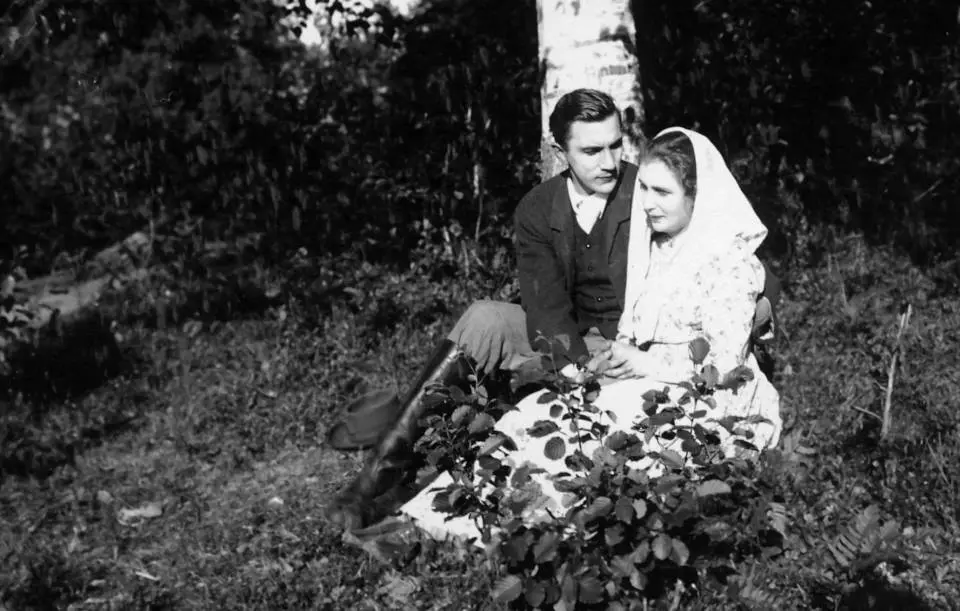
The secondary characters, particularly the parents, add layers of social commentary. The mother’s obsession with reputation and the father’s rigid adherence to honor create the very walls that imprison their daughter. This familial dynamic is far more caustic than the ones seen in The Babes in the Woods. In Anna-Liisa, the family is both a sanctuary and a panopticon, where love is conditional upon the maintenance of a lie.
The climax of the film—the engagement party—is a masterclass in tension. As the guests gather, the atmosphere is thick with irony. We see the festive preparations through Anna-Liisa’s eyes, and they appear grotesque, a mockery of the truth. This sequence rivals the emotional intensity of Kampen om barnet in its depiction of the stakes involved in a woman's claim over her own narrative.
When Anna-Liisa finally speaks her truth, the film shifts from a melodrama into a profound philosophical inquiry. Her confession is not a plea for mercy; it is a demand for reality. In a society built on the sanctity of appearances, her honesty is the ultimate transgression. The reactions of the guests—a mixture of horror, disbelief, and judgmental fury—serve as a scathing indictment of the community's hypocrisy. It is a moment of pure, unadulterated cinema that leaves the viewer questioning the very nature of justice.
To understand the impact of Anna-Liisa, one must acknowledge the source material by Minna Canth. Canth was a radical voice in Finnish literature, a champion of women's rights and social justice. The 1922 film remains perhaps the most faithful translation of her spirit to the screen. While other films of the era, such as Passers By or Casus, might have offered more traditional narrative arcs, Anna-Liisa remains a challenging piece of art precisely because it offers no easy resolutions. There is no last-minute rescue, no convenient plot twist like those found in Under Crimson Skies.
The film also predates the more polished but perhaps less raw explorations of guilt in later cinema. It shares a certain DNA with The Iron Hand in its depiction of the inescapable nature of one's actions, yet it feels more intimate, more grounded in the specific soil of the Finnish experience. Even when compared to the lighter thematic fare of Money Isn't Everything or the comedic relief of Trouble, Anna-Liisa demands a different kind of engagement—a willingness to look into the abyss and acknowledge what looks back.
Anna-Liisa is a film that lingers long after the final frame has faded. It is a testament to the power of silent cinema to communicate complex psychological states without the aid of dialogue. The collaborative effort between the cast—including the formidable Hemmo Kallio and Meri Roini—and the directors resulted in a work that feels startlingly modern in its empathy. It is a story about the cost of living a lie and the devastating, yet liberating, price of the truth.
In the pantheon of early 20th-century film, this production serves as a reminder that the most profound dramas are often the ones that take place in the quietest rooms and the most troubled hearts. It is a harrowing journey, yes, but it is also a necessary one, offering a glimpse into a woman's struggle for agency in a world designed to deny her even that. For those willing to brave its emotional depths, Anna-Liisa remains an essential, haunting, and ultimately transcendent experience.

IMDb —
1918
Community
Log in to comment.