DbcultAccessing Vault...
7/10
Senior Film Conservator
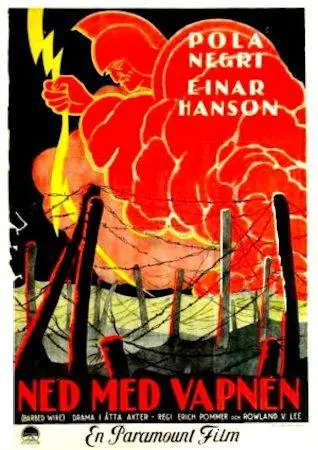
A definitive 7/10 rating for a film that redefined the boundaries of cult cinema. Barbed Wire remains a cornerstone of transgressive art.
Is Barbed Wire a dusty relic of the silent era or a searing, relevant indictment of human tribalism? Short answer: It is a remarkably modern piece of storytelling that prioritizes emotional intelligence over wartime spectacle. This film is for viewers who crave psychological depth and are willing to engage with the slow-burn intensity of silent-era acting; it is not for those seeking the explosive, high-octane battle sequences typical of modern war cinema.
1) This film works because it successfully humanizes the 'other' without relying on cheap sentimentality, using the physical environment to mirror the characters' internal entrapment.
2) This film fails because the third-act pacing occasionally yields to the melodramatic conventions of its time, momentarily breaking the gritty realism established in the opening.
3) You should watch it if you want to see a masterclass in visual storytelling and a performance by Pola Negri that ditches the 'vamp' persona for something much more grounded and heartbreaking.
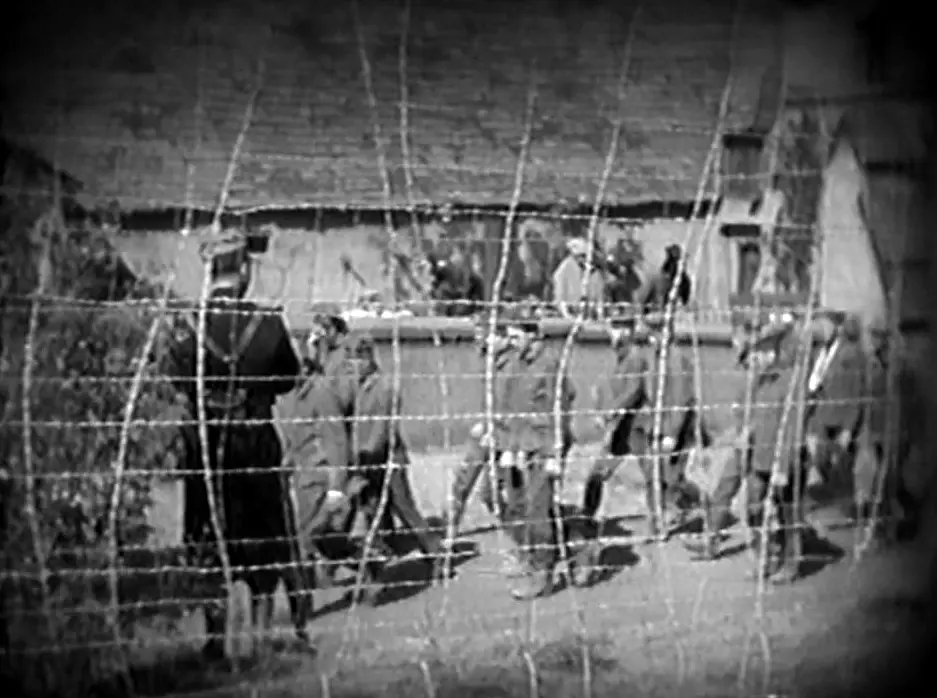
For years, Pola Negri was pigeonholed as the exotic temptress, a caricature of early Hollywood glamour. In Barbed Wire, she shatters that mold. There is a specific scene where she stands by the fence, her hands gripping the wire, watching the German prisoners. Her face doesn't just show curiosity; it shows a painful, slow-motion realization that the monsters she was promised are just tired, broken men. It is a quiet moment, but Negri’s eyes do more work than a ten-page monologue in a modern talkie.
Her chemistry with Clive Brook, who plays Oskar, is built on restraint. They don't fall in love through grand gestures. They fall in love through shared labor and the mutual recognition of their shared suffering. Brook plays Oskar with a weary dignity that contrasts sharply with the frantic, often hysterical energy of the French villagers. This contrast is the film's heartbeat. It makes the central romance feel like an act of rebellion rather than a plot convenience.
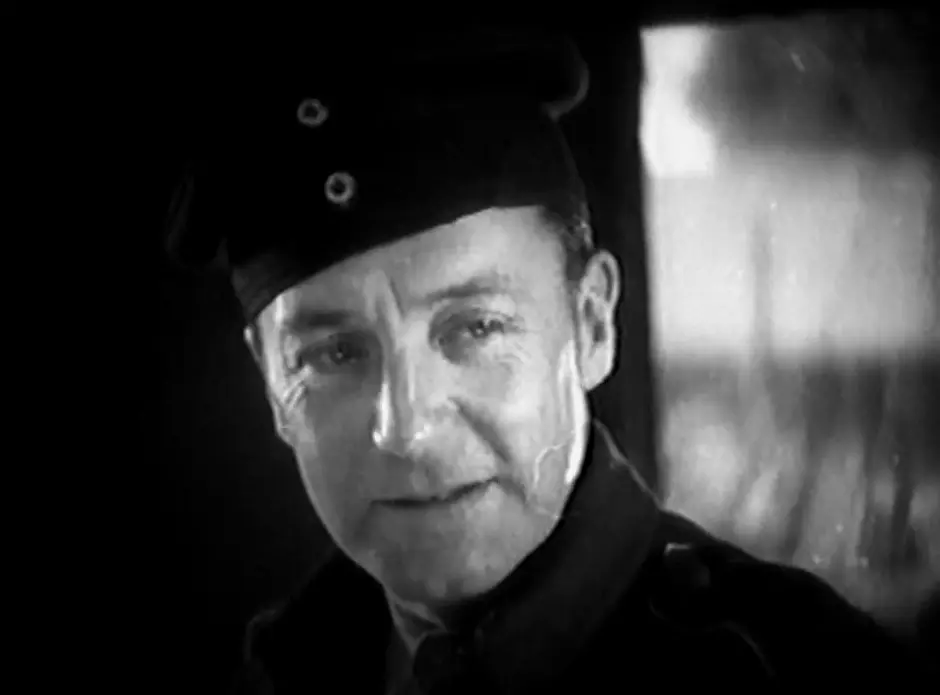
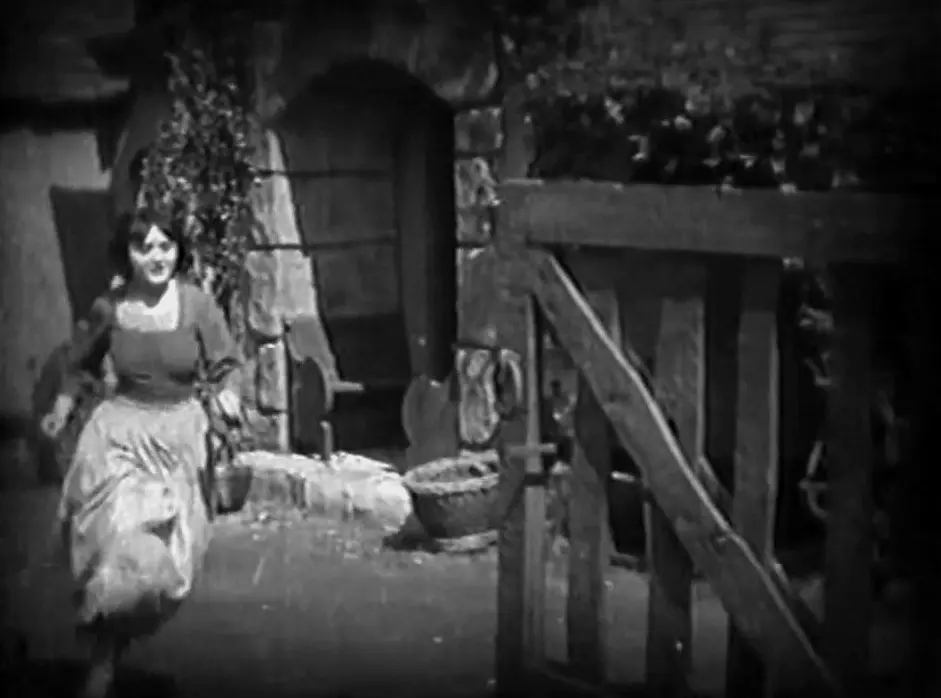
Rowland V. Lee’s direction is surprisingly disciplined. While other films of the period, like the epic J'accuse!, focused on the grand scale of death and ghostly apparitions, Lee keeps his camera focused on the farm. The farm becomes a microcosm of the world. By limiting the scope, Lee magnifies the stakes. When the villagers turn on Mona, the farm feels smaller, more dangerous, and more suffocating than any trench.
The cinematography by Bert Glennon utilizes high-contrast lighting to emphasize the 'barbed wire' motif. Shadows of the fence frequently crisscross the characters' faces, reminding the audience that even in their private moments, they are never truly free from the war's shadow. This isn't just 'pretty' camerawork; it is narrative lighting. It tells us that the war has stained everything, even the sunlight hitting the kitchen floor.
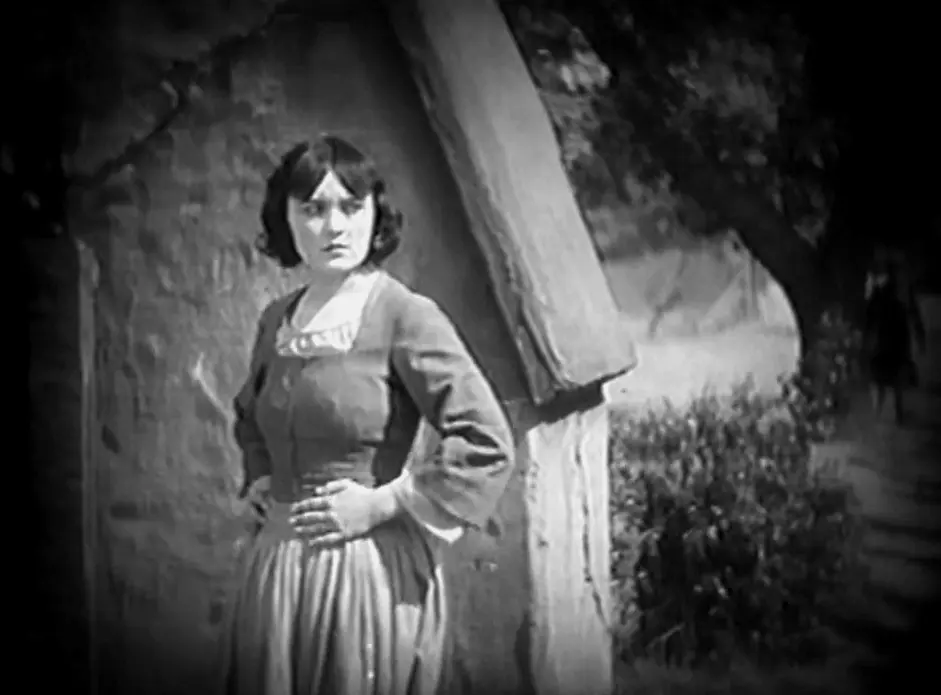
The most disturbing element of Barbed Wire isn't the German 'enemy,' but the French neighbors. The film takes a hard stance against the mindless vitriol of nationalism. There is a sequence where the villagers gather, their faces twisted in a grotesque mimicry of justice, ready to condemn Mona for her kindness. It’s a brutal observation of how quickly a community can turn into a pack of wolves. This remains the film’s most provocative stance.
It suggests that the real 'barbed wire' isn't the one keeping the prisoners in, but the one keeping the 'patriots' from seeing the humanity in others. This is a bold, debatable opinion even today. Some might argue the film is too sympathetic to the German side given the historical context of 1927, but that is precisely what gives the film its teeth. It refuses to play it safe. It chooses empathy over easy patriotism.
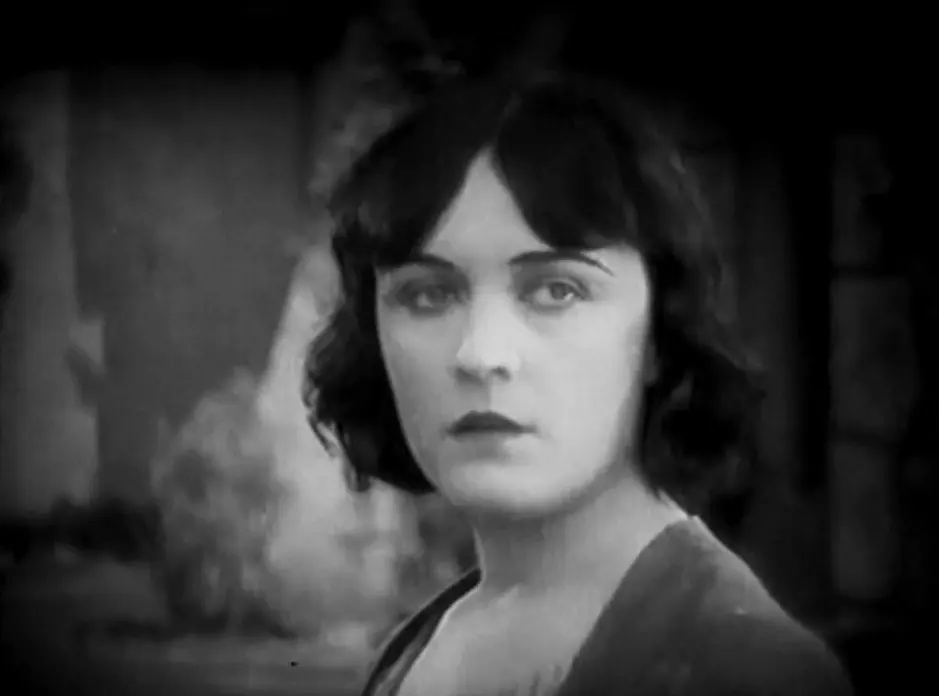
The film’s pacing is generally excellent, though it does hit a few snags in the middle. The transition from Mona’s initial hostility to her eventual love for Oskar happens a bit too rapidly for modern sensibilities. However, the screenplay by Jules Furthman—who would go on to write some of the sharpest dialogue in Hollywood history—ensures that the emotional beats feel earned. He avoids the fluff found in films like The Country Heir, opting instead for a narrative that feels lean and purposeful.
The inclusion of the blind brother, played by Einar Hanson, adds a layer of tragic irony to the story. His return to the farm is handled with a devastating lack of fanfare. There are no swelling orchestras or dramatic fainting spells. Just the quiet, heavy realization of what has been lost. It’s a somber touch that grounds the romance in the reality of the era’s casualties.
Yes, Barbed Wire is absolutely worth watching because it transcends its era to deliver a message that remains painfully relevant in a polarized world. It is a rare silent film that feels intimate rather than performative. The central conflict isn't about who wins the war, but who retains their soul during it. If you value cinema as a tool for empathy, this is essential viewing.
Barbed Wire is a minor miracle of 1920s cinema. It manages to be both a product of its time and a timeless warning against the dangers of dehumanizing the 'other.' While it lacks the sheer scale of J'accuse! or the surrealist edge of Alraune, it compensates with a raw, focused intimacy. It is a film that asks hard questions and refuses to give easy answers. It works. But it’s flawed. And in its flaws, it finds a very human kind of beauty. This is a mandatory watch for any serious student of film history.
IMDb 5.9
1934
Community
Log in to comment.