DbcultAccessing Vault...
Cult Review
Senior Film Conservator
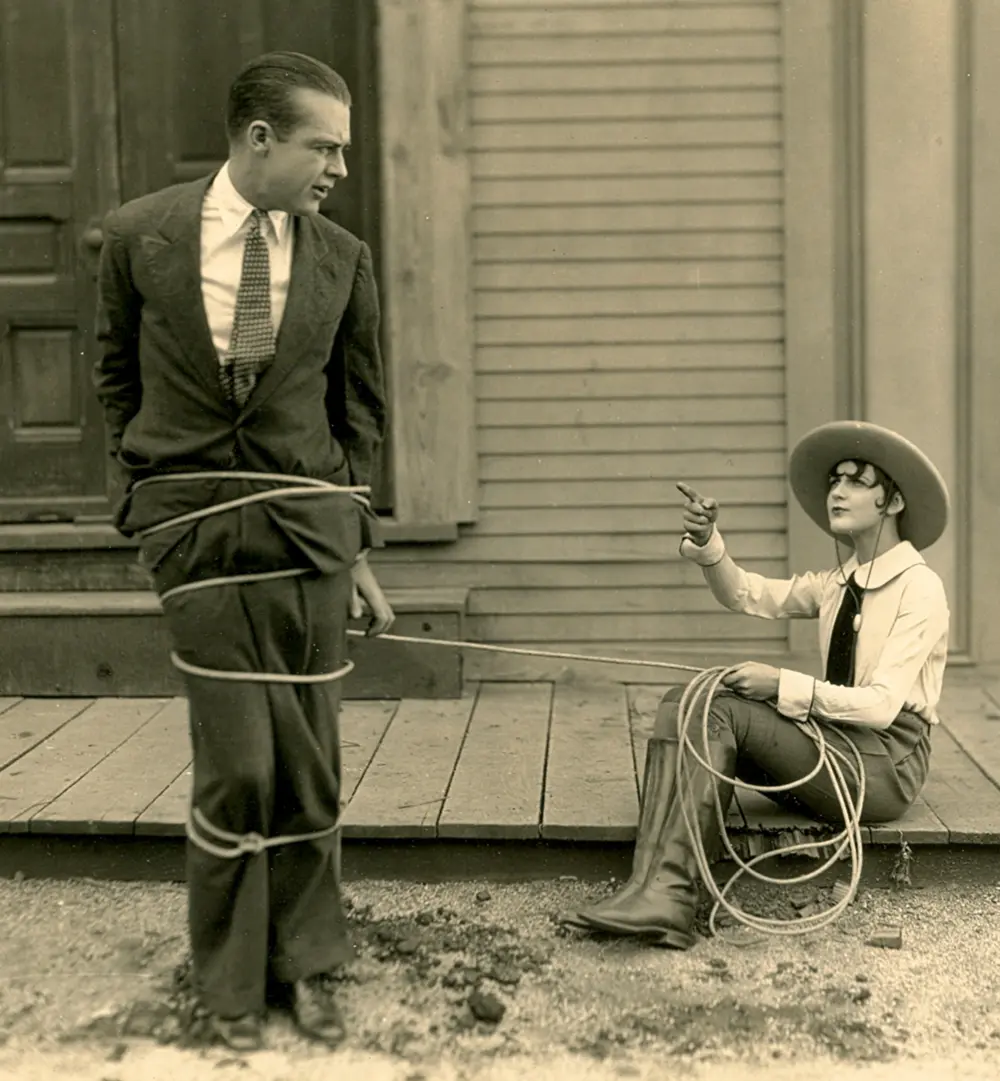
Is Big Business (1926) worth your time in the modern era? Short answer: yes, but only if you view it as a historical artifact of comedic timing rather than a narrative powerhouse. This film is for the silent cinema completist and those fascinated by the 'Jazz Age' office culture; it is not for viewers who require a complex emotional arc or high-fidelity production values.
1) This film works because of the incredible physical synergy between Harold Austin and the supporting cast, creating a rhythmic chaos that feels surprisingly modern in its pacing.
2) This film fails because the thinness of the plot makes the twenty-minute runtime feel repetitive by the final act, lacking the narrative 'hook' found in longer features of the time.
3) You should watch it if you want to see how 1920s cinema satirized the burgeoning American obsession with corporate status and 'making it big'.
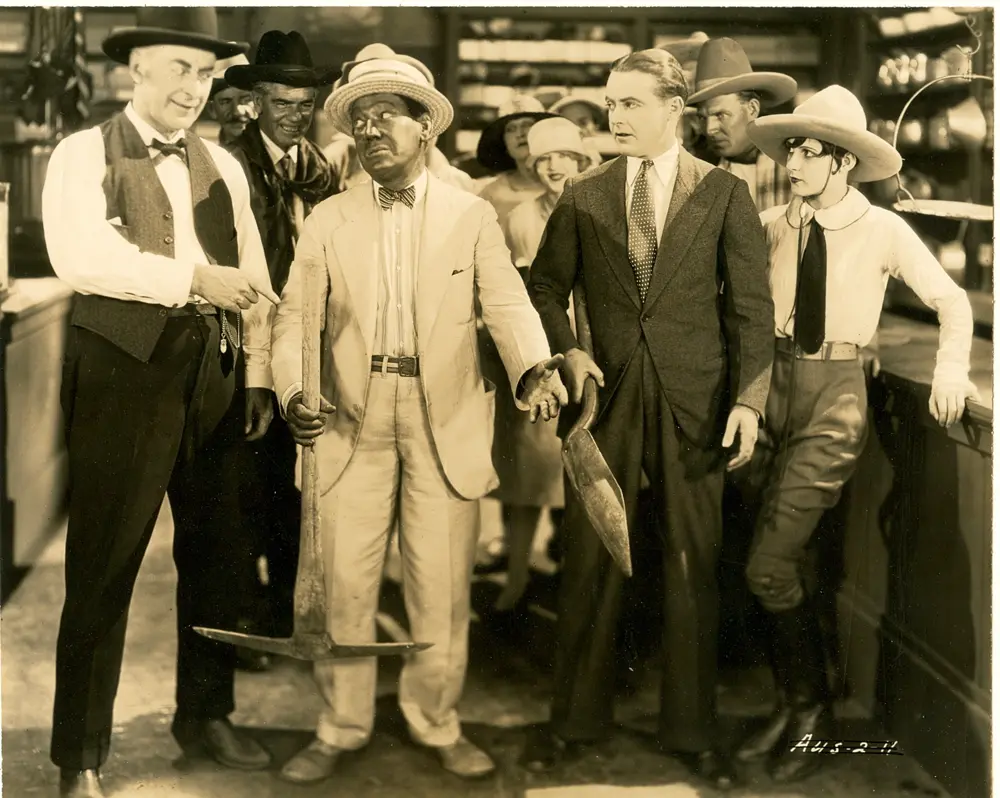
In 1926, the American office was a new frontier for comedy. Unlike the pastoral settings of earlier shorts or the domestic drama found in Discontented Husbands, Big Business takes the burgeoning world of white-collar work and tears it apart. Harold Austin plays the protagonist with a frantic, almost desperate energy. He isn't just a man looking for a job; he is a man possessed by the 'National Rash' of ambition, a theme explored in different contexts in films like The National Rash.
One specific scene involving a mountain of paperwork and a poorly timed fan stands out. It’s not just about the mess; it’s about the loss of dignity. Austin’s facial expressions during this sequence—a mix of terror and forced professionalism—perfectly encapsulate the anxiety of the 1920s employee. The office furniture itself becomes an antagonist. Desks are traps, chairs are unstable, and the hierarchy is a minefield. It works. But it’s flawed. The reliance on physical tropes can sometimes feel like a retread of better-known works by Lloyd or Keaton.
Sally Phipps provides more than just a romantic goalpost. In an era where female characters were often relegated to being the 'Girl at Bay' (see A Girl at Bay), Phipps brings a certain sparkle to her limited screen time. Her chemistry with Austin is the only thing that grounds the film’s absurdity. When they share a moment amidst the corporate rubble, you actually root for them, which is a testament to their screen presence given the lack of spoken dialogue.
Compare her performance here to the more somber tones of Wild Primrose or the social weight of Hypocrites. In Big Business, the stakes are lighter, but the energy is higher. Phipps represents the 'reward' for corporate survival, a trope that was beginning to solidify in American consciousness. However, the film doesn't give her enough to do beyond reacting to Austin’s blunders. This is a common pitfall of the period, but it remains a missed opportunity for a more balanced dynamic.
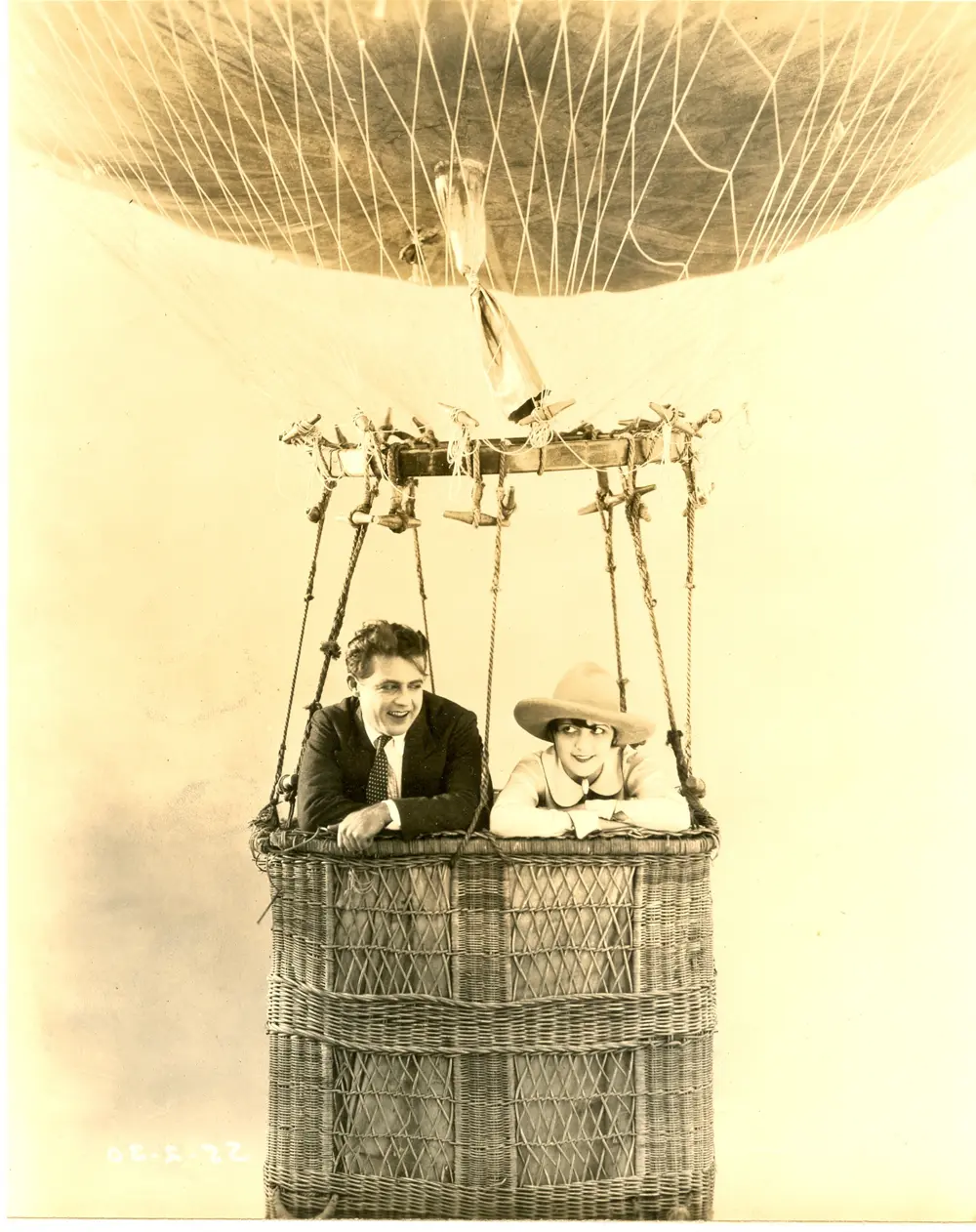
Technically, the film is a product of its time, but that’s not a slight. The lighting is flat, designed to capture every movement in the wide-angle shots required for slapstick. However, the editing is surprisingly sharp. The transition from the calm of the street to the madness of the interior office is handled with a jarring speed that mirrors the protagonist's internal state. It lacks the avant-garde experimentation of Kino Pravda No. 16, but it understands its audience perfectly.
The use of depth in the office set is worth noting. While many shorts of this era felt like filmed stage plays, Big Business uses the background to great effect. While Austin is struggling in the foreground, you can see the secondary chaos of the other clerks, creating a sense of a living, breathing, and dysfunctional world. It’s a level of detail that elevates it above something like Home Brew, which feels much more contained and static.
If you are looking for a quick, energetic burst of 1920s humor, Big Business (1926) is a solid choice. It provides a fascinating look at the early days of the American 'office comedy' genre. While it doesn't have the emotional depth of After the Ball or the mystery of The Carter Case, it succeeds in its primary goal: making the audience laugh at the absurdity of the daily grind. It is a loud, silent film that screams for attention.
Pros:
Cons:
To truly appreciate Big Business, one must understand the era’s obsession with 'hustle.' Long before modern influencers, the 1920s were obsessed with the self-made man. This film takes that ideal and puts it through a meat grinder. It’s almost a precursor to the cynical takes on corporate life we see in later decades, though it masks its critique with falling over and funny faces. In a way, it’s a more honest look at the 'American Dream' than some of the more serious films of the era, like Hush Money or Open Your Eyes.
The joke lands. The plot doesn't. But in the world of silent comedy, the joke is often enough. There is a brutal simplicity to the way Austin fails. He isn't undone by a villain, but by his own frantic need to be seen as important. This is an unconventional observation for a slapstick short: it’s actually a character study of insecurity hidden behind a series of pratfalls. The office furniture feels like a character itself, a wooden antagonist to Austin’s frantic ambition. It’s a battle of man versus desk, and the desk usually wins.
Big Business (1926) is a minor but fascinating entry in the silent comedy canon. It doesn't have the epic scale of The Isle of Lost Ships or the claustrophobic tension of Danger Within, but it doesn't need to. It is a focused, high-energy piece of entertainment that captures a specific moment in time. If you can look past the dated social cues and the repetitive nature of the gags, you’ll find a film that is surprisingly relatable to anyone who has ever felt overwhelmed by their own career aspirations. It’s clunky, it’s loud for a silent film, and it’s undeniably charming. Final Grade: B-
IMDb 5.6
1926
Community
Log in to comment.