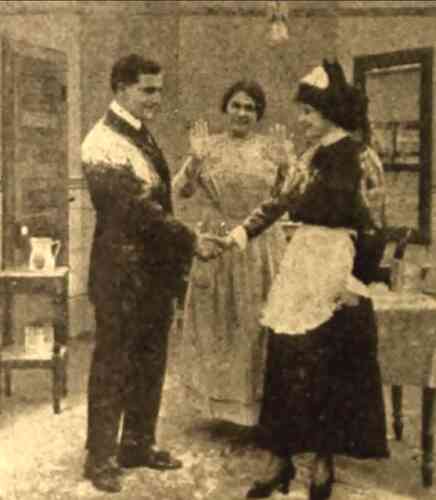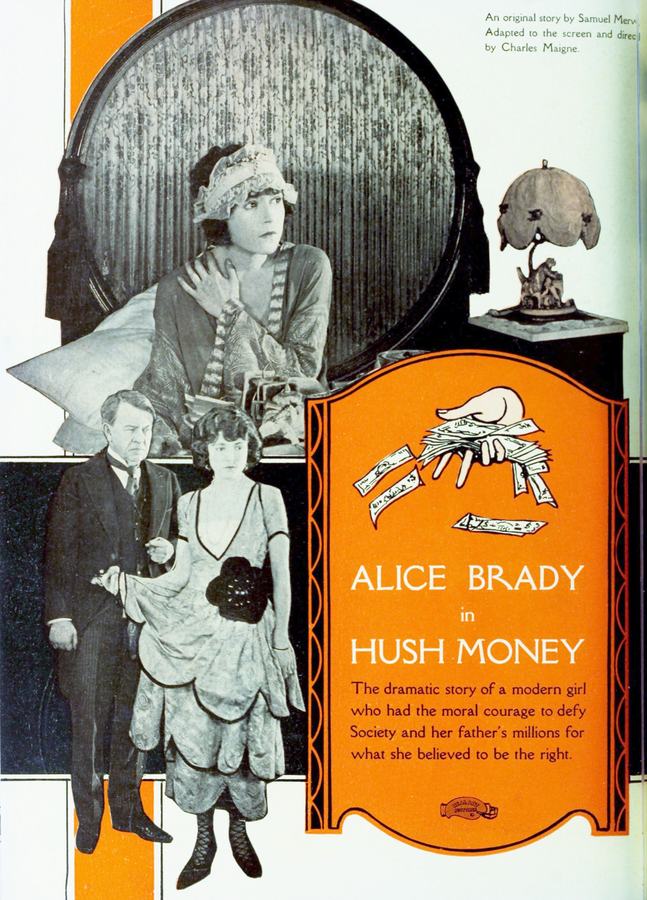
The only daughter of wealthy Wall Street banker, Evelyn Murray, while with her aristocratic fiancé, Bert Van Vliet, runs down and injures newsboy Terry McGuire. To avoid an embarrassing outcome, Bert persuades her to flee the scene of the accident.
Hush Money is not merely a 1920s silent film—it is a searing indictment of the moral bankruptcy that often accompanies wealth. Directed with a deft hand by Samuel Merwin and Charles Maigne, the film weaves a narrative that feels disturbingly relevant to modern audiences. At its core, Hush Money dissects the collision b...
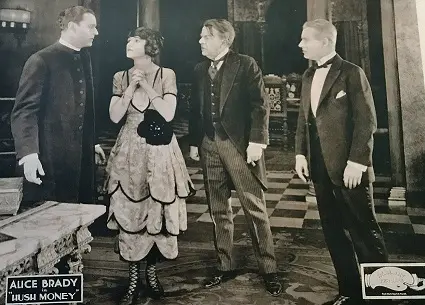
publicity
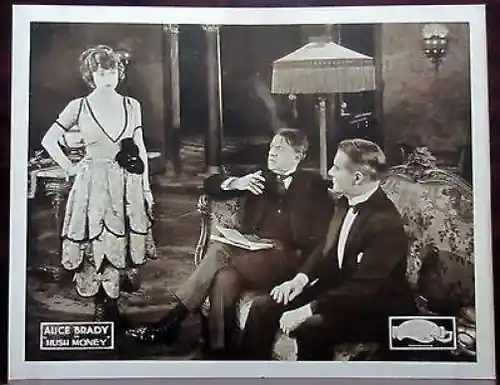
production_art
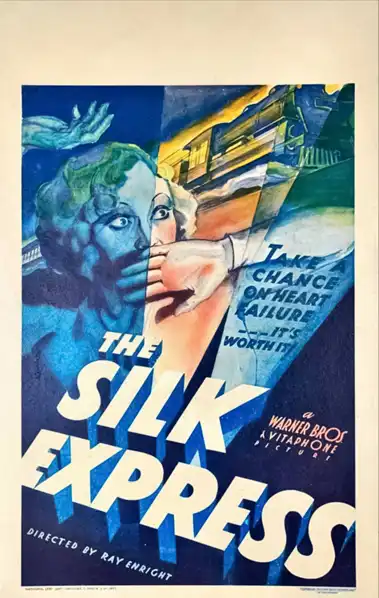
Comparing the cinematic DNA and archive impact of two defining moments in cult history.
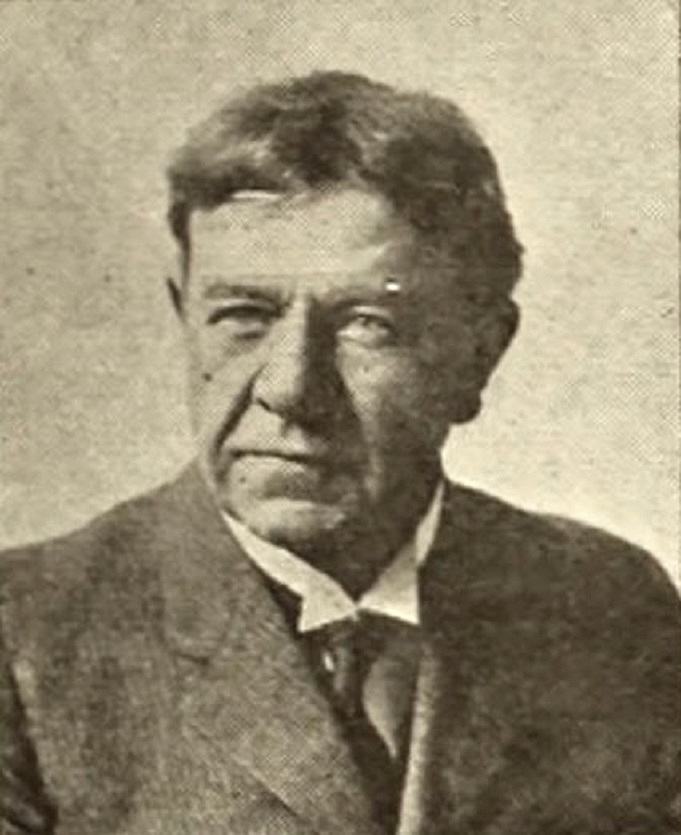
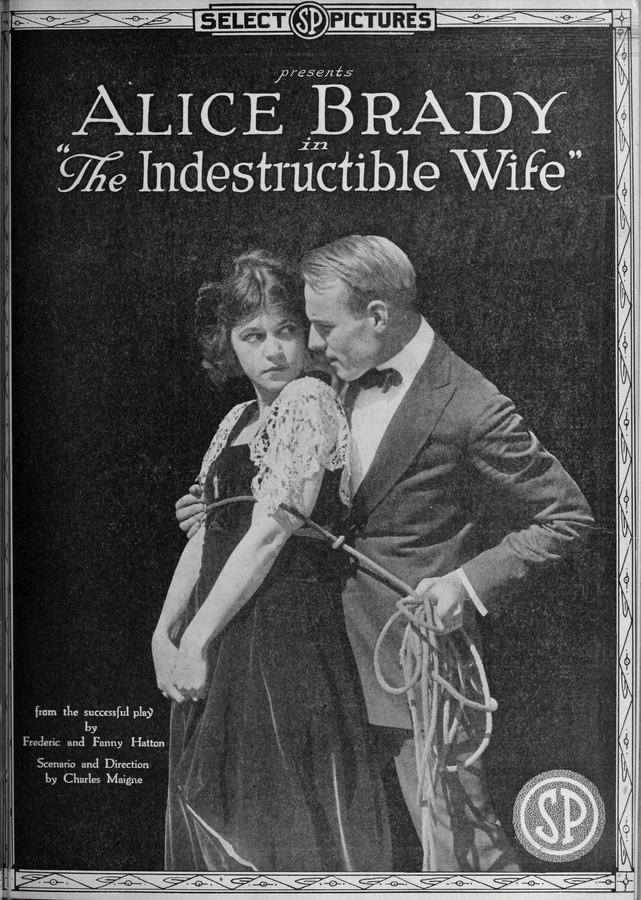
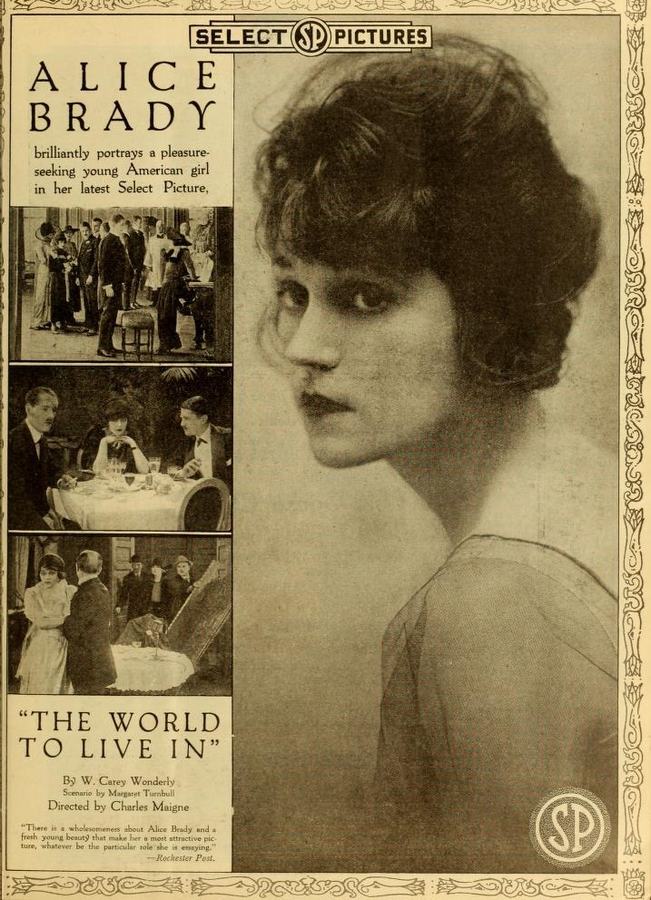
Charles Maigne
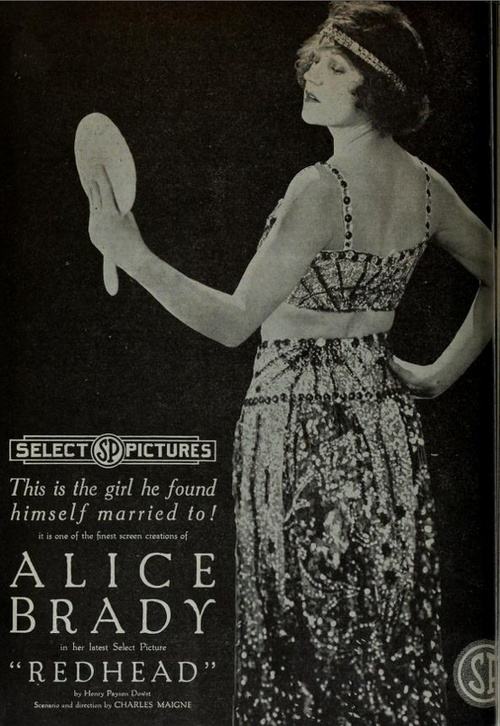
Charles Maigne
Community
Log in to comment.
"Hush Money is not merely a 1920s silent film—it is a searing indictment of the moral bankruptcy that often accompanies wealth. Directed with a deft hand by Samuel Merwin and Charles Maigne, the film weaves a narrative that feels disturbingly relevant to modern audiences. At its core, Hush Money dissects the collision between privilege and accountability, using the tragic accident involving Evelyn Murray as a microcosm of systemic corruption. The film’s pacing is deliberate, allowing its themes t..."
Samuel Merwin, Charles Maigne
United States